Food-related phobias are more than just quirky dislikes; they’re real psychological conditions that can affect every part of an individual’s life. Some of these fears are so strange that they seem almost fictional, but for those who experience them, they are a daily struggle. Imagine fearing something as simple as a dinner conversation or even a dish as common as peanut butter.
These fears can limit your social life, wreck your mental health, and even lead to serious physical consequences. If you think food phobias are just odd, think again; these irrational fears can have serious, far-reaching effects.
Orthorexia: When Healthy Eating Turns Into a Prison

At first glance, orthorexia might sound like a well-intentioned commitment to eating clean. However, the pursuit of “pure” food becomes an obsession, leading to dangerous extremes. People with this fear of “impure” foods will only consume what they consider 100% healthy, but this obsessive behavior quickly escalates into a debilitating lifestyle.
The consequences? Nutritional imbalances, extreme stress, social isolation, and an unyielding need to control every aspect of one’s diet. What started as a quest for wellness spirals into an unhealthy fixation that harms both body and mind. This obsession turns food into something to fear rather than enjoy.
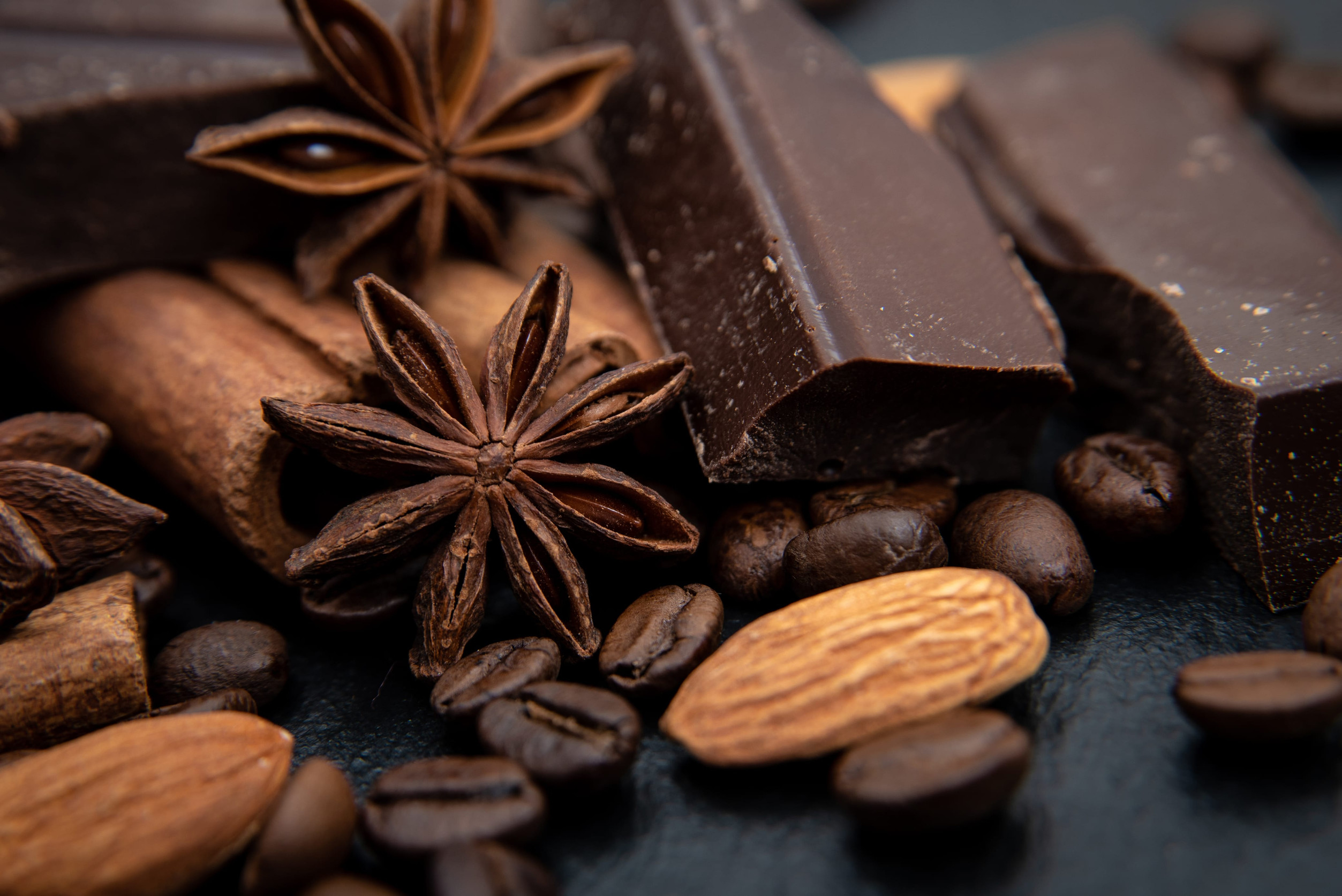
Xocolatophobia: The Unlikely Fear That Could Be Turning You Against Chocolate
Chocolate is one of the world’s most beloved foods, but for some, it’s a trigger for something far darker: xocolatophobia, or the fear of chocolate. Whether it’s linked to guilt over indulgence or an irrational belief that chocolate is inherently bad, this phobia can transform chocolate from a treat to a terrifying substance.
The fear of chocolate can manifest in both physical and emotional reactions, ranging from nausea to full-blown panic attacks. What seems like a simple dislike can quickly evolve into a severe restriction that impacts the person’s overall relationship with food, causing unnecessary stress and frustration.
Phagophobia: The Danger of Fearful Swallowing
Eating and swallowing food should be second nature, but for people with phagophobia, it’s a terrifying prospect. The fear of swallowing food, liquids, or pills can drastically alter a person’s life.
This phobia often stems from a fear of choking, but over time, it can become a debilitating condition that prevents individuals from eating normally.
The consequences? Nutritional deficiencies, weight loss, and even dehydration. For those with phagophobia, meals become a battlefield, and simple tasks like taking medication or drinking water can feel impossible.
Oenophobia: A Social Nightmare You Didn’t Know Could Be Linked to Wine

Wine isn’t just a beverage for many; it’s an integral part of social gatherings, from dinners to parties. But for those suffering from oenophobia, the fear of wine every bottle, every glass, and every wine-soaked event becomes an exercise in dread.
This fear doesn’t just make dining out uncomfortable; it can isolate individuals from cultural norms and social gatherings where wine is a focal point.
Whether triggered by past negative experiences or an intense aversion to alcohol, the fear of wine can cause unnecessary anxiety and avoidance, cutting people off from experiences they once enjoyed.
Arachibutyrophobia: The Peanut Butter Fear That’s Worse Than You Think
For many, peanut butter is the ultimate comfort food spread on toast, slathered on a sandwich, or even eaten by the spoonful. But for those with arachibutyrophobia, the idea of peanut butter sticking to the roof of their mouth is a nightmare. This odd fear isn’t just inconvenient; it’s limiting.
People who avoid peanut butter often miss out on foods central to many cultures and traditions. A seemingly harmless texture turns into a fear that restricts their diet and isolates them from others who view peanut butter as a staple snack. Over time, it leads to a shrinking food repertoire and unnecessary anxiety at meal times.
Lachanophobia: The Hidden Danger of Avoiding Vegetables
Imagine a life where the very idea of vegetables sends you into a spiral of anxiety. Lachanophobia, the fear of vegetables, might seem trivial to some, but it’s far from harmless. For those who suffer from this phobia, the mere sight of broccoli or spinach can trigger panic attacks.
This fear can lead to severe nutritional deficiencies over time, as vegetables are packed with vital nutrients. A diet lacking these essential foods puts individuals at risk of a host of health issues, from weakened immune systems to digestive problems. What seems like a preference for non-vegetable foods becomes a silent killer in the long term.
Cibophobia: The Destructive Fear of Food Itself
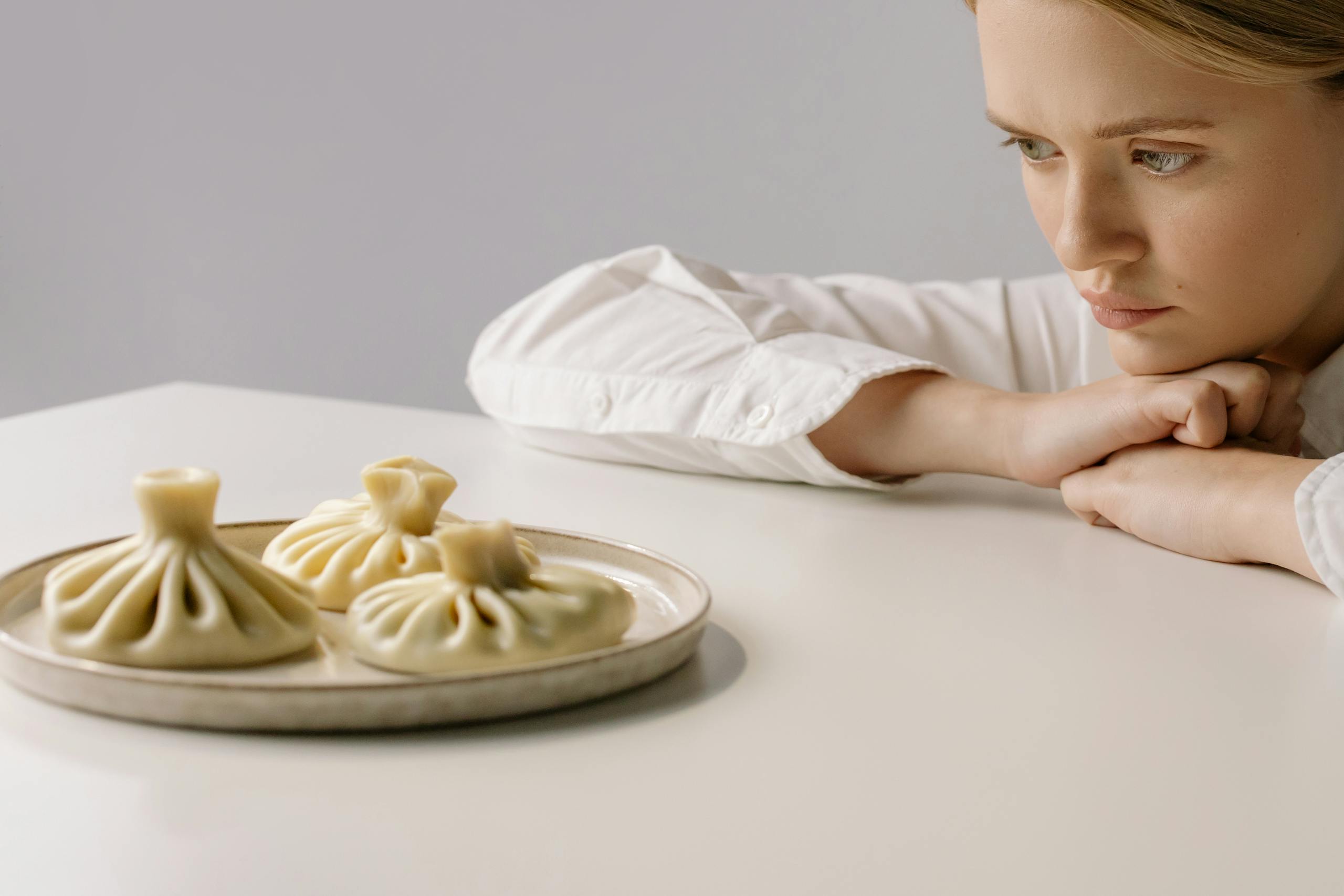
Cibophobia, or the fear of food, is one of the most extreme and destructive food-related phobias. The very act of eating, something most of us do without thinking, becomes an overwhelming challenge for those with cibophobia.
This fear can stem from a traumatic experience, psychological issues, or even health-related concerns that spiral out of control. People with cibophobia will often starve themselves, avoid social gatherings, and suffer from severe anxiety about food. The impact goes beyond just physical health; it’s a mental and emotional battle that creates isolation and fear around every meal.
Mageirocophobia: The Fear That Keeps You from Your Own Kitchen
What happens when cooking becomes a terrifying endeavor rather than a joyful one? Mageirocophobia, or the fear of cooking, isn’t just about messing up a recipe.
It’s about the crippling anxiety that overwhelms an individual every time they step into the kitchen. The pressure to prepare something “perfect” can turn a meal into an ordeal, preventing people from cooking at home.
This fear can lead to unhealthy eating habits, reliance on fast food, and a loss of control over one’s diet. What should be a simple, everyday task becomes a daunting, stressful experience, leading to dependence on others or on pre-packaged meals.
Ichthyophobia: The Fear of Fish That Limits Your Health
Fish is often touted as one of the healthiest foods on the planet, loaded with omega-3s and essential nutrients. But for those suffering from ichthyophobia, fish represent nothing but terror. The sight, smell, or thought of fish can trigger intense fear and anxiety.
This phobia often leads people to avoid entire food groups, missing out on the benefits of lean protein and healthy fats. What’s worse, it can alienate them from social situations where fish is served, creating discomfort and isolation. The simple act of eating fish becomes an insurmountable obstacle, and it may even lead to a refusal to eat anything that even remotely resembles fish.
Deipnophobia: The Social Isolation Caused by Dinner Anxiety
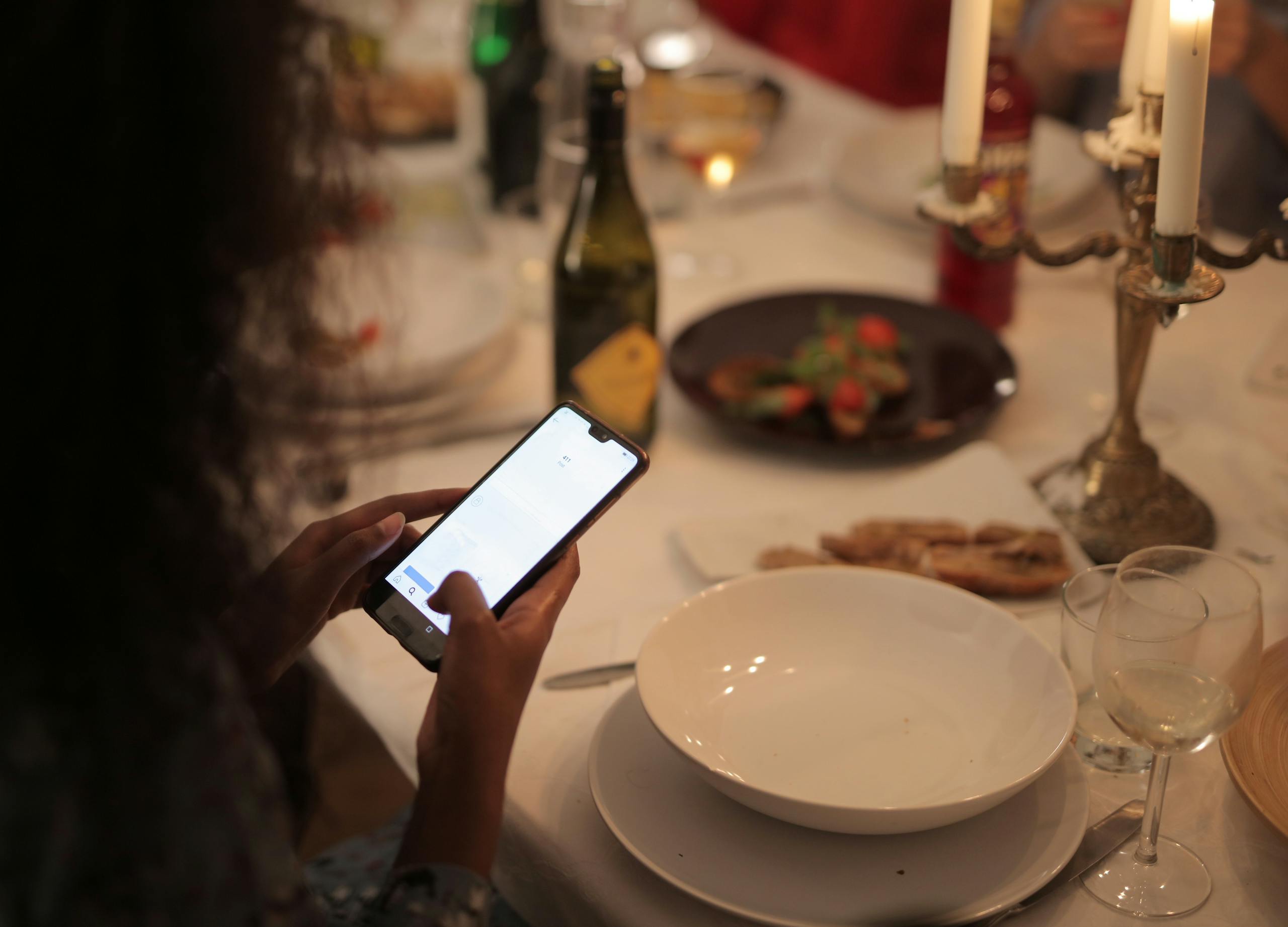
It’s one thing to avoid a dinner party because you’re tired, but it’s another thing entirely when you have deipnophobia, the fear of dining and dinner conversations. This phobia can transform a routine meal into a source of overwhelming anxiety.
The fear of talking while eating, maintaining a conversation, or even being judged for what you’re eating can lead people to isolate themselves from social situations.
What might seem like a small inconvenience snowballs into a larger issue, preventing individuals from forming meaningful relationships and enjoying meals with others. Over time, this phobia leaves a person feeling alone and disconnected from the world.
Conclusion
Food-related phobias might seem unusual, but the consequences of ignoring or dismissing them are profound. These fears can prevent people from engaging with others, enjoying meals, or maintaining a healthy lifestyle.
The emotional, social, and physical toll of living with food phobias is often underestimated, yet it’s clear that these conditions can lead to long-term health and mental issues.
If you or someone you know is struggling with any form of food-related phobia, it’s crucial to seek professional help. Understanding and addressing these fears is the first step toward breaking the cycle and reclaiming control over both food and life.