A few years ago, gold had a reputation problem. It sounded like something tucked away in a grandparent’s safe, not something a younger investor would proudly add to a modern portfolio. But that image is fading fast. As markets swing, prices stay stubbornly high, and faith in old-school investing formulas weakens, precious metals are starting to look less like relics and more like a response.
Reuters recently reported that more young people are turning to alternative assets beyond traditional stocks and bonds, and HSBC’s 2025 affluent investor research found that younger generations are leading adoption of alternatives, with especially strong demand for gold.
Traditional Investments Are Losing Their Appeal
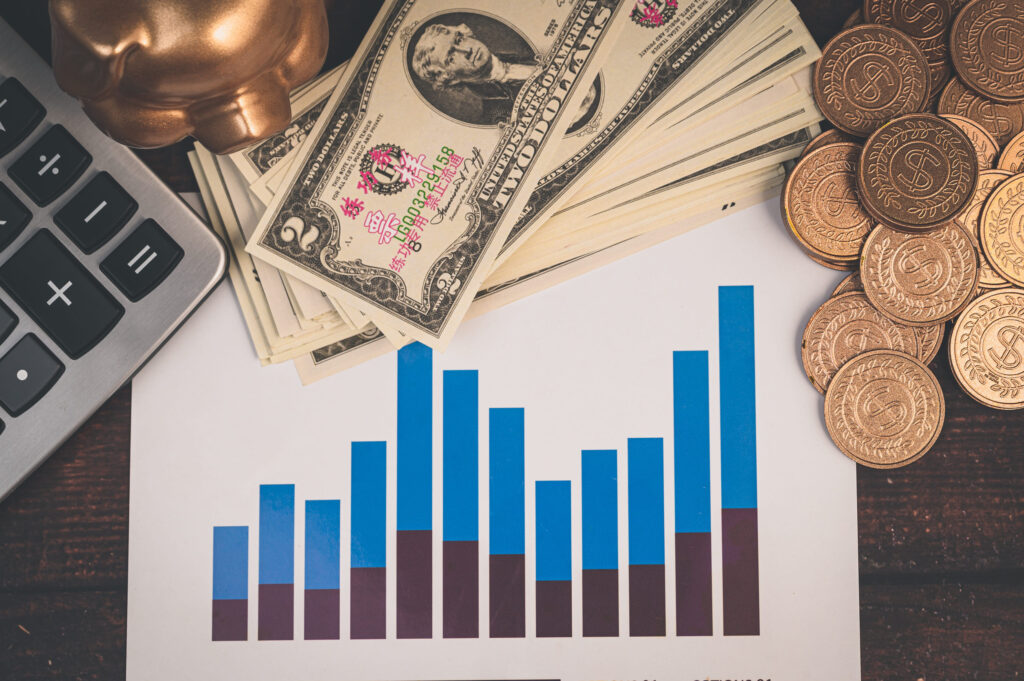
For decades, the traditional investment path — buy stocks, invest in bonds, and wait for the market to favor you — was the go-to advice for building long-term wealth. However, younger generations are finding this approach less reliable and more stressful. Having witnessed financial crises, economic instability, and the unpredictable nature of stock market fluctuations, many millennials and Gen Z investors have started questioning the tried-and-true methods of the past.
For them, a diversified portfolio should include more than just bonds and stocks, especially in a world where global events, inflation, and market volatility keep throwing curveballs. Younger investors now see these traditional tools as riskier than they appear, prompting a shift toward alternative assets that offer greater stability and less volatility. This shift is not just a trend; it’s a result of a generation that’s seen firsthand how quickly things can go wrong in the financial world.
Inflation and Market Uncertainty Drive Demand for Stability
The specter of inflation is impossible to ignore for younger investors who are just starting to build their wealth. From rising rent prices to soaring grocery bills, many are feeling the financial strain more than ever before. Inflation, once a concept discussed only in textbooks, has become a stark reality for young people today, making traditional savings methods seem ineffective.
As the cost of living continues to climb, many are turning to precious metals, such as gold and silver, as a protective hedge against inflation. These tangible assets have historically retained their value even as currencies fluctuate, offering a financial safety net in uncertain times. In addition, the fear of financial instability caused by economic downturns has made younger generations more proactive in safeguarding their wealth. Rather than relying on the volatile stock market, they’re gravitating toward investments that are immune to inflation’s corrosive effects.
The Price Surge Is Impossible to Ignore
One of the most persuasive reasons younger investors are flocking to precious metals is the undeniable price surge they’ve witnessed in recent years. The value of gold, silver, and other precious metals has soared, often outpacing returns from traditional investments. Gold, for instance, has set multiple all-time highs, gaining favor as both a store of value and an investment with strong growth potential, especially during economic instability. With silver also seeing substantial gains, it’s clear that precious metals are not just static assets; they’re appreciating in ways that are hard to ignore.
This impressive performance, in a time when many conventional investments have faltered, has caught the attention of younger investors seeking more lucrative ways to grow their portfolios. Their growing interest in these metals is fueled not only by the assets’ inherent value but also by the compelling financial momentum they are experiencing.
Precious Metals Offer Tangible Value in an Intangible World

In today’s digital age, investments are often abstract concepts, symbolized by numbers on a screen. Yet younger investors are looking for something with a bit more substance. Precious metals, particularly gold and silver, offer tangible value that can be held in your hand, stored securely, and even admired. The asset’s physical nature resonates with a generation that values not only financial growth but also emotional security. The idea of owning something real and measurable stands in stark contrast to the elusive nature of digital currencies or abstract stock valuations.
Whether it’s a gold bar or a silver coin, the tactile aspect of owning precious metals offers a sense of permanence and physicality that is comforting in a world where much of the financial system feels impersonal and fleeting. For many, having a portion of their wealth in something they can physically touch feels far more secure than digital investments that are vulnerable to hacking, theft, or devaluation.
Gold Provides a Long-Standing Hedge Against Financial Chaos

For centuries, gold has been seen as a safe haven during times of crisis. When markets crash, currencies plummet, or geopolitical tensions rise, gold tends to shine. This track record of resilience has made it a trusted asset, especially in turbulent times.
Younger investors who have witnessed the 2008 financial crisis and the COVID-19 pandemic are naturally inclined to seek an asset that can weather the storms of financial chaos. Gold’s role as a hedge against uncertainty is undeniable. It’s an asset that doesn’t rely on any single country’s economy or currency, making it a global safe-haven. For those looking to diversify their portfolios and avoid overreliance on traditional stocks or bonds, gold offers a sense of financial security. It’s an investment that offers peace of mind in a world where financial stability can feel like a luxury.
Younger Investors Crave Control Over Their Financial Future
One of the defining traits of younger generations is their desire for control — over their finances, their career paths, and their future. For many, relying on traditional investment vehicles and trusting financial advisors doesn’t feel empowering; it feels like surrendering control. Precious metals, however, offer an investment that can be managed directly, outside of traditional financial systems.
Whether investing in physical gold bars or precious metal-backed funds, younger investors are increasingly drawn to the idea of holding assets that aren’t entirely dependent on others’ decisions. The accessibility of online platforms for buying and storing metals makes this even easier. This shift towards taking charge of one’s financial future is driving many to embrace precious metals to carve out greater autonomy in their investment strategy, ensuring they have a hand in the decisions that shape their financial destiny.
The Digital Age Is Making Precious Metals More Accessible Than Ever

The digital revolution has made buying, selling, and storing precious metals easier than ever before. In the past, investing in gold or silver meant finding a reputable dealer, physically purchasing the metals, and securing a safe place to store them. Now, with online platforms and digital gold services, younger investors can buy, sell, and track their precious metal assets with just a few clicks.
Companies are now offering digital gold accounts that allow investors to buy and store gold in a secure, virtual vault. This modernized approach makes precious metals far more accessible and flexible for younger investors who are accustomed to managing all aspects of their financial lives online. This convenience factor is a significant reason why precious metals are gaining popularity among millennials and Gen Z. The ability to integrate these assets seamlessly into their digital-first world has turned what was once a niche investment into a mainstream choice.