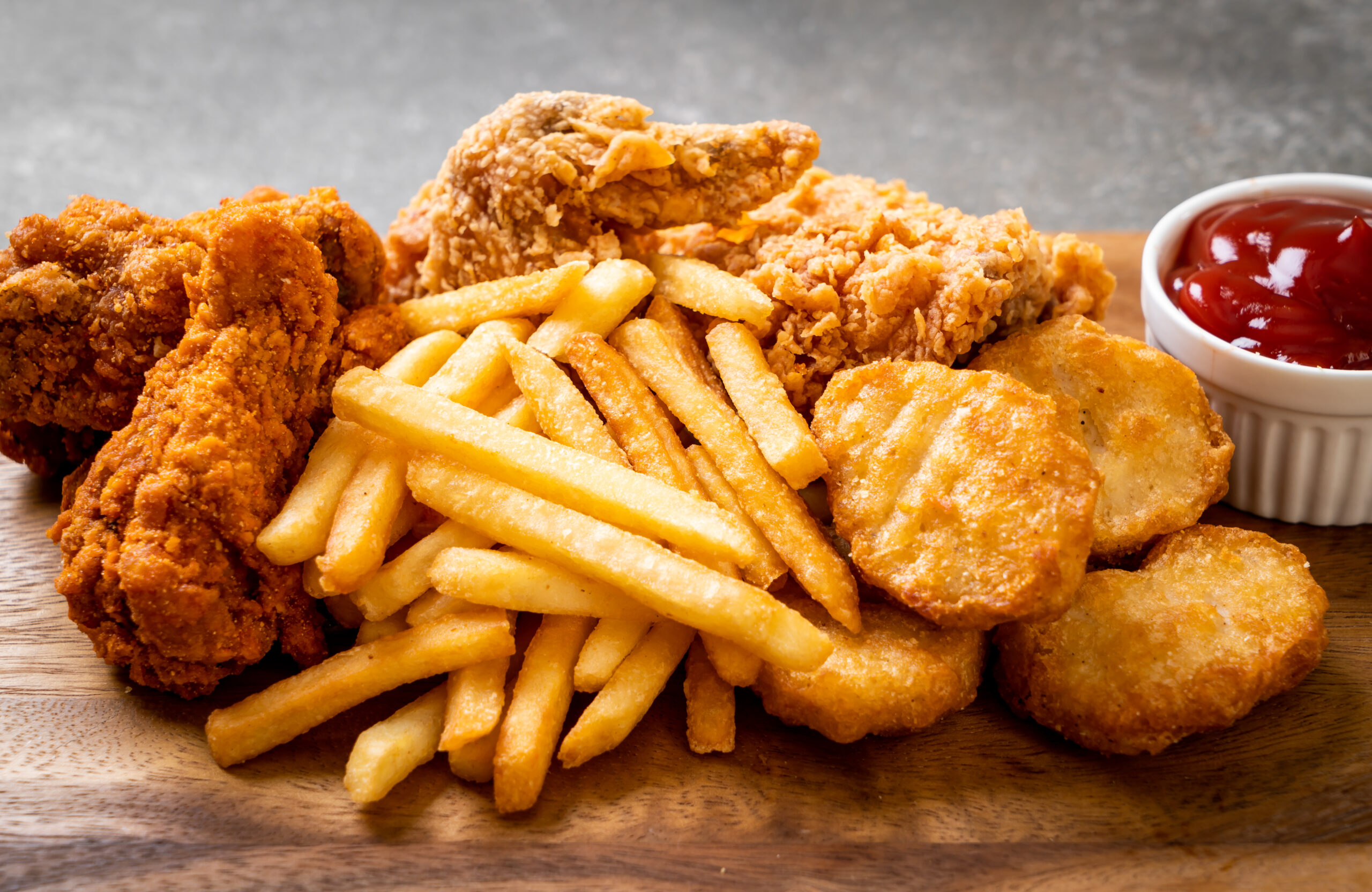
In the modern grocery store, we’re used to seeing the same produce over and over. Apples, bananas, and potatoes are reliable, familiar, and easy to find. But once upon a time, there were fruits and vegetables that were just as beloved, if not more so. Over the years, however, they’ve been overshadowed by more practical or profitable crops. It’s fascinating to think about what the produce aisle could have looked like if history had gone a different way.
Earthnut Pea
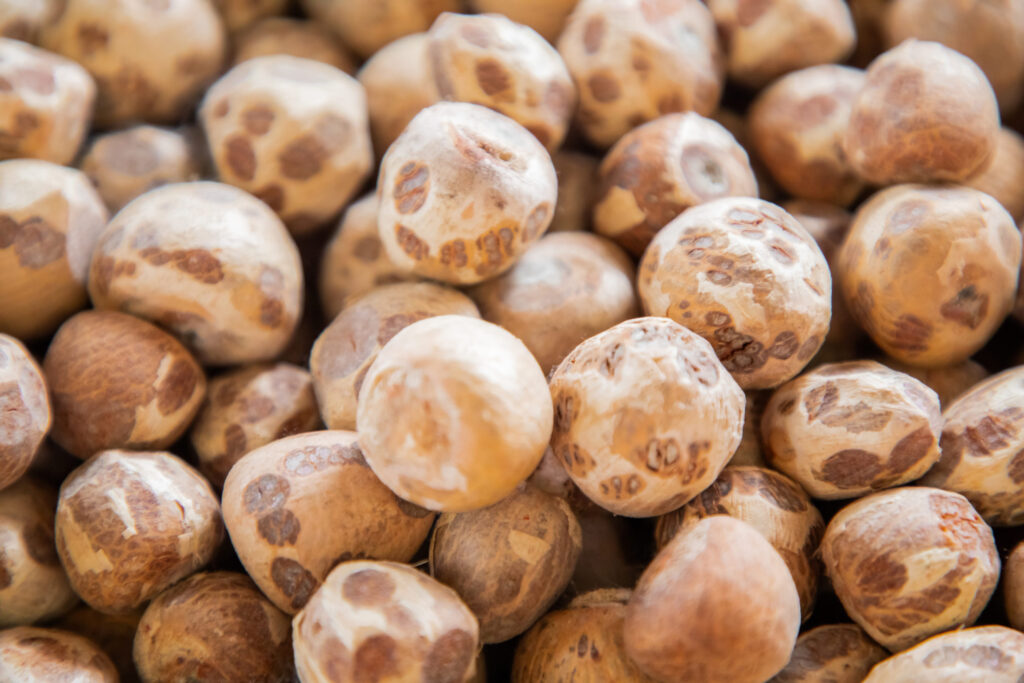
Once grown across Europe, the earthnut pea produced edible tubers similar to peanuts, but without the popularity or widespread recognition. It was a versatile crop, offering starch and sweetness, but as more reliable crops like potatoes took over, the earthnut pea faded into obscurity. In a different world, this quirky plant could have been a staple in kitchens across the globe.
Tava
This tropical fruit, also known as matoa, belongs to the lychee family and was once a crucial food source in parts of the Pacific and Southeast Asia. Though it’s still found in some regions, it’s no longer as widely recognized or cultivated. Its limited growing season and competition from other fruit trees have made it a rare find, but its sweet and tangy flavor should not be forgotten.
Medlar
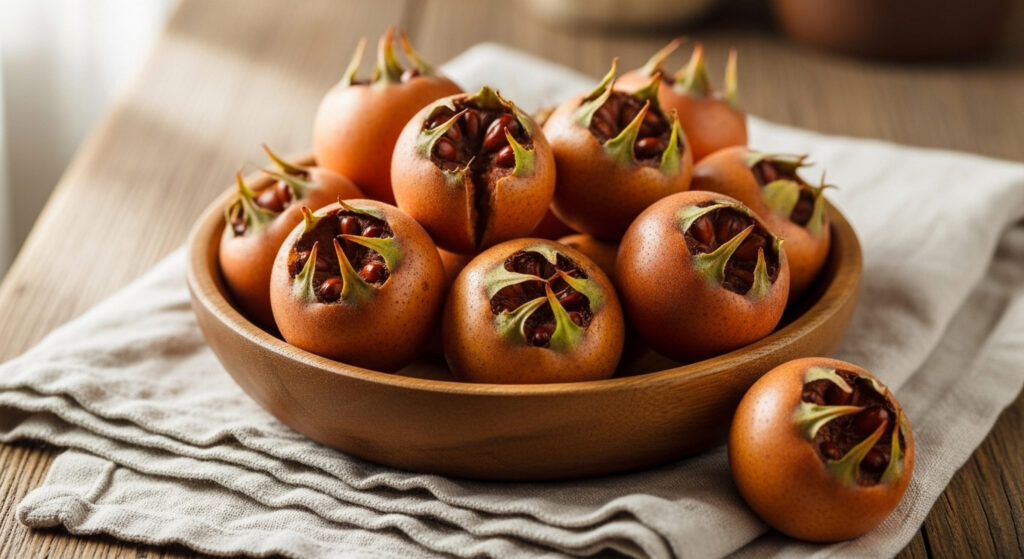
Known for its odd ripening process, the medlar fruit requires near-decomposition before it becomes edible. Despite this, it was once a popular choice in Europe, offering a unique flavor that’s often described as a mix between applesauce and spiced fruit. The medlar’s strange appearance and preparation time led to its decline, but it remains an intriguing piece of food history that deserves a second chance.
Skirret
Skirret, a root vegetable with a flavor reminiscent of a mix of carrot and parsnip, was widely cultivated before potatoes came on the scene. Though it was beloved for its sweetness and versatility, the potato’s simplicity and bulk quickly outpaced skirret’s in the competition for mainstream food production. Today, skirret is often grown only by gardeners who appreciate its historical value.
Silphium
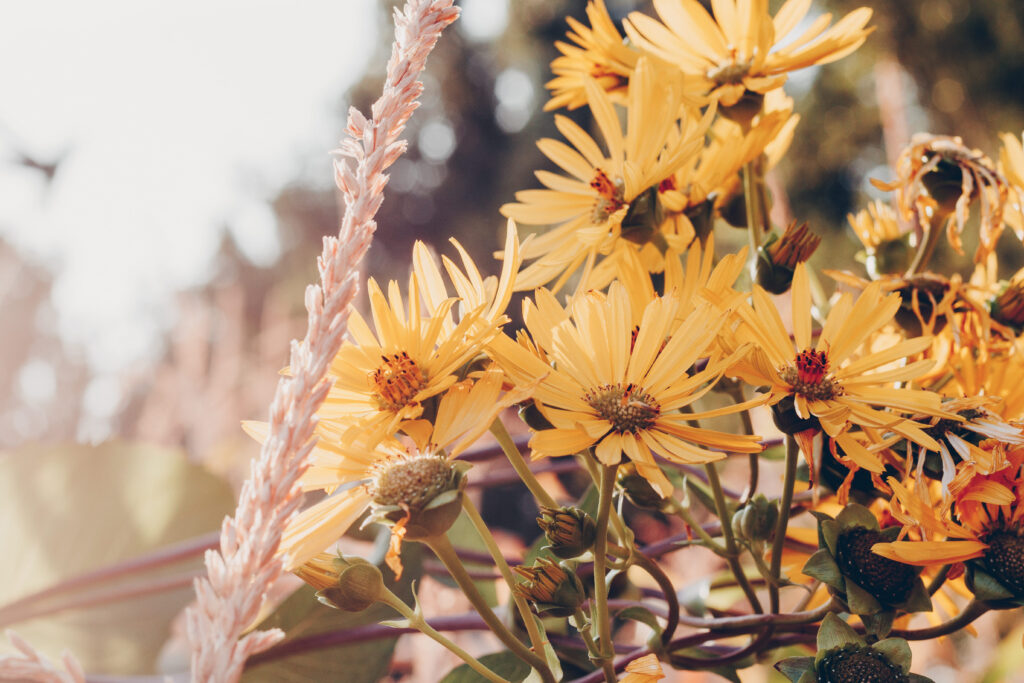
Silphium was an ancient herb valued for its culinary, medicinal, and possibly contraceptive properties. Its reputation reached legendary proportions, with the Romans reportedly driving it to extinction through overharvesting. Today, historians still debate what plant silphium truly was, adding an element of mystery to this once-precious resource, lost to time.
Taliaferro Apple
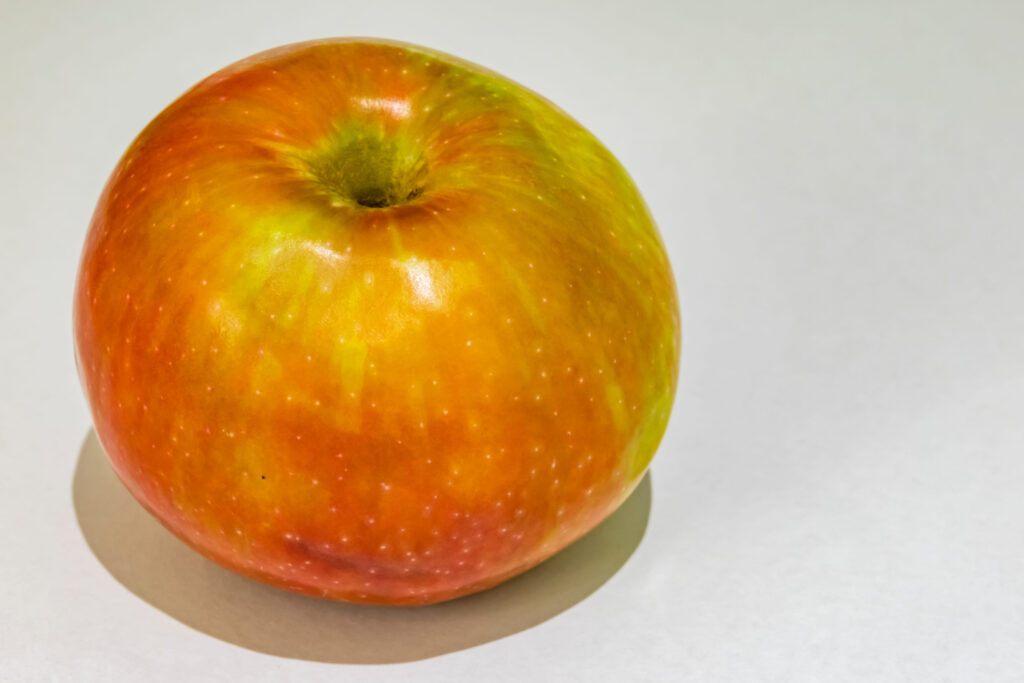
The Taliaferro apple was a star in early American orchards, particularly praised for its exceptional cider-making qualities. Its sweet, tart flavor and balanced texture made it a sought-after variety, but it slowly faded from cultivation as farming shifted to more commercially viable options. Today, it’s practically vanished, making it a fascinating example of a fruit that could have been an iconic part of American agriculture.
Conclusion
These forgotten fruits and vegetables offer a glimpse into the diversity of food that shaped past cultures. They remind us that the foods we take for granted today could be overshadowed in the future, and some may deserve to be revisited and reintroduced to modern tables.