Misconceptions about gay and trans people have lingered for too long. These myths thrive on fear and ignorance rather than understanding and truth.
But when we look closely at the experiences of LGBTQ+ individuals, we discover stories of resilience, strength, and diversity. In this article, we highlight 10 key truths that reveal the real lives behind the stereotypes.
LGBTQ+ People Are Not Defined by Their Sexuality or Gender
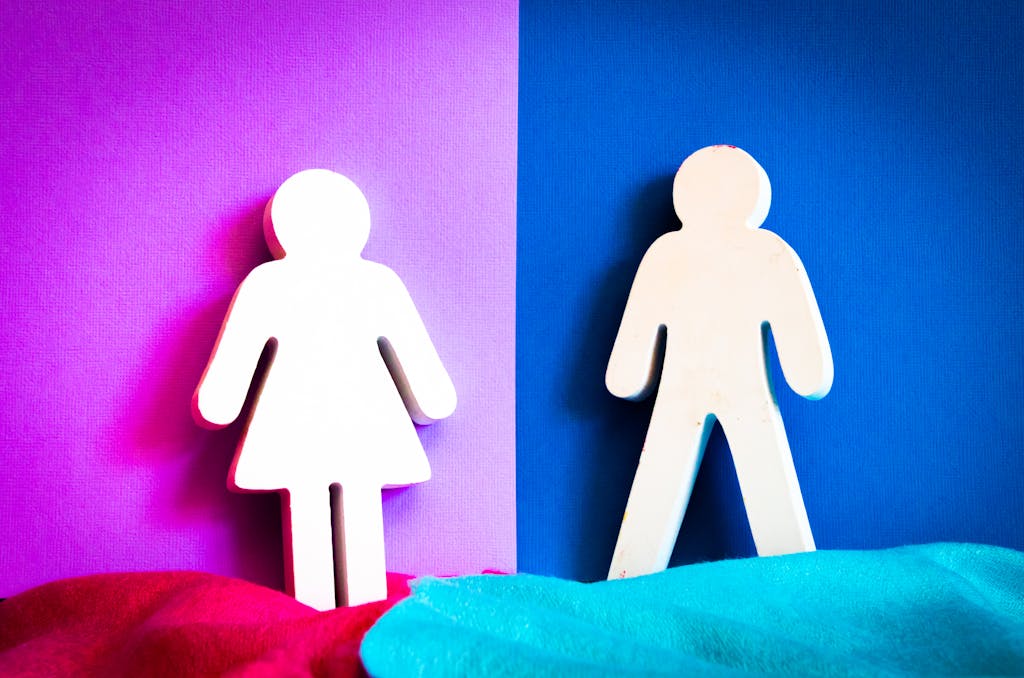
While being gay or trans is an important part of a person’s identity, it does not define who they are entirely. Gay, lesbian, bisexual, and transgender people have interests, careers, talents, and passions just like anyone else.
These identities are aspects of their lives, but they don’t dictate their whole existence. Seeing LGBTQ+ individuals as whole people with diverse lives helps to humanize them and build empathy.
LGBTQ+ Rights Have Made Significant Progress, But There’s Still Work to Be Done
Laws protecting LGBTQ+ people have advanced significantly in recent decades, but discrimination and inequality still persist in many areas. In some regions, LGBTQ+ individuals can
still be legally fired from their jobs or denied healthcare because of their sexual orientation or gender identity. While progress has been made, the fight for full equality continues. This ongoing struggle highlights the importance of continued activism, policy change, and education.
Transgender Identities Have Existed for Centuries
Transgender people are not a modern phenomenon; evidence of trans identities dates back thousands of years. Cultures across the globe, from Ancient Greece to Indigenous North American tribes, have recognized and revered individuals who lived outside the traditional gender norms.
Gender diversity is embedded in human history, proving that transgender identities are as old as human civilization itself. Understanding this historical context helps to dismiss harmful stereotypes that claim transgender people are “new” or “unnatural.”
Gender Identity and Expression Are Fluid

Gender is not a binary concept. Many people identify outside the traditional categories of male or female, and that is just as valid. For some, their gender identity may shift over time, which is perfectly natural. Embracing a more fluid understanding of gender allows people to express themselves authentically without fear of judgment.
LGBTQ+ People Are at Higher Risk for Mental Health Struggles
Due to societal rejection, discrimination, and prejudice, LGBTQ+ individuals face a higher risk of mental health challenges. Studies show that LGBTQ+ youth are more likely to experience depression, anxiety, and suicidal thoughts, especially in environments that are not supportive.
However, when given access to affirming communities and mental health care, LGBTQ+ individuals thrive. Support from family, friends, and society can reduce these risks and lead to happier, healthier lives.
Coming Out is a Personal Journey — Not a One-Time Event
Coming out is not a single event but an ongoing process. For many, it’s something they navigate throughout their lives, revealing their identity in different settings and at different times.
The fear of rejection or discrimination often makes the decision to come out a complex and emotional experience. Understanding that coming out is personal and ongoing can help others be more supportive when the moment arises.
Many Transgender People Face Violence and Hate Crimes
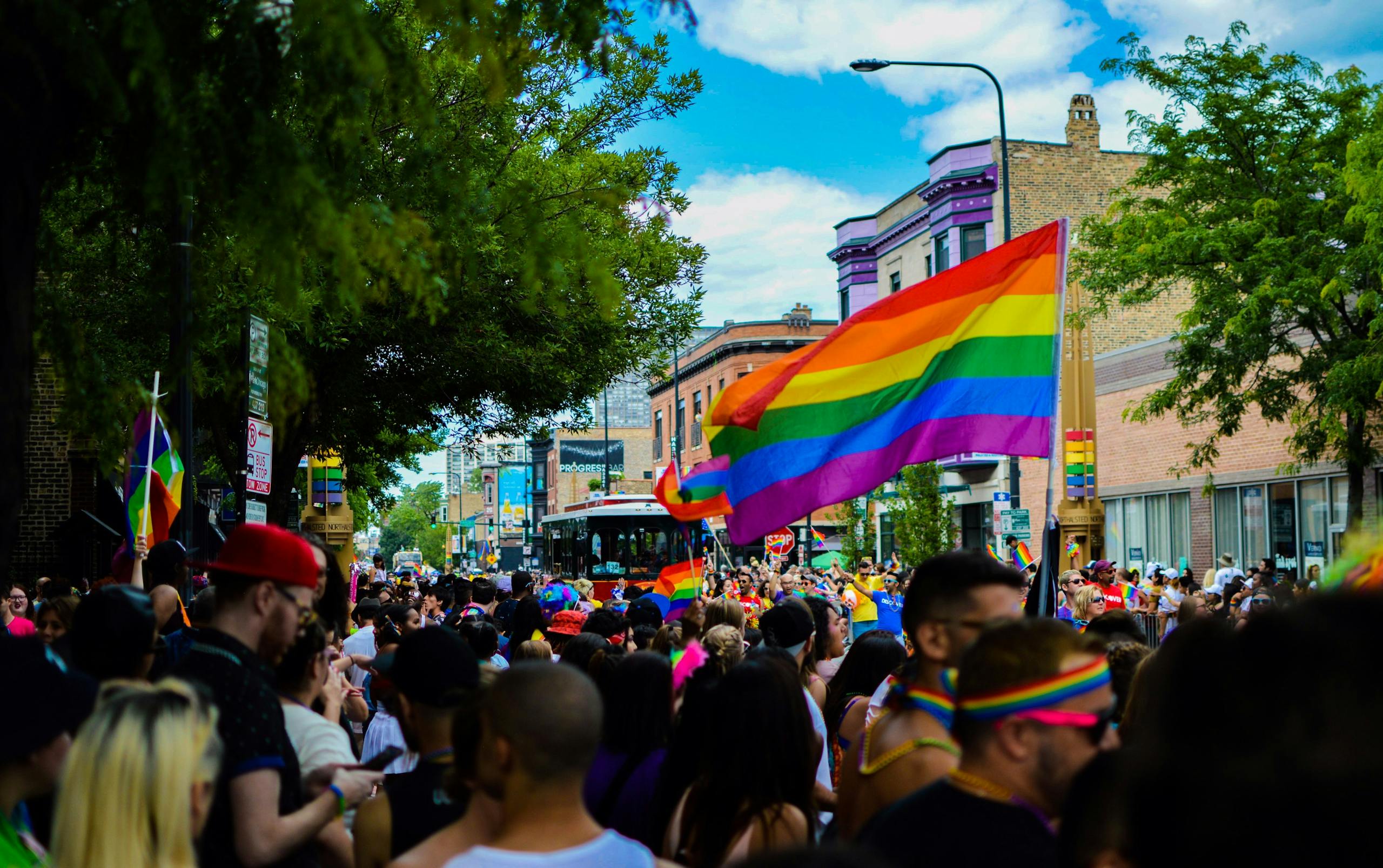
Transgender individuals, particularly transgender women of color, are disproportionately affected by violence and discrimination. Studies show that hate crimes against transgender people are on the rise, highlighting the urgent need for societal change.
These acts of violence are often fueled by ignorance and a lack of understanding of gender diversity. It’s crucial to recognize the systemic issues at play and work toward creating safer spaces for transgender individuals.
Sexual Orientation and Gender Identity Are Separate Yet Equal
Sexual orientation — who you’re attracted to — is distinct from gender identity — how you identify within the gender spectrum. This means that someone can identify as a man, a woman, or something else while being attracted to any gender.
Both orientations and identities are valid, and neither is chosen nor can be “changed” by outside forces. Understanding the difference is essential to supporting and respecting others, no matter where they fall on the spectrum.
The LGBTQ+ Community Is a Rich Tapestry of Diverse Experiences
The LGBTQ+ community is not a monolith; it’s a vibrant tapestry of experiences, backgrounds, and perspectives. From various races, religions, and cultural contexts, LGBTQ+ individuals bring diverse contributions to society.
Embracing this diversity within the community strengthens the bonds between people, fostering a sense of solidarity and mutual support. Recognizing this richness helps to build an inclusive world where everyone’s identity is respected.
Transgender People Are Disproportionately Affected by Homelessness

Homelessness rates among LGBTQ+ youth are higher than those of their heterosexual peers. Many LGBTQ+ youth are rejected by their families after coming out, leaving them without a safe place to live.
Transgender people, in particular, face significant barriers to finding housing due to discrimination. Providing supportive resources and safe spaces for LGBTQ+ individuals is essential to combat this issue.
Conclusion
The journey toward acceptance and understanding is ongoing. By embracing the truth about gay and trans lives, we move beyond stereotypes and create a world where everyone can be authentic and loved for who they truly are.
Knowledge is a powerful tool in the fight for equality, and as we continue to educate ourselves, we dismantle harmful narratives and replace them with love, respect, and inclusivity. Let’s keep pushing forward with empathy and understanding, because only then will we all thrive