Some of the most iconic foods we now regard as gourmet treats had humble beginnings, often linked to poverty, peasant diets, or mere leftovers. Whether it’s due to changing trends, rising scarcity, or savvy marketing, many foods have transformed from being considered cheap and undesirable to becoming symbols of culinary luxury. These foods highlight how perceptions of food value can shift dramatically over time. Here’s a closer look at 10 foods that once had a questionable reputation but are now seen as premium delicacies.
Goat Cheese
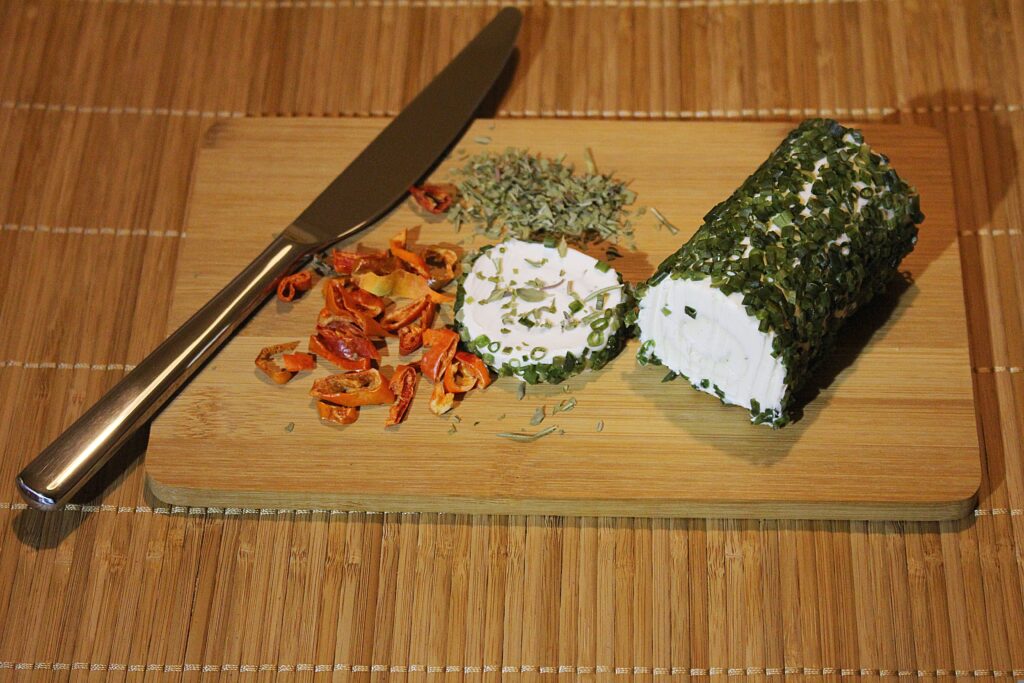
At one time, goat cheese was considered peasant food. Its strong flavor and distinctive texture made it unpopular among the upper classes, who preferred the milder cow’s milk cheeses. Over the centuries, however, French artisans perfected their craft, creating varieties like Chèvre that turned goat cheese into an artisan favorite. Thanks to its growing popularity and the rise of food movements celebrating authenticity, it has now become a staple in gourmet dishes. Goat cheese is frequently paired with wine and served at high-end restaurants, a far cry from its former status as a humble farm food.
Foie Gras
Foie gras, or “fatty liver,” is a dish rooted in centuries of culinary tradition, with its origins tracing back to ancient Egypt. The process of force-feeding geese to enlarge their livers was once regarded as a practical farming method. The French later elevated foie gras to high-end status, associating it with luxury and sophistication. While it remains controversial due to animal rights concerns, foie gras is still considered a must-try delicacy in fine dining restaurants around the world. Its journey from a peasant food to an elite indulgence is a prime example of how cultural practices can shape a food’s social status.
Kale

Kale’s humble beginnings as a backyard vegetable or even a garnish on salad bars make its status as a modern “superfood” all the more surprising. In earlier decades, it was often relegated to a decorative role on buffets or thought of as a tough, unappetizing leafy green. But in the early 2000s, health trends and the rise of organic food movements helped transform kale into a sought-after ingredient. Its nutritional benefits, packed with vitamins and antioxidants combined with creative preparation methods, turned kale into a staple in modern health-conscious kitchens. Today, it is frequently featured in salads, smoothies, and as a side dish at high-end restaurants.
Portobello Mushrooms
Portobello mushrooms were once overlooked by most cooks because of their large size and tough texture. They were typically used in basic, everyday dishes or as a filler in cheap meals. However, as chefs and food enthusiasts began to experiment with them, the portobello mushroom gained attention for its rich flavor and meaty texture. Today, it is often featured as a hearty meat substitute in vegetarian and vegan dishes, and its high-end preparation methods have made it a gourmet favorite in upscale dining. Portobellos are now a symbol of the “plant-based” movement, a far cry from their humble past.
Truffles
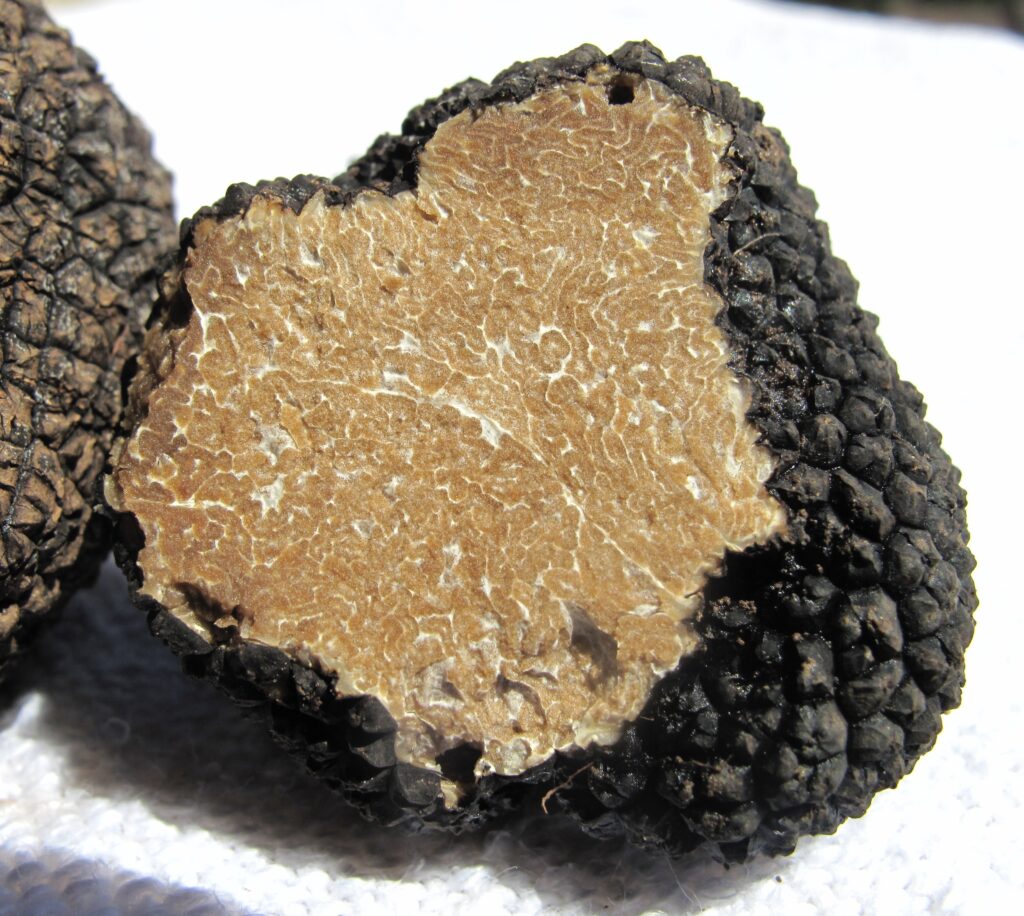
Once considered a rare and highly sought-after delicacy in ancient Rome, truffles lost their elite status during the Middle Ages. They were shunned due to superstition, with many people believing that they were linked to evil spirits or witchcraft. The high regard for truffles waned as they became associated with commoners, farmers, and even prisoners. It wasn’t until the 17th century that French royalty, especially Louis XIV, revived their reputation by elevating them to haute cuisine. Today, truffles are synonymous with wealth and sophistication, often served as an extravagant topping in fine dining establishments worldwide.
Caviar
Caviar was once so abundant that it was a regular snack for working-class people, fishermen, and even tavern-goers. In the 19th century, it was often free or sold at low prices. However, overfishing and international trade restrictions turned caviar into a rare delicacy. As demand for sturgeon eggs grew and caviar became harder to obtain, its price skyrocketed, and it became a status symbol in elite dining circles. Today, it’s synonymous with wealth, luxury, and indulgence, often served at exclusive events or enjoyed in small, elegant portions.
Snails (Escargot)
Snails, or escargot, were once a food of the poor, eaten by peasants across Europe, especially in France. They were easy to find and inexpensive to harvest, making them a convenient source of protein for the working class. However, French chefs in the 18th century began refining the preparation methods, elevating the dish to a level of sophistication. By the late 19th century, escargot had firmly established itself as a gourmet offering in fine dining establishments, especially in France. Today, escargot remains a classic luxury dish, often served in its shells, with garlic butter and herbs.
Sushi
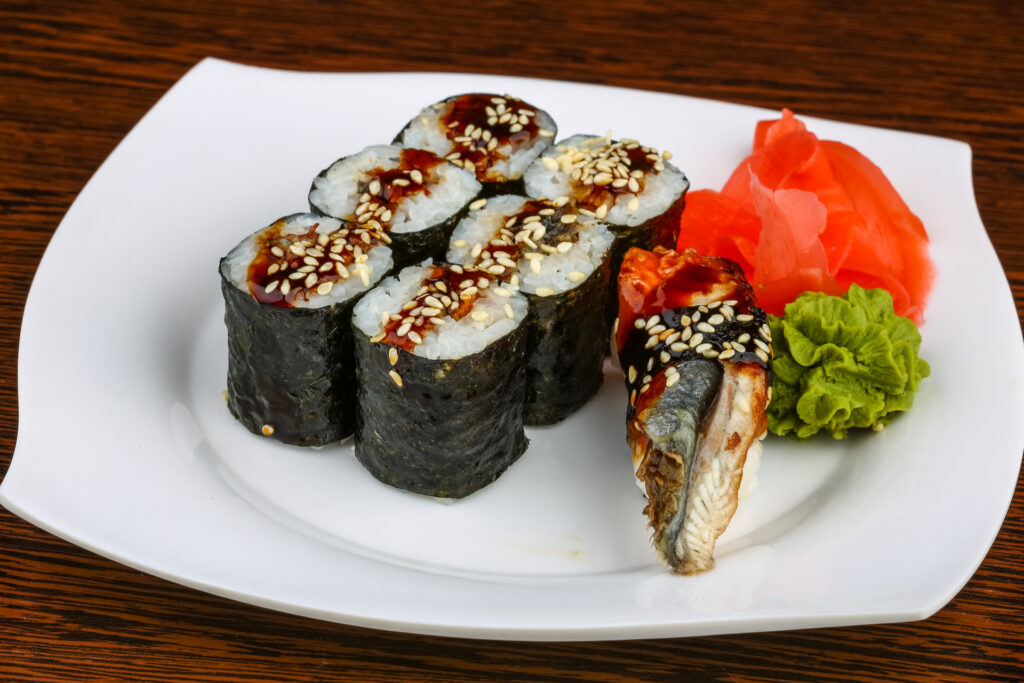
Sushi began as a method of preserving fish, with early forms of the dish originating in Southeast Asia. In the beginning, the fish was salted and fermented to extend its shelf life. The dish gained popularity in Japan as a fast, inexpensive food. However, as Japanese culinary traditions evolved and sushi became refined, it transformed into a delicacy for the wealthy. By the mid-20th century, sushi had spread beyond Japan and was embraced in Western countries, becoming a fine-dining trend and often commanding premium prices for high-quality fish and masterful preparation.
Chicken Wings
Chicken wings had a very different reputation in the past. Once considered a cheap, undesirable part of the chicken, they were typically reserved for the poor and, in some cases, even prisoners. However, in the 1960s, Buffalo wings, deep-fried wings served in a tangy hot sauce, became a culinary phenomenon in the United States. The rise of sports bars and casual dining restaurants helped popularize the dish, turning it from a simple snack into a gourmet treat. Today, wings are found on menus everywhere, ranging from fast food to fine dining, and are often treated as a luxurious dish in creative, gourmet forms.
Lobster
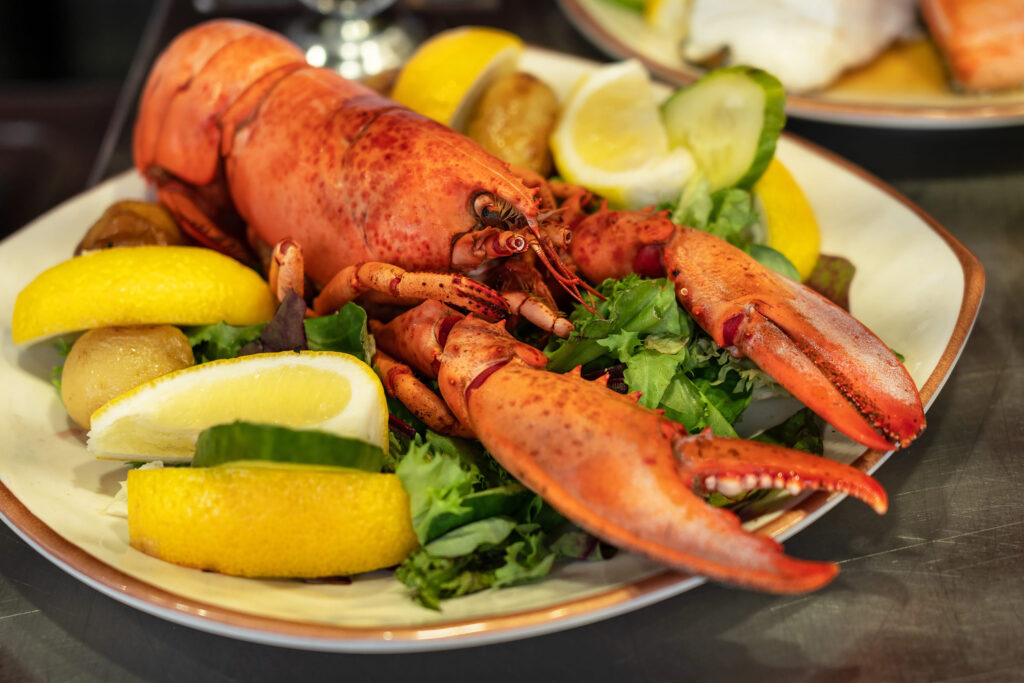
Lobster’s transformation from “poor man’s protein” to a symbol of luxury is one of the most dramatic. In the 1600s and 1700s, lobster was so abundant along the Northeastern coast of America that it was fed to prisoners and used as fertilizer. Its low cost and abundance made it an easy meal for those without means. However, over time, demand for lobster increased, particularly with the development of the railroad system, which enabled it to be transported fresh to more affluent areas. By the 19th century, lobster became a symbol of wealth, often served at fancy dinner parties and restaurants. Today, lobster is synonymous with fine dining, particularly in high-end restaurants and expensive seafood platters.
Conclusion
These 10 foods serve as a reminder that nothing in the culinary world is static. What was once considered garbage or a food of necessity can transform into something seen as luxurious, desirable, and expensive. The stories behind these foods are a testament to how societal shifts, changing tastes, and clever marketing can elevate the most unlikely ingredients to the height of culinary sophistication. The next time you indulge in a plate of foie gras or a serving of lobster, remember that its place at the table was once a journey from peasant food to gourmet delight.