Who doesn’t love a good freebie, especially when it involves improving your life? You don’t need a hefty budget or an exclusive gym membership to become the best version of yourself.
Sometimes, the simplest, cost-free habits can make the most profound difference. Here are 10 powerful ways to elevate your well-being, all without spending a single cent.
Get Moving

Walking is one of the most underrated exercises, yet it’s incredibly effective. Whether it’s a quick stroll around the block or a longer hike through nature, walking regularly can improve cardiovascular health, boost energy, and even lift your mood. It’s also a great low-impact exercise for your joints.
Plus, walking outdoors in nature offers additional benefits, from reduced stress to increased mindfulness. So, lace up those shoes, take in your surroundings, and get moving. It’s one of the easiest and most cost-effective fitness routines you can follow.
Practice Gratitude Daily
Gratitude isn’t just a feel-good concept; it’s a powerful tool for improving your overall well-being. By simply taking a moment each day to reflect on what you’re grateful for, you actively train your brain to focus on the positive.
This practice helps you build a more optimistic mindset, which can be a game-changer in how you navigate life’s challenges. Whether it’s writing down your thoughts or just acknowledging them mentally, this daily habit can lead to greater happiness, less stress, and improved emotional health. All it takes is a few minutes a day, and it costs nothing but a shift in perspective.
Connect with Nature
Spending time outdoors has a rejuvenating effect that can’t be overstated. Whether you’re walking through a park, sitting in your backyard, or hiking through the woods, the natural world provides a calming escape from the daily grind.
Research has shown that spending time in nature can reduce anxiety, lower blood pressure, and improve focus. It’s also an opportunity to practice mindfulness, fully immersing yourself in the moment. Nature doesn’t charge an entry fee, and its healing properties are endless. Take advantage of it by making nature your go-to refuge for a little peace and quiet.
Declutter Your Space
Clutter isn’t just about physical mess; it can also overwhelm your mind. A cluttered environment often leads to a cluttered mind, which can contribute to stress and anxiety. By taking time to organize and simplify your space, you create a sense of order and calm that positively impacts your mental health.
You don’t need to spend money on fancy storage solutions; often, it’s just about dedicating a few minutes each day to tidy up. Start small, perhaps with your desk or kitchen counter, and gradually work through other areas of your home. You’ll be surprised how much more relaxed and productive you feel when your surroundings are clear.
Laugh More Often
Laughter is not only a natural stress reliever but also a powerful mood booster. It stimulates endorphins, the brain’s feel-good chemicals, and lowers cortisol, the stress hormone.
Whether it’s watching a funny movie, reading a humorous book, or spending time with someone who makes you laugh, don’t underestimate the power of humor in your life.
In fact, regular laughter can improve your immune system, reduce pain perception, and increase your sense of well-being. So, go ahead and indulge in something that makes you laugh out loud. It’s free, fun, and incredibly beneficial for your health.
Practice Mindfulness
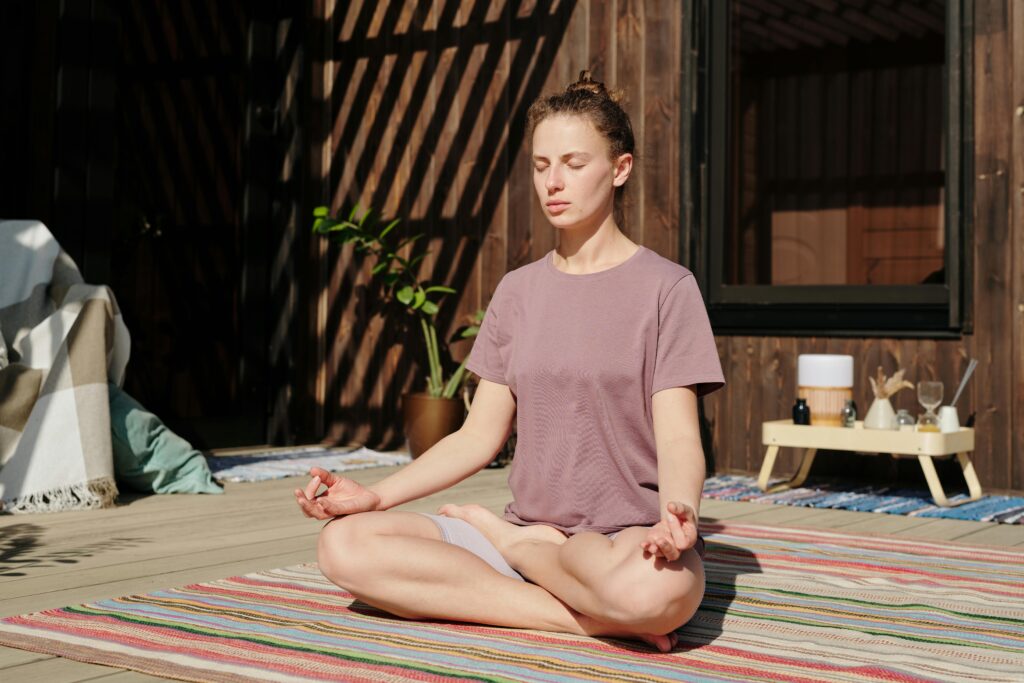
Mindfulness is all about being present in the moment without judgment, and it can be a game-changer for your mental health.
Whether you practice mindfulness through meditation, deep breathing exercises, or simply by paying attention to the task at hand, it helps you become more aware of your thoughts and emotions. It encourages you to step away from the world’s noise and center yourself.
Even taking 10 minutes a day to focus on your breath can reduce anxiety and promote mental clarity. It’s a simple practice, but the impact on emotional resilience and well-being is profound.
Strengthen Social Bonds

Human connection is a cornerstone of mental health, and it’s free to nurture your relationships. Whether you’re spending time with family, calling a friend, or even making new acquaintances, meaningful social interactions boost happiness and reduce feelings of isolation.
Research has consistently shown that those who maintain strong social connections live longer and healthier lives. You don’t need grand gestures to strengthen bonds; sometimes a simple check-in call or a walk together is enough to deepen your connections. So, make the time to prioritize relationships and experience the joy that comes with shared experiences.
Unplug for a While
In a world constantly connected to screens, it’s easy to feel overwhelmed by digital distractions. Taking time to unplug, whether it’s turning off your phone for an hour or not checking email during meals, can help you regain focus, reduce stress, and improve your relationships.
It allows you to be present in the moment without the constant pull of notifications. The next time you’re feeling drained, try disconnecting for a while. You’ll be amazed at how much more refreshed and focused you feel when you return.
Volunteer and Give Back
Volunteering might not cost you anything, but the benefits are invaluable. Giving back to your community, whether by helping a neighbor, donating time to a local shelter, or mentoring someone in need, can create a powerful sense of fulfillment.
It’s a way to connect with others and contribute to causes that matter, which in turn boosts your own sense of purpose and well-being. Plus, studies show that acts of kindness can increase your happiness levels and even improve your health. Whether it’s a small or large gesture, volunteering is one of the best ways to improve both your life and others’.
Take Care of Your Sleep

Never underestimate the power of a good night’s sleep. Sleep is the foundation of good health, affecting everything from mood to cognitive function to physical performance.
Yet, many of us neglect it in our busy lives. Prioritize sleep by creating a calming bedtime routine, minimizing screen time before bed, and keeping a consistent sleep schedule. When you get enough quality rest, you’ll feel more energized, focused, and emotionally balanced. Sleep is free, but its benefits are priceless. It’s one of the simplest ways to drastically improve your overall well-being.