The most dangerous thing in your living room might be the one thing everyone compliments. It sits by the window, looks fresh, makes the room feel expensive, and quietly waits for one curious bite from a cat or dog that does not know better. That is the trap with toxic plants. They do not look like threats. They look like décor.
The ASPCA warns that many popular favorites, including lilies, sago palms, azaleas, tulips, oleander, daffodils, peace lilies, and dieffenbachia, can cause anything from vomiting and drooling to kidney failure, heart trouble, liver damage, and death in pets.
Sago palm looks stylish, but it can quickly harm a pet’s health.
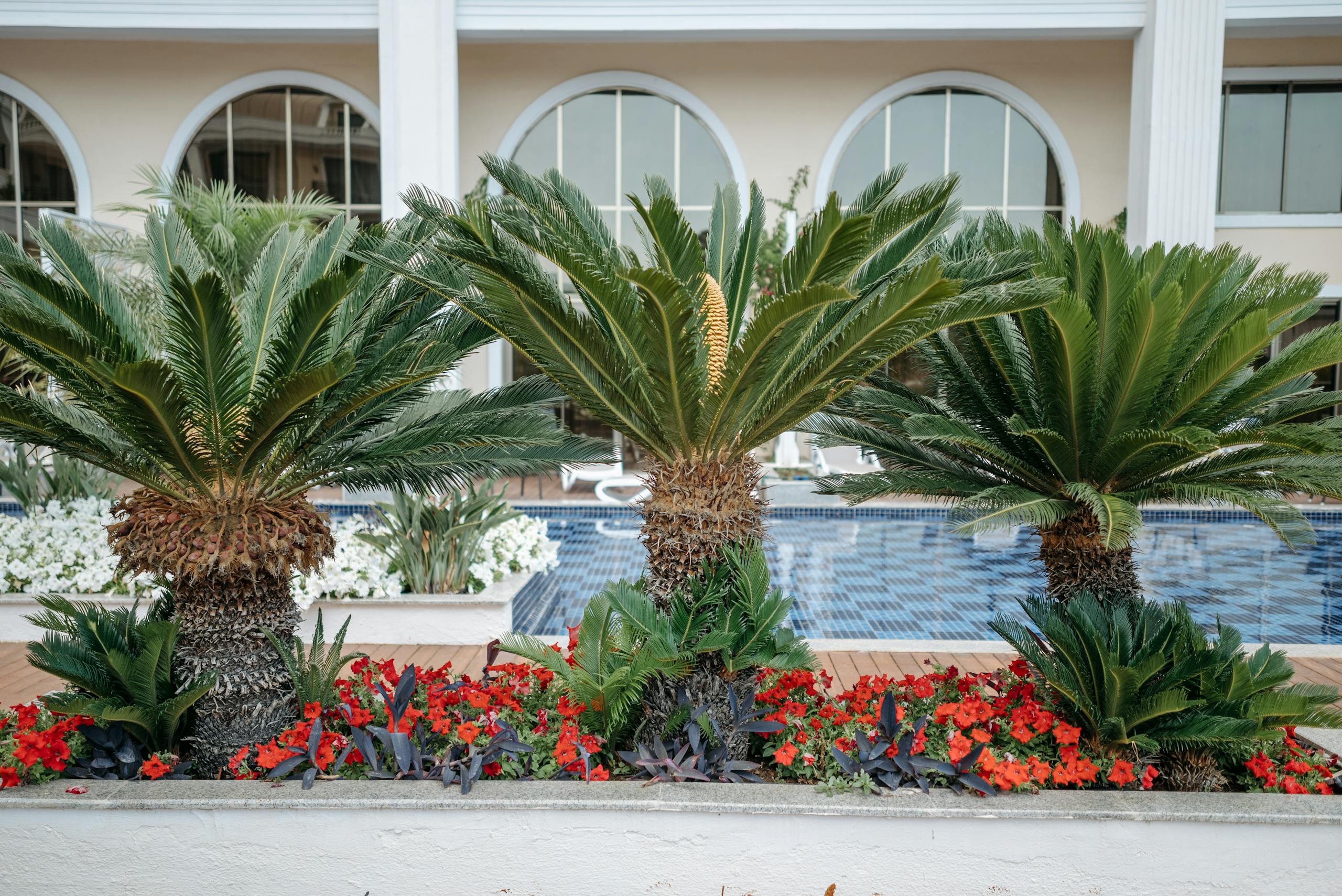
At first glance, sago palm looks like the kind of plant that belongs in a glossy home magazine. It has that sculpted, tropical look people love, which makes it easy to forget how brutal it can be. The ASPCA lists it as toxic to both dogs and cats and notes that it can cause vomiting, bruising, bleeding problems, liver damage, liver failure, and death.
Even worse, the whole plant is dangerous, including the seeds and fronds, so there is no harmless part to gamble on. This is the kind of plant that turns a design choice into a genuine medical emergency.
Lilies can turn a beautiful bouquet into a nightmare for cat owners.
Few things look more innocent than a bouquet on the table. That is exactly why lilies are so dangerous. ASPCA guidance says lilies from the Lilium and Hemerocallis groups can be lethal to cats,and even small exposures, including leaves, petals, pollen, or vase water, can lead to acute kidney injury, kidney failure, or death.
A flower does not need to be chewed to cause damage. In a cat home, lilies are not a maybe-risk. They are a hard no.
Oleander brings heart trouble into the yard dressed up as beauty.
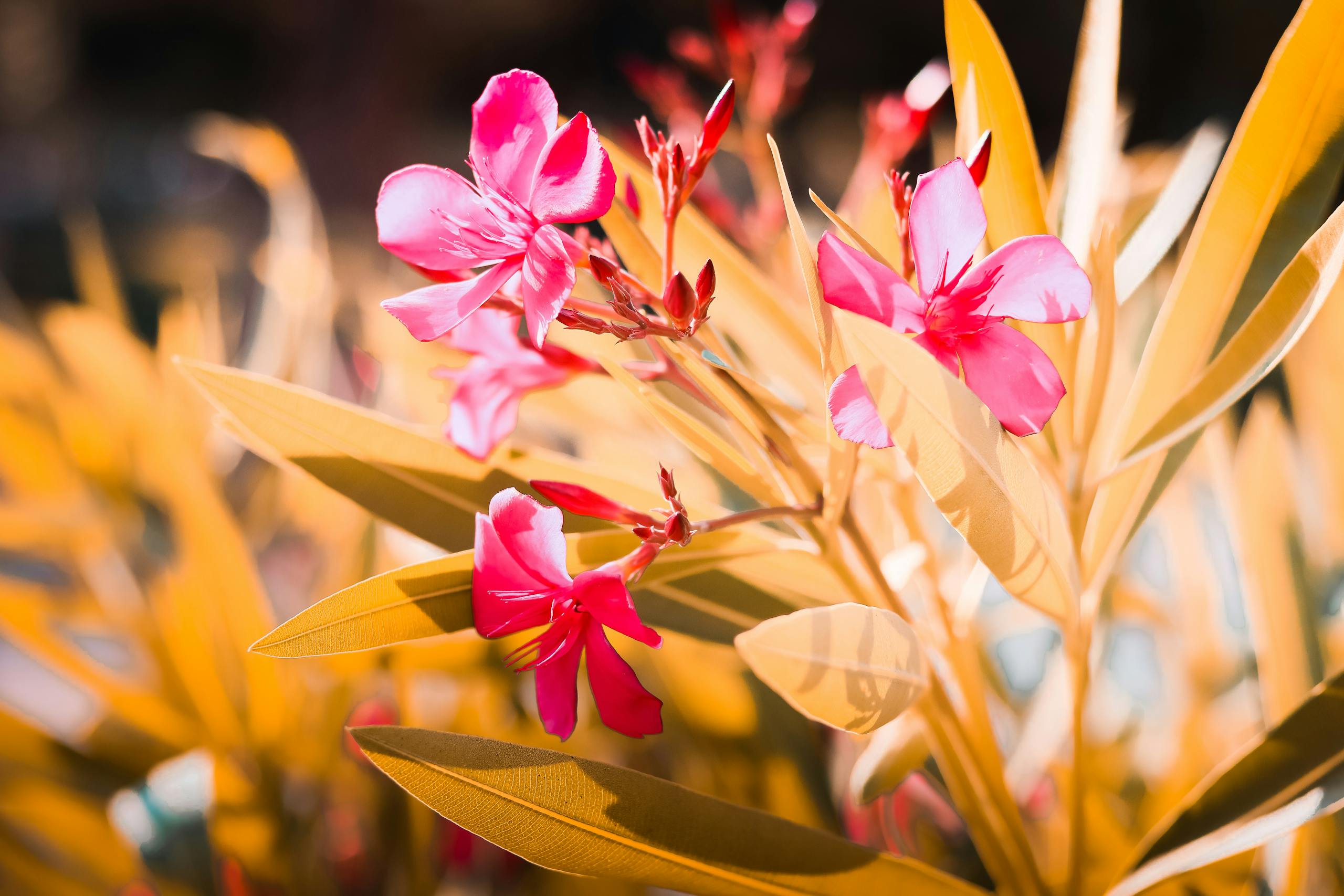
Oleander is the kind of shrub people trust too quickly because it blooms so beautifully. It softens a yard, adds color, and looks almost too elegant to be dangerous. The problem is that it is toxic to dogs and cats because it contains cardiac glycosides, and the reported signs include drooling, abdominal pain, diarrhea, depression, abnormal heart function, and death.
That is a savage downside for a plant that people often place where pets roam freely. One careless chew can make that beautiful landscaping choice feel like a terrible decision.
Azaleas prove that pretty shrubs can hide ugly consequences.
Azaleas have a way of making every yard look polished and cheerful. They scream spring, fresh starts, and curb appeal. They also carry real risk. Azaleas are toxic to dogs and cats because of grayanotoxin, and ingestion can cause vomiting, diarrhea, weakness, and even cardiac failure.
That means a few curious bites from a bored dog or adventurous cat can turn a lovely afternoon outside into a panicked rush to the vet.
Peace lily fools people with the safest-sounding name on the list
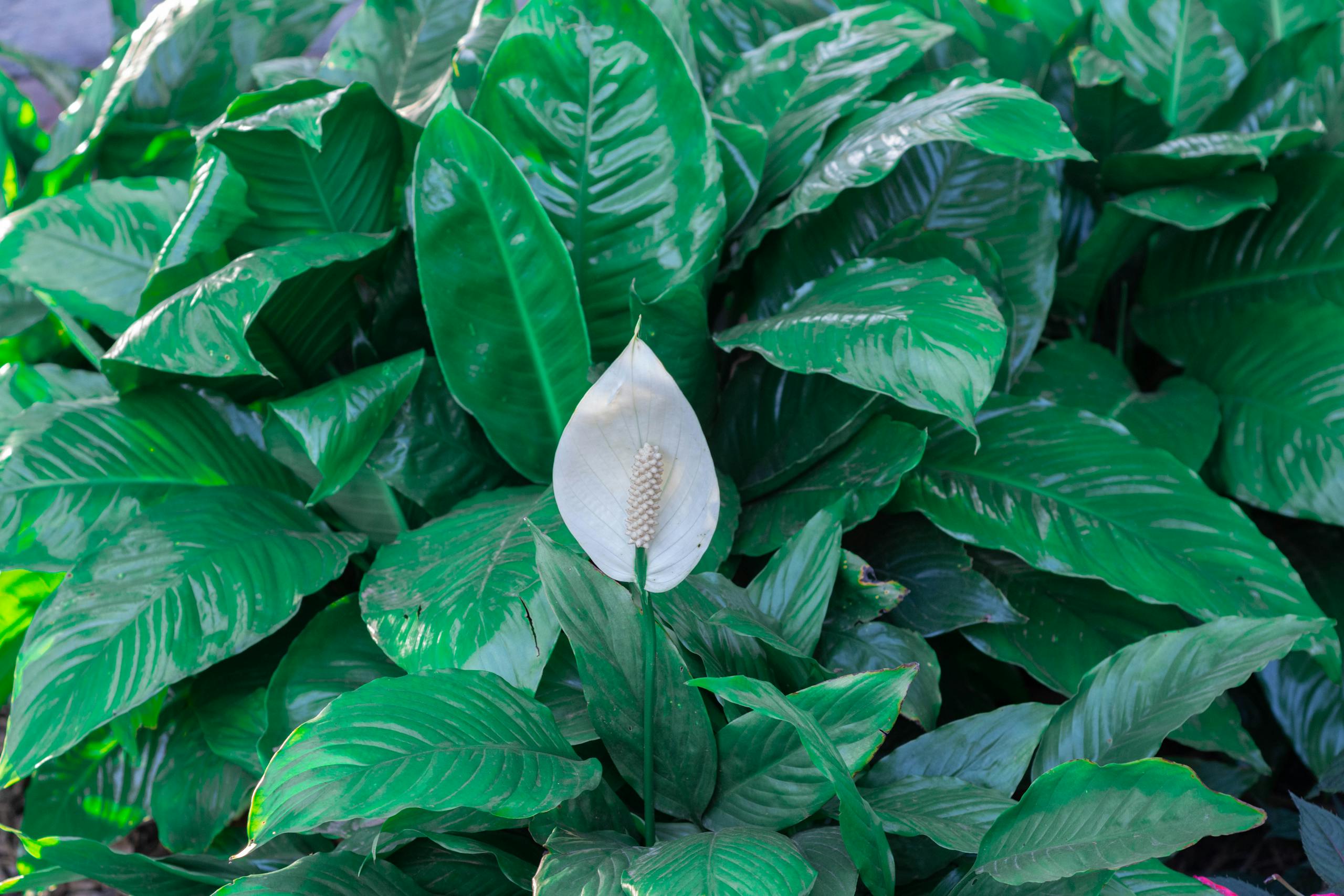
Peace lily sounds like the last plant that would ever cause trouble. The name feels calm, gentle, almost reassuring. That is part of the problem. Peace lily is toxic to dogs and cats because it contains insoluble calcium oxalates, which can cause intense mouth irritation, drooling, vomiting, and difficulty swallowing.
So even though it does not carry the same kidney risk as true lilies, it can still make a pet miserable in a hurry. A soft name does not make a safe plant.
Tulips become a bigger problem the moment a dog starts digging.
Tulips look cheerful, harmless, and almost too familiar to question. That familiarity is exactly what makes them easy to underestimate. Tulips are toxic to cats and dogs, and the highest concentration of toxin sits in the bulb, the very part that many dogs are most likely to dig up and chew.
Symptoms can include vomiting, depression, diarrhea, and hypersalivation, and larger bulb ingestions may even create obstruction concerns. So the real danger is not the flower everyone admires, it is the buried part your dog finds first.
Dieffenbachia punishes curiosity almost immediately.
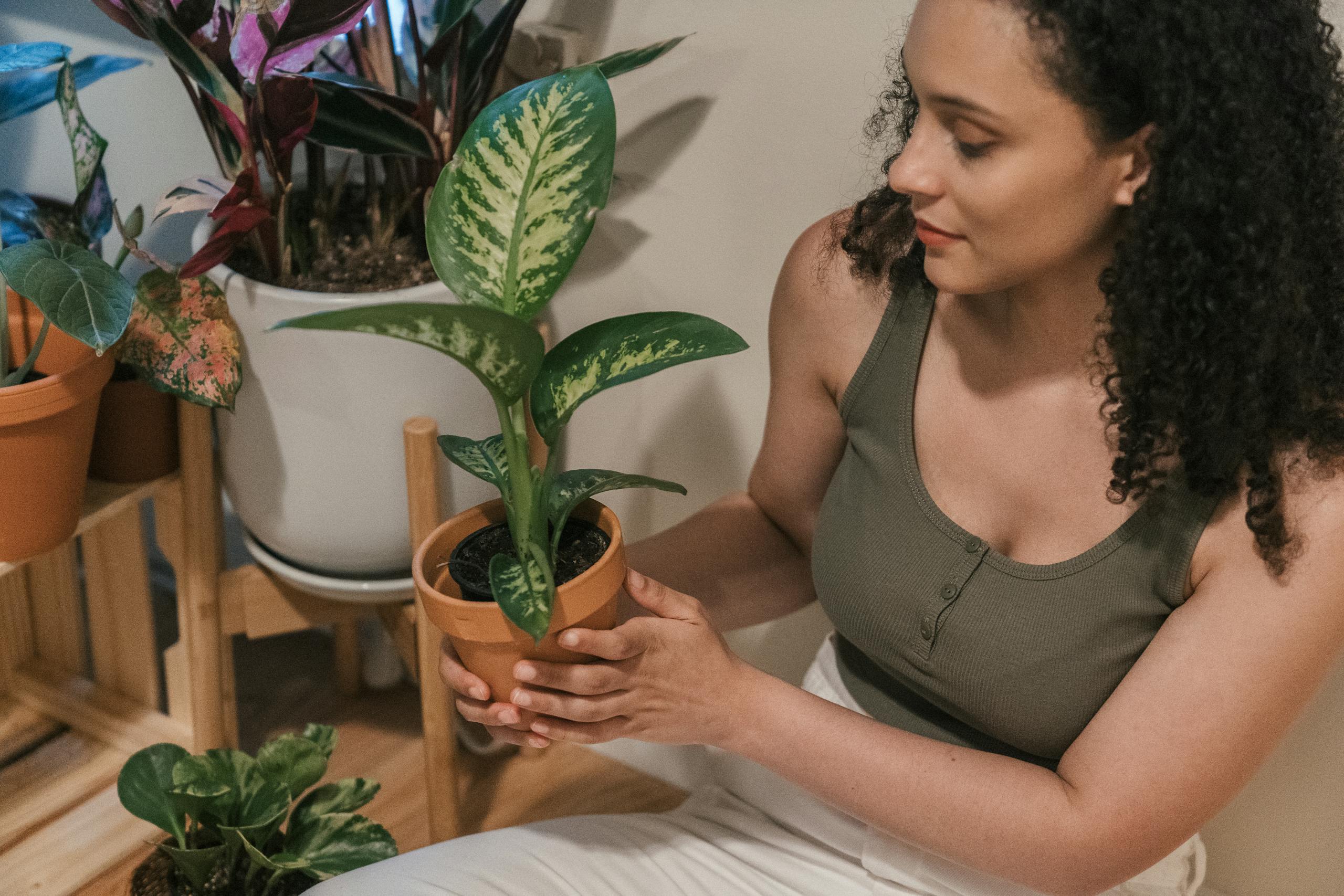
Some plants cause trouble quietly. Dieffenbachia is not one of them. The moment a pet bites into it, the consequences can hit fast and hard. It is toxic to dogs and cats due to insoluble calcium oxalate and related irritants, with signs including intense mouth burning, drooling, vomiting, and difficulty swallowing.
That makes it a terrible match for playful cats, teething puppies, and pets that investigate everything with their mouths first.
Daffodils hide their worst danger underground, where pets love to dig.
Daffodils feel cheerful and harmless because people connect them with spring and sunny garden beds. Pets do not see them that way. They see something new to sniff, paw, and pull apart. Daffodils are toxic to cats and dogs, and the bulbs are the most poisonous part.
They can cause vomiting, drooling, and diarrhea, and in larger ingestions may lead to tremors, low blood pressure, convulsions, and cardiac arrhythmias. That makes one digging spree a lot less funny than it sounds.
Conclusion
Most plant accidents do not begin with recklessness. They begin with a simple mistake: assuming that if a plant is common, it must be safe. Many familiar houseplants and garden favorites can seriously harm pets, and it advises owners to contact a veterinarian or poison control right away if they suspect ingestion.
In homes with cats and dogs, the smartest plant isn’t always the trendiest. Sometimes the best decorating choice is the one your pet never notices because it cannot hurt them.