Arguments are not the enemy of a healthy relationship. In fact, disagreements are normal because two people will never think, feel, or react in exactly the same way.
The real danger begins when a simple conflict turns into a pattern of blame, panic, avoidance, or emotional shutdown. That is the central point of the YourTango article you shared, updated on March 19, 2026, and it aligns with broader relationship research on destructive conflict patterns.
Turning the disagreement into pure blame

A normal fight becomes harmful when one partner stops talking about the issue and starts attacking the person. Statements that sound like sweeping accusations can make the other person feel cornered, judged, and immediately defensive. Once that happens, the conversation is no longer about fixing the problem. It becomes a contest over who is worse, who failed more, and who should feel guilty first. The original article highlights blame as one of the fastest ways to turn a manageable issue into something much deeper and more painful.
A healthier approach is to stay specific and calm. Talk about the behavior, not your partner’s entire character. That small shift changes the emotional temperature of the room. Instead of making the other person feel attacked, it gives them room to hear you, respond honestly, and actually work on the issue with you.
Walking away without saying anything
Taking a break during an argument is not always a bad thing. Sometimes people genuinely need a moment to breathe, think, and stop themselves from saying something cruel. The problem starts when someone suddenly leaves without explanation, because that can feel less like self-control and more like rejection or punishment. The person left behind is then stuck with confusion, anxiety, and the feeling that the relationship is no longer emotionally safe in that moment.
Stepping away works best when it is communicated clearly. Saying that you need a short pause shows that you are protecting the conversation, not abandoning it. That kind of pause creates space without creating panic. Walking out in silence, on the other hand, can turn one argument into two problems at once: the original disagreement and the hurt of feeling shut out.
Letting emotions take complete control

Strong emotion is natural during conflict, especially when the issue touches fear, disappointment, insecurity, or old pain. But when emotion rises so high that clear thinking disappears, the conversation usually becomes unproductive. Gottman’s work describes this state as emotional flooding, in which stress takes over and rational communication breaks down. In that state, even a small comment can sound like a threat, and even a simple response can come out harsher than intended.
That is why some fights spiral so quickly. One person is talking, but the other is no longer really processing the message in a balanced way. Tears, raised voices, panic, or total overwhelm can all signal that the discussion needs a pause. A timeout is not a weakness in that moment. It is often the only way to keep a hard conversation from becoming deeply damaging.
Dragging old wounds into a new argument
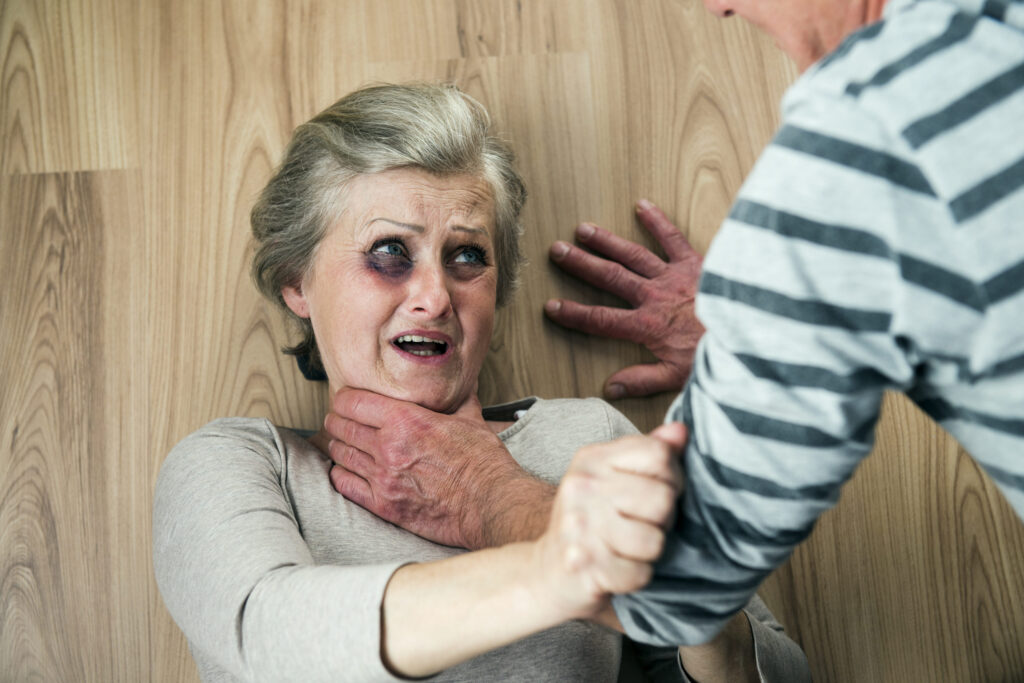
A fight over one issue can become destructive when unresolved history is suddenly dumped into it. Maybe the disagreement starts over tone, chores, time, or attention, but then old betrayals, past insults, and buried resentments get thrown in too. That changes the fight from something specific into something impossible to solve in one sitting. Instead of dealing honestly with one wound, the couple ends up reopening five others at once.
This habit quietly destroys trust because it tells your partner that nothing is ever really over. Even after apologies and progress, the past can still be pulled out as a weapon. That creates tension and emotional instability because one or both people start feeling that every disagreement is a trapdoor to old pain. Real repair requires properly addressing unresolved issues, rather than storing them for future use in unrelated fights.
Shutting down just to make the fight end

Some people attack during conflict, and others disappear emotionally. They go quiet, avoid eye contact, mumble short answers, or agree just to escape the discomfort. On the surface, that may look like peace, but it is usually not peace at all. It is withdrawal, and relationship experts have long warned that stonewalling can be one of the most damaging habits a couple develops because it blocks resolution and leaves both people feeling disconnected.
Shutting down may feel safer than speaking, especially when emotions are high. But silence used as a shield often leaves the other person feeling ignored, dismissed, or emotionally abandoned. The healthier move is not to fake calm or force instant closure. It is, honestly, to say you are overwhelmed and need a pause, while making it clear that the conversation is not over and the relationship still matters.