Electricity bills can be one of the most unpredictable expenses in a household, but understanding which appliances are responsible for most of the energy usage can provide you with the insight needed to reduce costs. By identifying the power-hungry devices in your home, you can implement changes that lead to both lower bills and a reduced environmental impact.
Let’s explore the top 10 appliances that consume the most electricity, how much they typically use, and what you can do to minimize their energy demands.
Air Conditioners
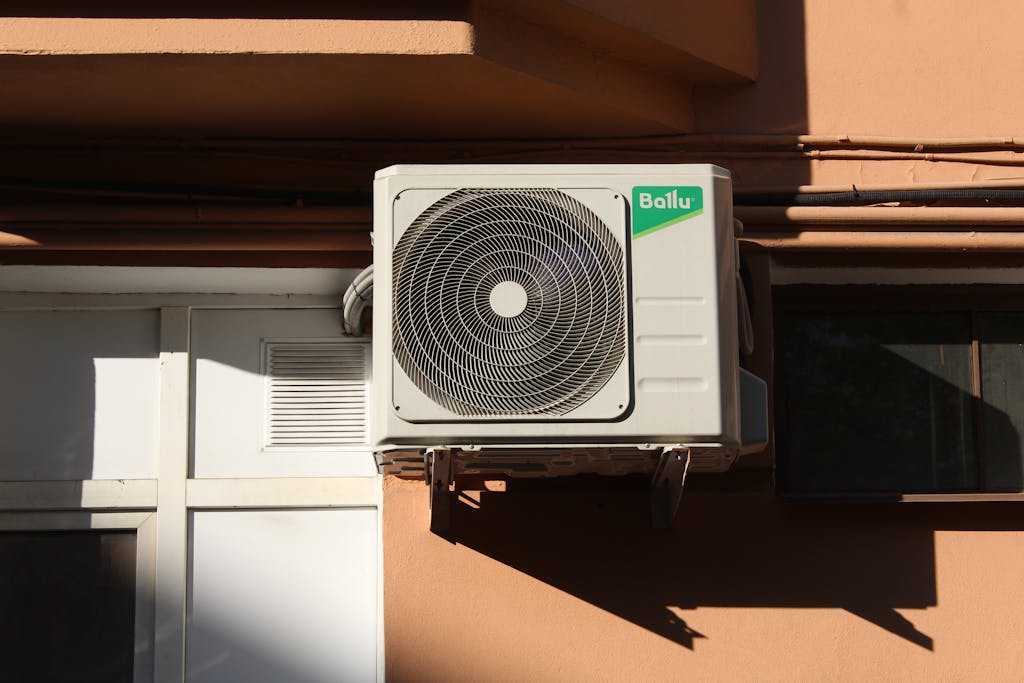
Air conditioners top the list of household energy consumers. These devices, especially during the hot summer months, can run continuously for hours, significantly increasing your energy consumption. Central air systems can use as much as 3,500 to 4,000 watts per hour, depending on the unit size and the cooling load required for your home.
Air conditioners work by removing heat from your home and releasing it outside, a process that requires significant energy. Older models, in particular, are less energy-efficient, leading to even higher electricity usage.
To address high air conditioning costs, consider investing in a more energy-efficient model with a high SEER (Seasonal Energy Efficiency Ratio). It’s also essential to maintain proper insulation and ensure that doors and windows are sealed, as this helps your air conditioning system run more efficiently. Adjusting your thermostat and using ceiling fans to circulate air can also help reduce the load on your air conditioner.
Water Heaters
Water heaters are another significant contributor to high electricity consumption. A typical electric water heater uses between 3,000 and 4,500 watts per hour to continuously heat and maintain water temperature for daily use. In colder climates, water heaters may run more frequently, further increasing energy demand.
Traditional tank water heaters keep water hot 24/7, resulting in standby heat loss even when hot water is not in use. This constant reheating process adds unnecessary strain to the unit’s energy consumption.
Switching to a tankless water heater can make a considerable difference. These systems only heat water when it’s needed, significantly reducing energy consumption. Additionally, lowering the thermostat to 120°F (49°C) prevents the water heater from working harder than necessary, helping save both energy and money.
Refrigerators
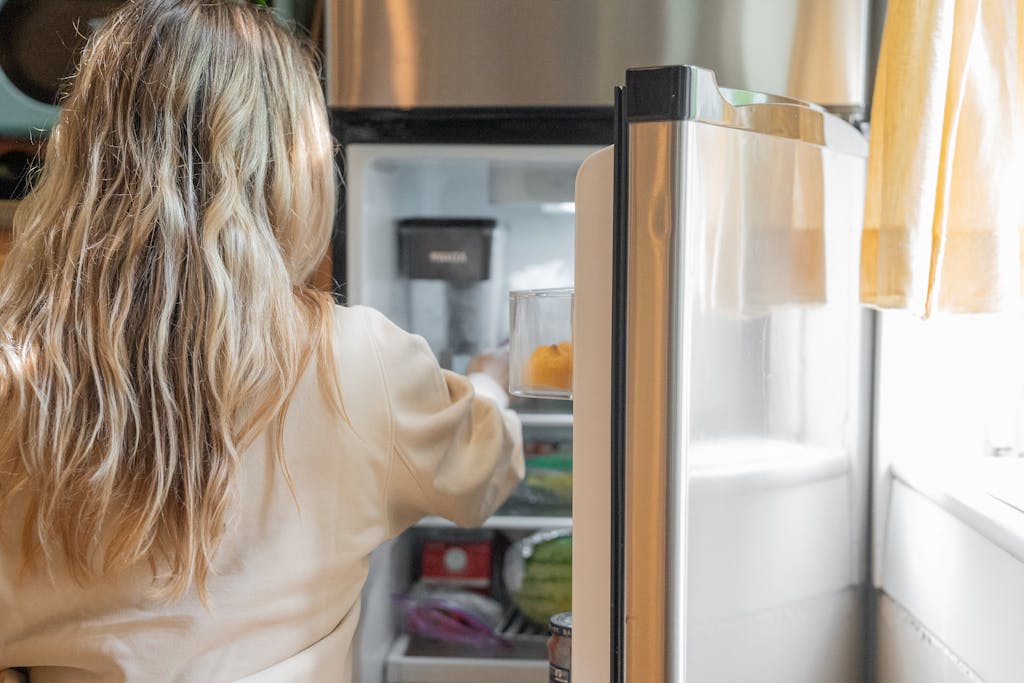
Your refrigerator is one of the few household appliances that operates 24 hours a day, 365 days a year. While modern refrigerators are designed to be energy-efficient, older models can consume 100-800 kWh annually, depending on their size, age, and usage. The constant need to maintain a cold temperature, combined with the compressor’s regular cycling, makes refrigerators a considerable power drain.
Energy-efficient refrigerators use advanced technology to regulate temperature, allowing them to consume significantly less electricity than older models. Keeping your fridge well-maintained by ensuring that the door seals are airtight and the coils are clean can also help reduce energy consumption. Setting the temperature between 37°F (3°C) and 40°F (4°C) optimizes energy use while still ensuring food safety.
Clothes Dryers
Clothes dryers are another appliance that can quickly rack up energy usage. Depending on size and usage frequency, dryers can consume up to 3,000 watts per hour. While they offer convenience, they also significantly increase your electricity bill, especially if you run multiple loads each week.
Since dryers use electricity to create hot air for drying clothes, they are particularly inefficient when compared to air drying. The power-intensive process of heating the air, combined with tumbling, makes this appliance one of the largest energy consumers in your home.
A better option to reduce dryer energy consumption is to use it only for full loads and select the appropriate drying cycle. You can also try line-drying clothes whenever possible to reduce dryer use. Using dryer balls and cleaning the lint filter regularly can further enhance your dryer’s efficiency.
Space Heaters
Space heaters are a quick way to warm up a room, but they are notorious for their high energy consumption. Most space heaters consume between 1,500 and 2,000 watts per hour, making them among the least energy-efficient heating solutions available. While they provide short-term comfort, the electricity costs add up when they are used frequently.
A common mistake with space heaters is leaving them on for long periods, which increases electricity consumption. Even though they are effective for spot heating, they are less efficient than central heating systems.
To reduce energy use, space heaters should only be used when necessary and for shorter periods. Make sure the room is properly insulated to retain heat, and try to limit the heater’s usage to areas where you spend most of your time, such as the bedroom or living room.
Dishwashers
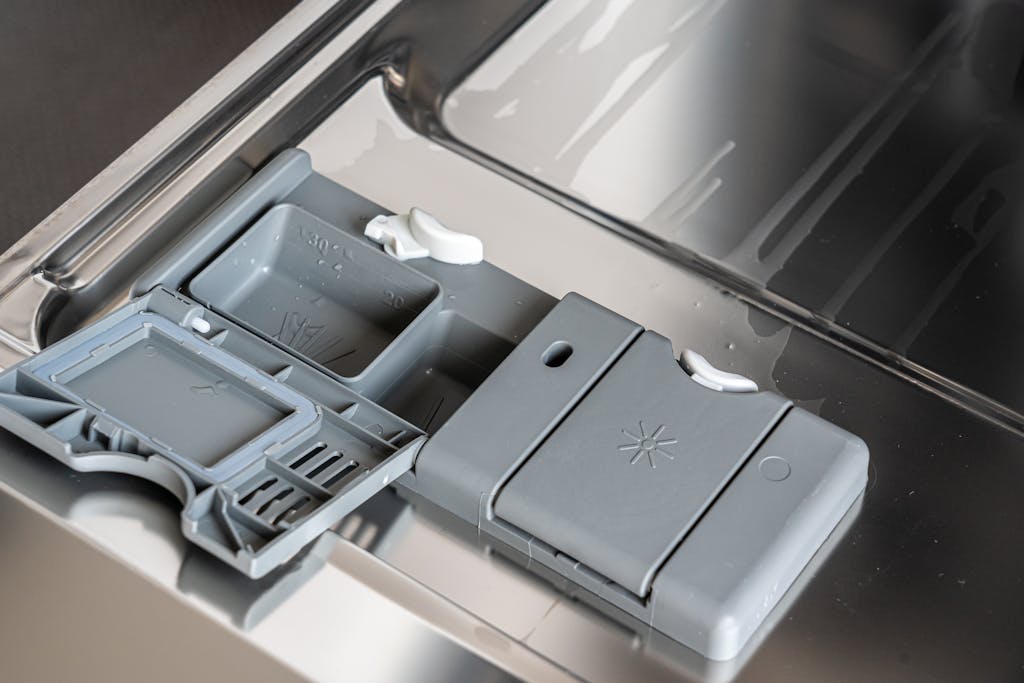
While dishwashers don’t always top the list of household energy drains, they can still be a significant contributor to your electricity bill. On average, dishwashers use between 1,500 and 2,000 watts per hour, especially when they use hot water for both washing and drying.
The energy consumption of a dishwasher can vary depending on the cycle and whether it’s set to use high-temperature water or a heated drying setting. If you’re using the dishwasher frequently or running smaller loads, you may be unknowingly increasing your energy expenditure.
Running the dishwasher with a full load and using the eco-mode or air-dry function can save both energy and water. Additionally, using a dishwasher at off-peak hours, when electricity rates may be lower, can help reduce costs over time.
Lighting
While it may not come to mind immediately, lighting is one of the appliances that can add up in terms of electricity consumption. Older incandescent light bulbs consume much more power than their modern counterparts. A 100-watt incandescent bulb, for instance, consumes 100 watts per hour, while an LED bulb of the same brightness uses only about 10 watts per hour.
Upgrading your home’s lighting to energy-efficient bulbs, such as LED or CFL, can save substantial energy in the long run. Since lighting runs daily, small adjustments can lead to noticeable changes in your electricity bill.
Electric Ovens
Electric ovens are essential for cooking, but come at a cost. An average electric oven uses around 2,000 to 5,000 watts per hour, depending on the cooking time and temperature. The intense heat required to cook food, particularly for longer periods, results in significant energy consumption.
To lower cooking costs, consider using a microwave or toaster oven for smaller meals, which typically use much less power. Also, when using an electric oven, try cooking multiple dishes at once to maximize the energy usage.
Televisions

Televisions are frequently on in many households, and while they are often underestimated in terms of energy use, they can consume a lot of electricity. Depending on the size and model, televisions can use anywhere from 100 to 400 watts per hour. With more people streaming shows and movies, TVs are frequently on for extended periods, contributing to high energy use.
Switching to an energy-efficient TV, such as an LED model, can reduce electricity consumption. Additionally, turning the TV off when it’s not in use and adjusting the brightness settings can help conserve energy.
Vacuum Cleaners
Vacuum cleaners are often an overlooked source of high energy consumption. While they are only used for short bursts, they can consume up to 1,000 watts per hour. Frequent use of powerful vacuums, especially those with high-power motors, adds up over time.
Choosing an energy-efficient vacuum cleaner with a high-efficiency motor can help reduce power consumption during cleaning. For regular maintenance, ensure the vacuum filter is clean and the vacuum is in good condition.