Owning a boat can seem like a dream come true. Imagine cruising the open waters on a sunny day, enjoying freedom and adventure at every turn. But the reality of boat ownership is often not as glamorous as it may seem. While the idea of a boat can stir excitement, the hidden costs, responsibilities, and practical concerns can make owning one a difficult and expensive decision.
True Costs of Boat Ownership
Boats are often marketed as affordable, fun toys that can provide years of enjoyment. However, the financial commitment of owning a boat is often far higher than most people expect. Beyond the initial purchase price, boat owners face a range of ongoing expenses that can quickly add up.
Maintenance is one of the highest hidden costs. Boats require regular check-ups, especially for the engine, hull, and electrical systems. A routine maintenance schedule may involve cleaning, waxing, and replacing parts that wear out over time.
Fuel is another major expense. Unlike cars, boats are notoriously fuel-hungry, especially larger models and those used for water sports like wakeboarding or fishing. The cost of fueling a boat can range from hundreds to thousands of dollars per year, depending on how frequently you use it and how large the boat is.
Limited Time on the Water
While owning a boat might sound exciting, most boat owners find that they don’t use their vessels nearly as often as they initially thought. There are many reasons for this, with one of the most significant being weather conditions. In colder climates, boat use is often limited to just a few months of the year. Even in warmer regions, seasonal weather conditions like storms, high winds, or heavy rain can force boat owners to delay or cancel their trips.
Furthermore, boating is not as simple as hopping into a car and driving off. Each outing requires preparation, cleaning the boat, checking the equipment, ensuring the engine is working properly, and loading supplies.
Depreciation
One of the stark realities of boat ownership is how quickly boats lose their value. Unlike real estate or certain other assets, boats typically depreciate rapidly after purchase. As soon as you drive a boat off the lot, its value starts to drop. This is particularly true for new boats, which can lose up to 20% of their value within the first year.
The resale value of a boat is affected by numerous factors, including its age, condition, and market demand. While some premium boats may hold value better than others, most boats will not retain enough value to make them a good long-term investment. This means that if you decide to sell your boat in a few years, you might not get anywhere near the amount you originally paid for it.
Environmental Impact of Boat Ownership
Boats, especially those powered by gasoline or diesel engines, contribute to environmental pollution. The fuel most boats use emits carbon dioxide, which contributes to global warming and air pollution. In addition, boats can cause water pollution through fuel spills, oil leaks, and the disposal of sewage and waste.
While newer boats may be more environmentally friendly, the reality is that boating is inherently resource-intensive. Many boat owners are unaware of the environmental impact their boats have, particularly in waste management. Even though many marinas and boating areas provide waste-disposal facilities, improper disposal and leaks can still harm ecosystems.
Time Commitment of Boat Maintenance
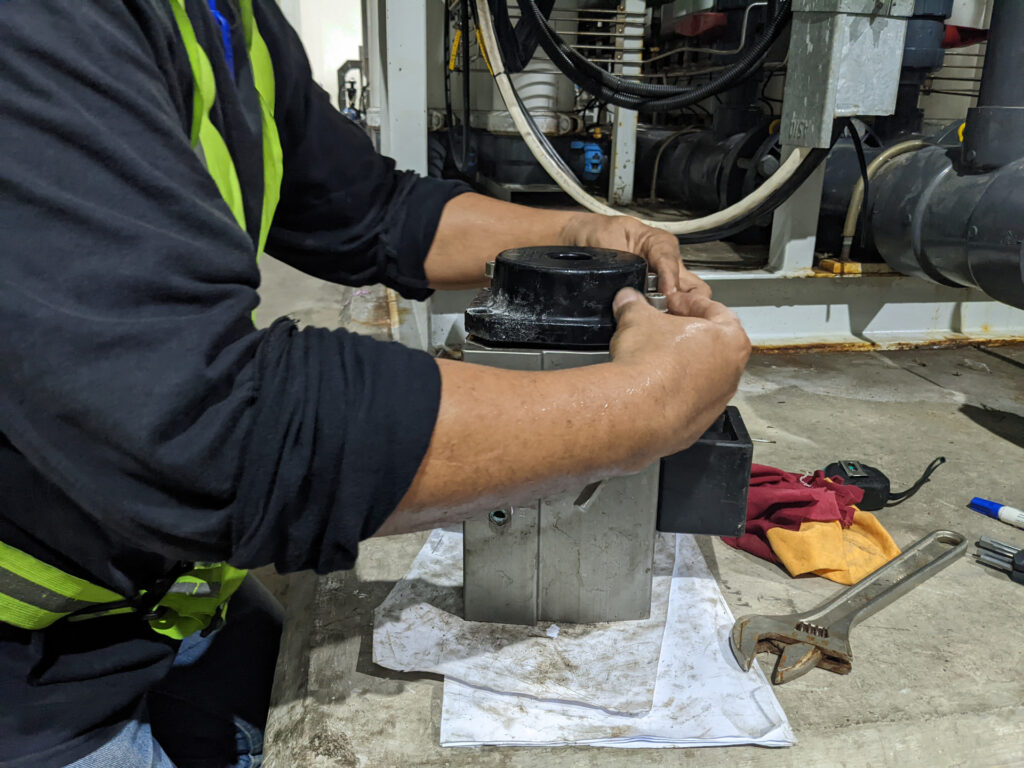
Maintaining a boat is a time-consuming responsibility. Regular upkeep is necessary to ensure the boat remains safe, functional, and in good condition. This includes engine maintenance, hull cleaning, battery checks, and ensuring all safety equipment is up to code.
Boats also require seasonal care. During the off-season, particularly in colder climates, boats need to be properly winterized to prevent freezing damage. This can involve draining water systems, removing batteries, and covering the boat to protect it from the elements. When spring rolls around, you’ll need to de-winterize the boat, which can be a lengthy and costly process.
Safety and Liability Concerns
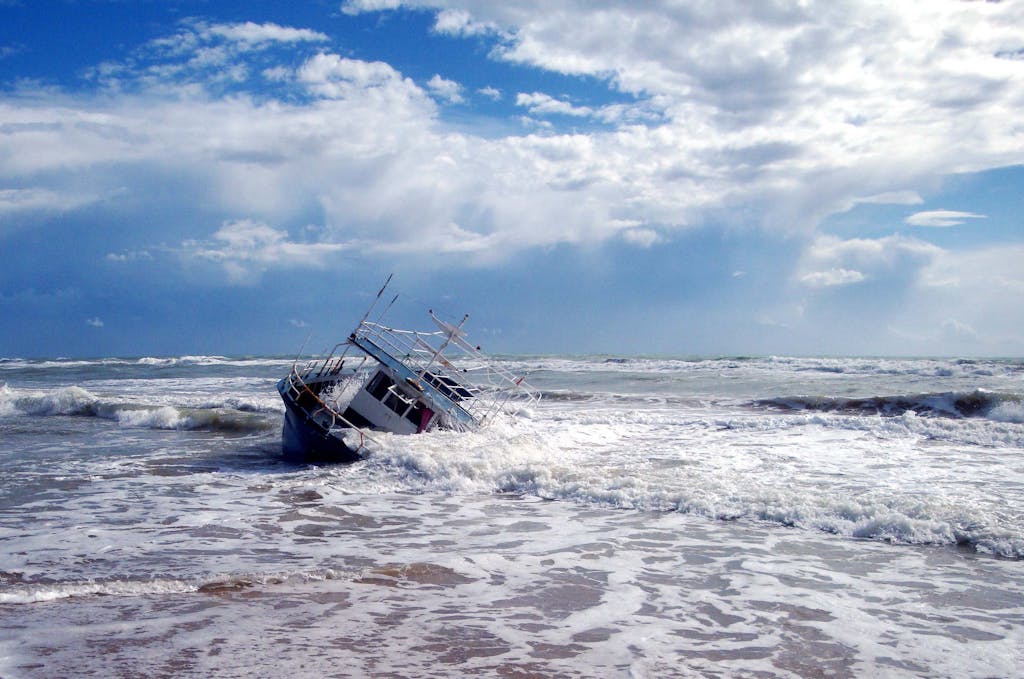
Boating comes with inherent risks for both the owner and others on the water. According to various safety reports, boating accidents are a leading cause of injury and death. Even experienced boaters can be involved in accidents caused by poor weather, mechanical failure, or other boaters’ negligence.
As a boat owner, you’re responsible for ensuring the safety of your passengers and everyone else on the water. This includes having proper safety equipment on board, such as life jackets, flares, fire extinguishers, and first-aid kits. Failing to meet safety regulations can lead to fines or even legal action.
Storage Challenges
One often-overlooked aspect of owning a boat is storage. Boats are large, bulky, and difficult to store. If you don’t have a marina nearby or access to dry storage, you’ll need to find a place to store your boat during the off-season. This can involve renting a storage unit, which can be quite expensive, or finding space at home, which may not always be feasible, especially if you live in a city or have limited yard space.
Storage space for boats is limited, and in many areas, demand for marina slips or dry storage is high, making it difficult to find a place to park your boat. In highly sought-after boating locations, this can result in significant waiting lists and expensive fees for a spot to store your boat.