City living: it’s a dream for many, but it comes with challenges that are often swept under the rug. Yes, the allure of bustling streets, endless entertainment, and vibrant communities sounds enticing, but the reality can be far different.
City life, while exciting, can quickly overwhelm you if you’re not prepared for the pitfalls that many people fail to recognize at first. It’s easy to get caught up in the charm, but here are 8 uncomfortable truths about city living that might make you think twice before taking the plunge.
Sky-High Costs That Don’t Always Match the Perks

Moving to the city often means paying a hefty price tag for the “privilege.” The cost of living, from exorbitant rent prices to inflated grocery bills, can leave your wallet gasping for air. Sure, the location is prime, but that convenience comes at a steep cost.
Cities are notorious for high housing costs, and the further you go toward the city center, the more you’ll pay for less space.
Many people mistakenly believe that living in the city guarantees a luxurious lifestyle, but in reality, it may just lead to living paycheck to paycheck.
The Uncomfortable Truth: The real cost of city living isn’t just about rent; it’s about the lifestyle you think you’re signing up for. Many newcomers quickly find themselves sacrificing basic needs to maintain the “city dream.”
Solution: Before making the leap, consider all the hidden expenses, such as transportation, groceries, and entertainment costs that stack up. Find a neighborhood that offers better value without compromising your financial health. And remember, a larger living space in a less central location might actually give you a higher quality of life.
Small Spaces, Big Mental Toll
It’s one of the most common city living myths: small spaces are totally manageable. But what people often fail to account for is the mental toll of cramped living quarters.
Apartments in the city may offer convenient access to everything you need, but they often come with significantly less space. What seems like a cozy, minimalist dream can quickly feel like living in a shoebox, and you might start to feel claustrophobic after a while.
The Uncomfortable Truth: The city’s compact living spaces can stifle your mental well-being. What starts as a small inconvenience can escalate into constant frustration, especially when you feel trapped in an environment that isn’t conducive to relaxation.
Solution: Don’t buy things just to fill space. Use smart storage and multifunctional furniture to maximize vertical space. If space still feels tight, seek a larger, more affordable apartment elsewhere.
Constant Noise
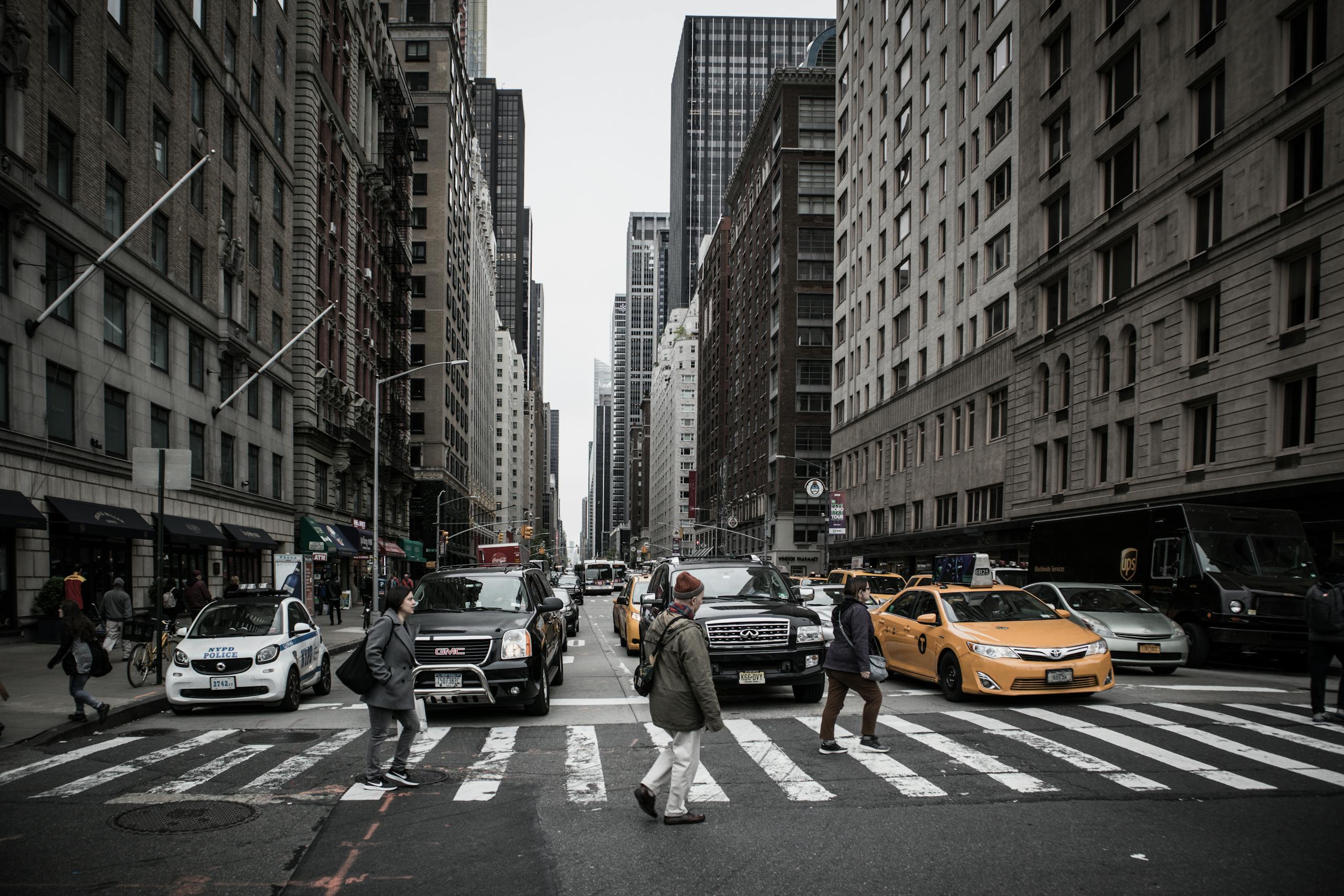
Think you can handle the city’s hum? Think again. The reality of constant noise in urban areas is often understated. From the never-ending honking of car horns to the sounds of construction at dawn, city noise can severely affect your quality of life. The toll it takes on your ability to concentrate, sleep, and unwind is often underestimated.
The Uncomfortable Truth: Noise pollution in the city isn’t just an inconvenience; it’s a serious health risk. Studies show that constant exposure to urban noise can lead to stress, sleep deprivation, and even cardiovascular problems.
Solution: Invest in noise-canceling headphones or soundproofing solutions for your home. If you’re particularly sensitive to noise, consider living in quieter neighborhoods, away from major roads and nightlife districts.
Public Transportation
While public transportation is often touted as the most convenient way to navigate a city, it’s not all it’s cracked up to be. From delayed trains to overcrowded buses, using public transport can quickly become an exercise in patience.
The expectation of a quick, stress-free commute is often replaced with a grim reality of waiting, pushing through crowds, and dealing with delayed schedules.
The Uncomfortable Truth: Public transport isn’t as reliable as it seems. And when it’s packed, dirty, or delayed, the time you thought you’d save by avoiding traffic is just time lost to frustration.
Solution: Plan ahead and leave extra time for travel. If possible, consider alternative methods like biking or walking for shorter distances. A bike or scooter rental can be a game-changer for dodging the daily transport chaos.
Limited Access to Green Spaces
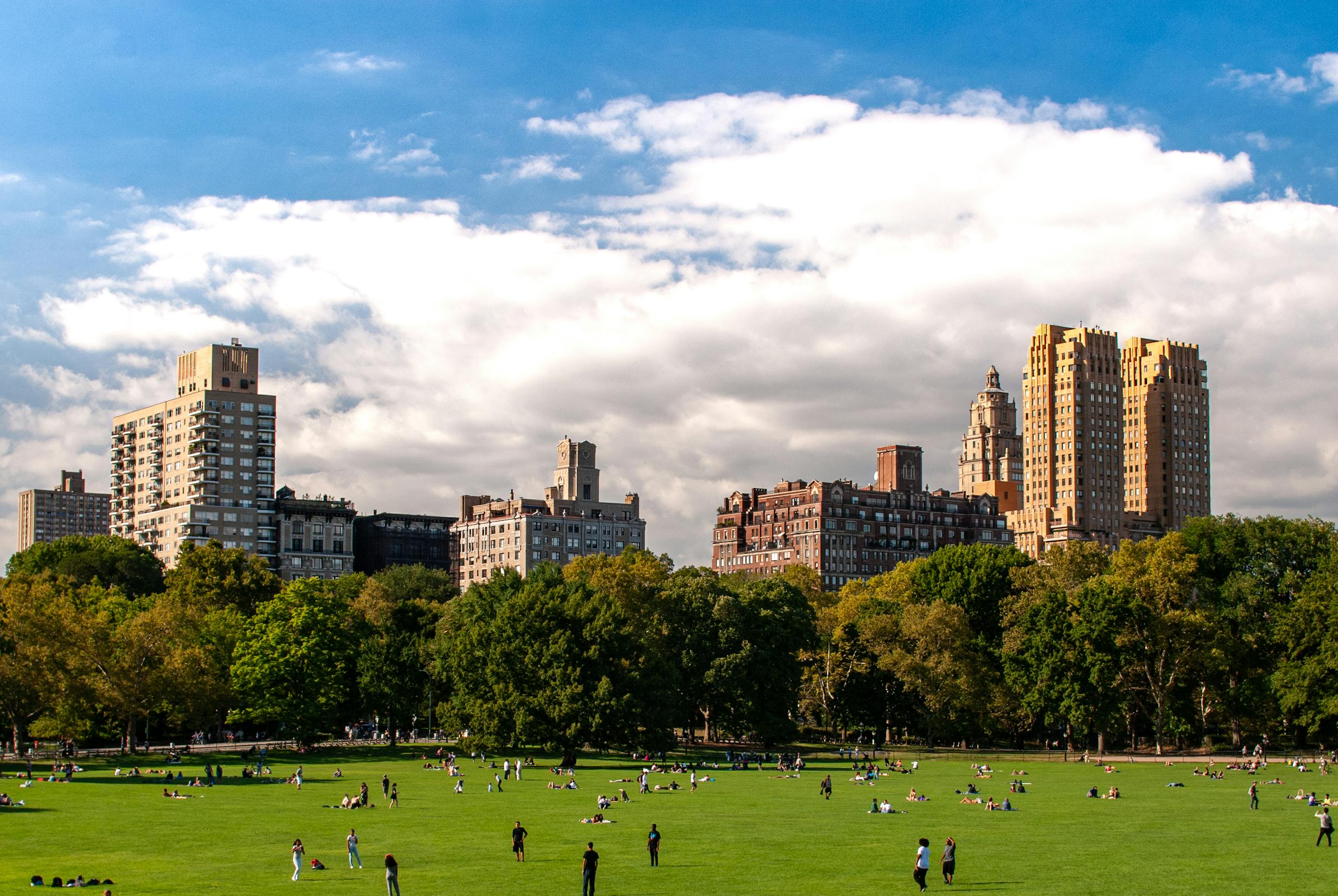
City life offers the convenience of living near everything, but it often lacks access to green, open spaces. While parks are dotted throughout most cities, they can be overcrowded, poorly maintained, or too far from your apartment to make a meaningful escape. Without easy access to nature, the concrete jungle can start to feel suffocating.
The Uncomfortable Truth: The lack of natural environments can make city living feel stifling, especially if you’re someone who thrives on outdoor activities. The constant concrete and pavement can create a sense of disconnection from nature.
Solution: Seek out hidden parks or community gardens in less touristy parts of the city. Take advantage of the weekends to escape to nearby nature reserves or plan hiking trips outside the city to recharge.
Overstimulation Leading to Burnout
The constant buzz of city life can be invigorating at first, but over time, the overstimulation of noise, crowds, and endless activity can lead to burnout. There’s always something going on, and the constant desire to keep up with the latest trend or event can leave you mentally and physically drained.
The Uncomfortable Truth: The fast-paced nature of the city can be overwhelming, leading to decision fatigue , social burnout, and stress. While you think you’re thriving, your body and mind may be silently protesting.
Solution: Learn to set boundaries. It’s okay to say no to every invitation and opt for a quiet night in. Prioritize your mental health by taking breaks from the hustle, scheduling downtime, and practicing mindfulness.
Social Isolation

One of the great ironies of city living is that while you’re constantly surrounded by people, you may feel more isolated than ever. With busy schedules, transient populations, and endless distractions, it’s easy to feel like just another face in the crowd.
The fast pace often makes it difficult to build meaningful relationships, and the anonymity of the city can leave you feeling lonely despite being in the heart of activity.
The Uncomfortable Truth: The city can be an emotionally lonely place if you’re not proactive about creating social connections. Without a solid community, you’ll find yourself feeling disconnected, despite all the people around you.
Solution: Take the initiative to join local groups or attend meetups based on your interests. Building meaningful relationships takes time, so invest in creating a strong network of like-minded individuals.
The Illusion of Safety
Many people believe that living in a city is safer because of the abundance of services and police. However, in many urban environments, crime rates remain high, and police presence doesn’t always guarantee protection. The constant exposure to unfamiliar environments and people can lead to a false sense of security.
The Uncomfortable Truth: Cities can be dangerous, especially if you’re not aware of your surroundings. Many neighborhoods experience higher crime rates, and newcomers often overlook the risks to personal safety.
Solution: Always stay alert. Know your route, avoid poorly lit areas, and trust your instincts. It’s also important to research neighborhood safety before moving in and to keep emergency numbers on speed dial.
Conclusion
City life is often glamorized, but the realities can be harsh if you’re not prepared. From high costs and small living spaces to noise and social isolation, the downsides are significant. But don’t be discouraged—the city can still be an amazing place to live if you’re proactive in addressing these challenges.
The key is balance. Take the time to understand the realities of urban life, and make conscious decisions that work for you. After all, the city isn’t going anywhere, but with the right approach, you can make it your own.
Are you ready for city life, or do these downsides make you reconsider? Share your thoughts and experiences in the comments.