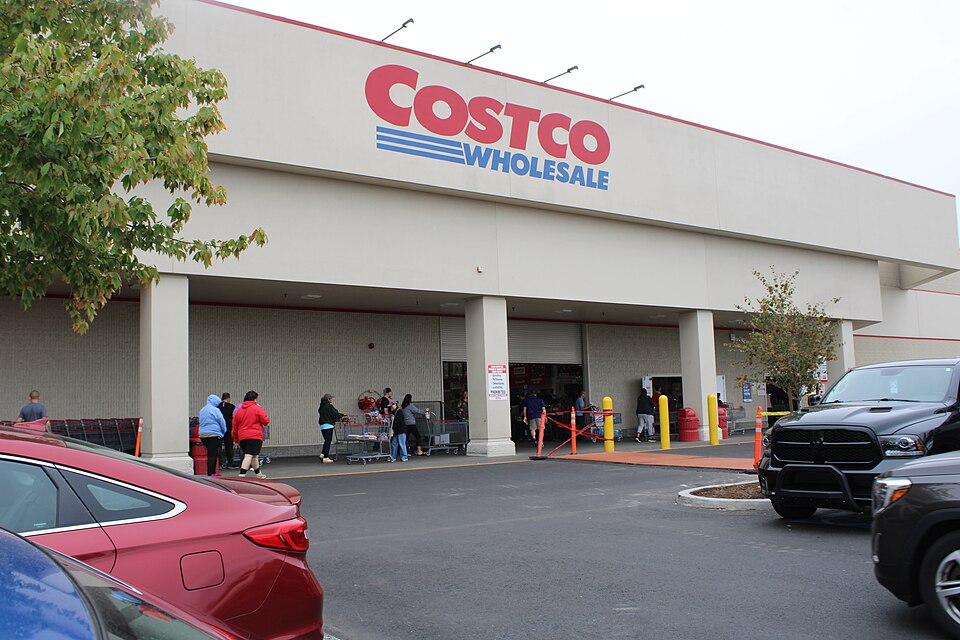
The Costco hot dog is more than a cheap meal; it’s a cultural icon. Its $1.50 price for a hot dog and drink is a famous retail value. Many shoppers see the food court as a destination, with the hot dog as its crown jewel, steady in price despite inflation and supply challenges.
This beloved meal has survived the test of time. The deeper you dive into its history, the more intriguing it becomes. From humble beginnings to dominating Costco’s food court, the hot dog is far more than just a snack. Its staying power is due to great taste, consistent pricing, and strategies that have kept it relevant for decades.
The decision to make the hot dogs itself.
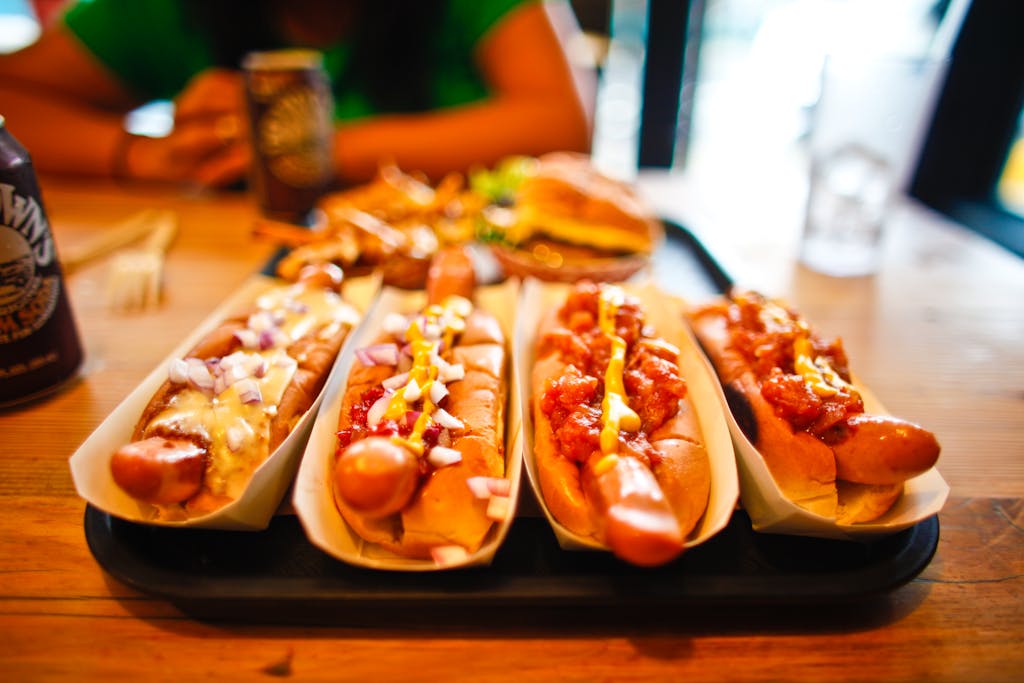
Early on, Costco used external suppliers, including Hebrew National, for hot dogs. These offerings made the food court popular for quick meals, but the company soon saw that relying on outside suppliers was unsustainable. Supplier price fluctuations could raise meal costs and strain Costco’s pricing model.
Costco decided that to truly keep control over both quality and cost, it needed to start producing the hot dogs itself. This decision would not only allow the company to ensure consistent quality but also keep production costs lower than they would be if it continued working with an external supplier. This shift was the first step toward creating Costco’s own food brand, ensuring that customers would enjoy a high-quality, affordable meal each time.
The famous $1.50 price dates to 1985
The $1.50 price for the hot dog and soda hasn’t changed since 1985. It is now one of the most famous pricing strategies in retail history. Costco’s founders kept the price steady to build loyalty and encourage more in-store spending. Decades later, $1.50 still symbolizes Costco’s commitment to value for its members.
Despite inflation and rising food costs, Costco has kept its hot dog combo at $1.50. This consistency is part of the company’s identity and reinforces the brand’s trust. Amid rising prices, Costco’s hot dog remains a beacon of affordability.
The current CEO just doubled down on keeping it there.
As of 2026, Costco CEO Ron Vachris has reiterated the company’s commitment to keeping the price at $1.50. This affirmation responds to ongoing pressure from inflation and supply chain issues. By making the $1.50 hot dog a constant, Vachris reassures customers and strengthens the brand’s reputation as a champion of value in an increasingly expensive world.
This decision highlights just how important affordable prices are for Costco’s loyal customers. With food costs and inflation rising, Vachris’s position is bold. It reinforces Costco’s brand and positions the company as reliable for budget-minded shoppers. The $1.50 hot dog is also a strong marketing tool for Costco’s value-driven image.
Inflation says it should cost far more by now.

If Costco’s hot dog combo had kept pace with inflation, it would now cost closer to $4.65, according to analysts. The $1.50 price tag stands in stark contrast to the general trend in food pricing, especially for similar items. Despite rising ingredient and production costs, Costco has resisted the urge to raise prices, keeping its food court options affordable for all members.
The gap between $1.50 and the price it could be shows Costco’s value strategy. As prices on essentials keep rising, the $1.50 combo has become a symbol of Costco’s commitment to unbeatable value. This model helps Costco stand out and keep a loyal customer base.
It is almost as old as Costco itself.
Costco opened in 1983. The hot dog followed soon after, with the first food court hot dog cart launching just one year later. By 1985, Costco had introduced its now-iconic $1.50 hot dog and soda combo. That cemented it as a staple in the company’s food court. The hot dog was about more than feeding people—it was about offering an experience shoppers would return for.
The hot dog quickly became part of Costco’s core operations as the brand grew. Shoppers became loyal members. The hot dog was more than just a meal; it was a key part of the Costco lifestyle. The combo helped build Costco’s reputation for delivering high quality at unbeatable prices. That value has stuck ever since.
Bringing production in-house changed everything.
Costco took over production in 2008. It opened its own meat-processing facility to make hot dogs and other food court items. This allowed Costco to control production from sourcing to processing. As a result, it could directly manage the price and quality of the hot dog. By keeping production in-house, Costco eliminated the middleman. It ensured members would always have access to fresh, high-quality franks at an affordable price.
This change also affected Costco’s broader food strategy. It enabled the company to innovate and control its supply chain. This, in turn, helped it uphold its promise to provide affordable, high-quality food. The move cemented Costco’s position as a leader in both retail and food service, with a model others have struggled to replicate.
The dog is not a tiny throwaway frank
Costco’s hot dogs are larger than the average fast-food hot dog. Each weighs about a quarter-pound, making them much bigger than standard snack-sized franks. The size is a major part of their appeal, offering more value than most fast-food options.
The larger size shows Costco’s commitment to giving visible value. With each hot dog, you get a meal, not just a snack. Smaller, less filling offerings from other retailers don’t compare. The Costco hot dog stands out for portion and satisfaction.
The ingredients are part of the appeal.
Costco’s commitment to quality is clear in its hot dog ingredients. The company uses USDA Choice beef in its Kirkland Signature hot dogs. Many customers notice the quality and taste. These hot dogs are gluten-free and contain no corn syrup, phosphates, or fillers. This makes them a cleaner, healthier option than some other fast-food hot dogs.
Ingredient quality doubles as a subtle marketing tool, positioning Costco’s food as affordable and high-quality. Using premium ingredients, Costco differentiates its hot dogs from lower-quality options while keeping prices competitive. This attention to detail makes the hot dog combo feel like a better value than similar fast-food offerings.
The combo grew over time, not shrunk.
Unlike many retailers that shrink portion sizes to cut costs, Costco keeps increasing the size of its hot dog combo. What began as a modest meal is now a quarter-pound frank with a 20-ounce soda. This larger meal shows Costco’s commitment to providing more value while keeping its original price.
Members see this size increase as another example of Costco giving more. Shoppers know a $1.50 hot dog truly satisfies hunger. The large portion size makes it one of the best deals. It keeps members coming back.
The soda side has had its own dramatic history.
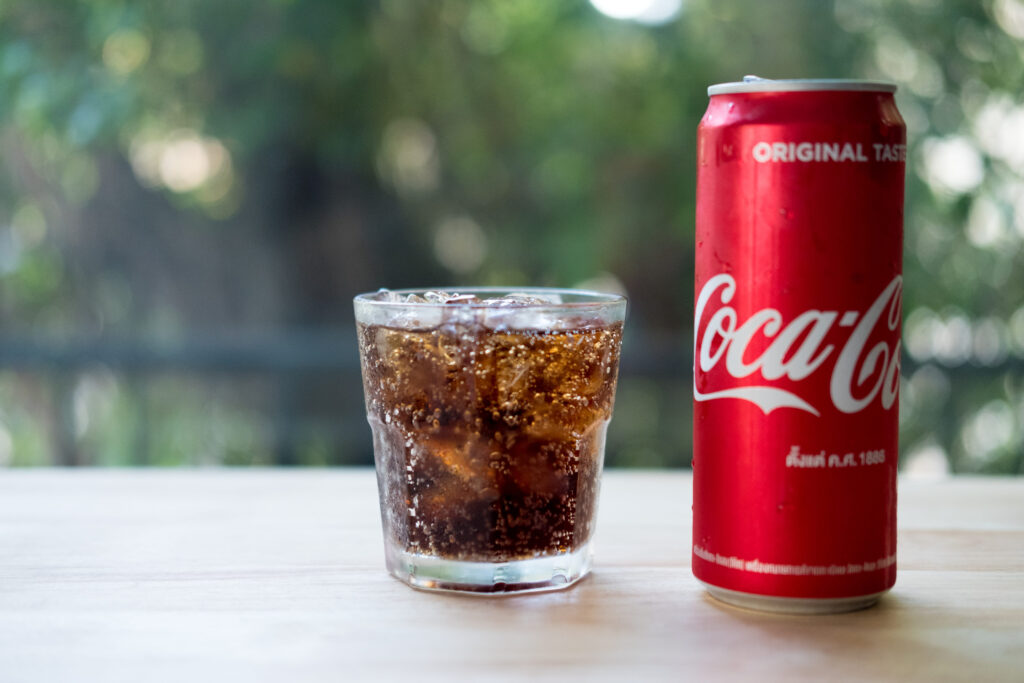
Costco switched soda suppliers from Coca-Cola to Pepsi in 2013, making headlines. But in 2025, the real news was Costco’s return to Coca-Cola, starting then and finishing in 2026. This move preserved the $1.50 combo’s value and broadened drink appeal.
The switch back to Coca-Cola fits into Costco’s strategy to maximize customer satisfaction. Pepsi products may have been cheaper, but Costco saw that returning to Coca-Cola would likely resonate more with customers who are accustomed to its taste. It’s a small change, but it highlights Costco’s focus on keeping its food court relevant and appealing.
This is not a niche menu item; it sells on a staggering scale.
The Costco hot dog combo is more than food; it’s a phenomenon. In fiscal 2025, Costco sold 245.1 million hot dog-and-soda combos globally , over 670,000 per day , a volume that puts the combo in a league of its own.
This high sales figure speaks to the popularity of Costco’s food court, which continues to draw in customers who may not even be shopping for groceries. The hot dog has become a key part of the Costco experience, and its massive sales numbers show just how integral it is to the company’s brand. With such high demand, it’s clear that the hot dog is not just a meal, it’s a vital piece of Costco’s retail ecosystem.
It works because it is more than a snack; it is a strategy.

Costco’s food court is designed with a purpose beyond just filling stomachs, it’s part of a larger strategy to enhance the shopping experience. The hot dog combo, in particular, serves as a loss leader: a product sold at a very low margin to entice customers into the store. By offering such a great deal, Costco encourages shoppers not only to visit but also to stay longer and buy more items in the warehouse.
This strategy aligns with Costco’s broader vision of providing customers with a complete experience. The hot dog isn’t just something to eat while you shop; it’s a reason to stick around. In this way, the Costco hot dog combo is a key component of the store’s strategy to maximize foot traffic, increase membership renewals, and build customer loyalty.
The hot dog has become a symbol of trust.
What makes the Costco hot dog so special is that it represents the trust customers place in the company. While many other retailers have jacked up food prices over the years, Costco’s refusal to raise hot dog prices has created a deep emotional connection with its customers. Shoppers appreciate that they can count on Costco to maintain consistency, even when everything else seems to be increasing in cost.
This trust extends beyond just the food court. Costco’s commitment to its $1.50 hot dog reinforces the company’s broader reputation for value and reliability. In a world where prices are constantly on the rise, Costco stands as a rare retailer that has found a way to deliver high-quality products without raising prices, and the hot dog is the ultimate symbol of that dedication.
Even the mythology around it helps the brand.
Over the years, the Costco hot dog has become a symbol of retail resilience, inspiring everything from memes to entire social media threads dedicated to its legend. This mythology has turned the hot dog into more than just a meal; it’s now a cultural icon that embodies Costco’s no-nonsense approach to business. People talk about the hot dog with reverence, and in turn, that discussion only reinforces Costco’s brand image.
This growing mythos has helped propel the Costco hot dog into pop culture. It’s no longer just a food item; it’s a talking point that fans and customers use to connect with each other and with the brand. The Costco hot dog has become something you don’t just eat; you experience it, and that’s a powerful marketing tool.
It still feels like one of the smartest deals in retail.
In the end, the Costco hot dog combo endures because it is more than just a product. It’s a deal that feels too good to be true, yet it’s completely real. At $1.50, the hot dog remains one of the best bargains in retail, making it a cornerstone of Costco’s food court and a reason why customers keep coming back.
The simple genius of the hot dog combo is its ability to satisfy customers both physically and emotionally. It’s not just about the price, it’s about how that price reinforces everything Costco stands for: value, consistency, and trust. The hot dog will likely continue to thrive, proving that sometimes the best ideas are the simplest ones.