When it comes to fitness, everyone seems to have an opinion, but not all of those opinions are rooted in science. Whether it’s gym-goers, fitness influencers, or even well-meaning friends, misconceptions about exercise have persisted for years. It’s crucial to separate myth from fact to ensure you’re following a routine that supports your health goals. Here, we’ll bust 10 of the most common workout myths that could be sabotaging your progress.
Lifting Heavy Weights Makes Women Bulky
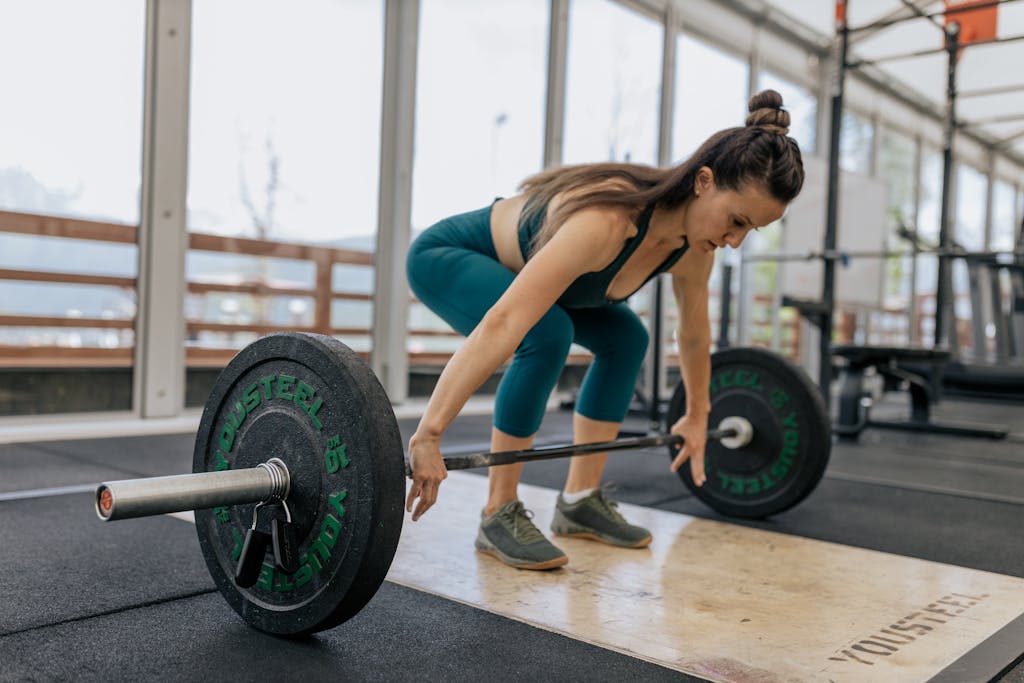
One of the most pervasive myths in the fitness world is that lifting heavy weights will make women bulky. This idea stems from a misunderstanding of how muscle growth works, especially in women. The reality is that women generally have lower levels of testosterone than men, which means it’s harder for them to bulk up like their male counterparts.
Instead, lifting heavy weights can help women achieve lean, toned muscles, increase metabolism, and improve overall strength. In fact, strength training can be more effective than cardio for fat loss because it builds muscle, which naturally raises the resting metabolic rate.
Work Out Every Day to See Results
Many believe that daily workouts are necessary for seeing fitness gains. While consistency is important, rest is equally vital. Muscles need time to recover and rebuild after each workout session, especially after intense strength training. Overtraining without sufficient rest can lead to burnout, increased risk of injury, and slower progress.
The truth is, quality matters more than quantity. Most people can see substantial improvements with three to five workouts a week, with adequate rest days in between. Incorporating rest and active recovery days will ensure long-term fitness progress.
Cardio is the Best Way to Lose Weight
Cardio has long been hailed as the ultimate fat-burning exercise, but it’s not the only way to shed pounds. While cardio does burn calories during the workout, strength training offers significant benefits that lead to long-term fat loss. Building muscle through resistance training boosts metabolism, leading to a higher calorie burn even when you’re not working out.
A balanced approach that includes both strength training and cardio is the most effective for weight loss. Strength training will increase lean muscle mass, while cardio will help you burn fat during the workout. Together, they’ll help you achieve better results.
Stretching Before Exercise Prevents Injury

Stretching has long been considered a way to prevent injuries, especially before exercise. However, static stretching (holding stretches for a long period) before a workout can actually weaken muscles and impair performance. Research has shown that dynamic stretches, such as leg swings or arm circles, are more effective in preparing the muscles for activity.
The best practice is to perform dynamic stretches to warm up the body and reserve static stretching for the cool-down phase. This approach helps increase flexibility without compromising strength or performance.
More Sweat Equals a Better Workout
Many people believe that the amount they sweat during a workout directly correlates with the quality or intensity of their exercise. While it’s true that sweating is the body’s natural response to cooling down, it doesn’t necessarily mean you’re burning more calories or getting a better workout.
Factors such as temperature, humidity, and your individual physiology can all affect how much you sweat. What’s more important is the effort you put into your workout, the intensity of the exercise, and how well it aligns with your fitness goals.
Have to Be in Pain to See Results

It’s a common misconception that if you’re not in pain after a workout, you’re not working hard enough. However, pain is not a reliable indicator of a good workout. Soreness, or delayed-onset muscle soreness (DOMS), occurs due to microtears in muscle fibers, but this doesn’t mean you need to experience it to see progress.
Instead of focusing on pain, pay attention to how you feel during and after your workouts. A proper workout should leave you feeling energized, not debilitated. Consistency, proper form, and gradual progression are the keys to success, not excessive pain.
You Can Spot-Reduce Fat
Many people believe that they can target fat loss in specific areas of the body by doing exercises that work those areas. For example, doing endless crunches in hopes of losing belly fat. Unfortunately, spot reduction is a myth. Fat loss occurs uniformly throughout the body, not in specific areas.
The most effective way to reduce fat is through a combination of full-body exercises, strength training, and a balanced diet. This will help you reduce overall body fat, including in areas where you want to see the most change.
Not Getting Results Means You’re Not Working Hard Enough
It’s easy to fall into the trap of thinking that harder, longer workouts are the key to faster results. In fact, pushing yourself too hard without proper recovery can hinder your progress. Overtraining increases the risk of injury, fatigue, and burnout, ultimately making it harder to stick to your fitness routine.
The key is to work smart, not just hard. Incorporating progressive overload, a balanced workout regimen, and adequate rest will help you achieve better results over time without burning out.
Avoid Carbs to Lose Weight

Low-carb diets have been all the rage for years, but cutting out carbs completely can be detrimental to your energy levels and overall performance. Carbohydrates are the body’s primary source of energy, and they are particularly important for fueling workouts, especially high-intensity exercise.
Rather than cutting carbs entirely, focus on the quality of carbs you consume. Whole grains, fruits, and vegetables provide essential nutrients and fiber. Balancing your intake of healthy carbs, proteins, and fats will keep you fueled and energized for workouts while supporting overall health.
Machines Are Better Than Free Weights for Beginners
Many beginners are often advised to start with machines, thinking they’re safer and easier to use than free weights. While machines can help isolate specific muscles, they don’t engage stabilizing muscles as effectively as free weights do. Free weights require more coordination and balance, helping to build functional strength.
Beginners can benefit from using a mix of both free weights and machines. Machines can be useful for learning proper form, but free weights should be incorporated into the routine as you gain confidence and experience. This balanced approach will help develop overall strength and functional fitness.