Growing older is a natural part of life, but growing old alone can lead to loneliness, health issues, and emotional struggles. Here are the six hard truths about aging alone and facing the realities of senior loneliness.
The Reality of Loneliness and Isolation

As we age, our social circles tend to shrink. Friends may pass away, children may move out, and work-related social connections may fade. Loneliness and isolation can be emotionally draining, affecting mental health and well-being. According to the World Health Organization, social isolation among older adults can increase risks of depression and anxiety.
The Health Risks of Aging Alone
When a person lives alone, minor health issues can quickly escalate into serious problems. Without someone close by to notice symptoms or offer help, health risks become harder to manage. Research from the National Institute on Aging shows that loneliness and social isolation are linked to higher risks of heart disease, cognitive decline, and other serious health conditions.
Financial Pressures in Later Life

Aging alone can bring significant financial burdens. Without the support of a partner or family, managing living expenses, healthcare costs, and daily needs can be overwhelming. Studies by the National Council on Aging reveal that a large portion of older adults living alone face economic insecurity. Many struggle to make ends meet, which can impact their quality of life and overall well-being.
The Emotional Toll of Living Alone
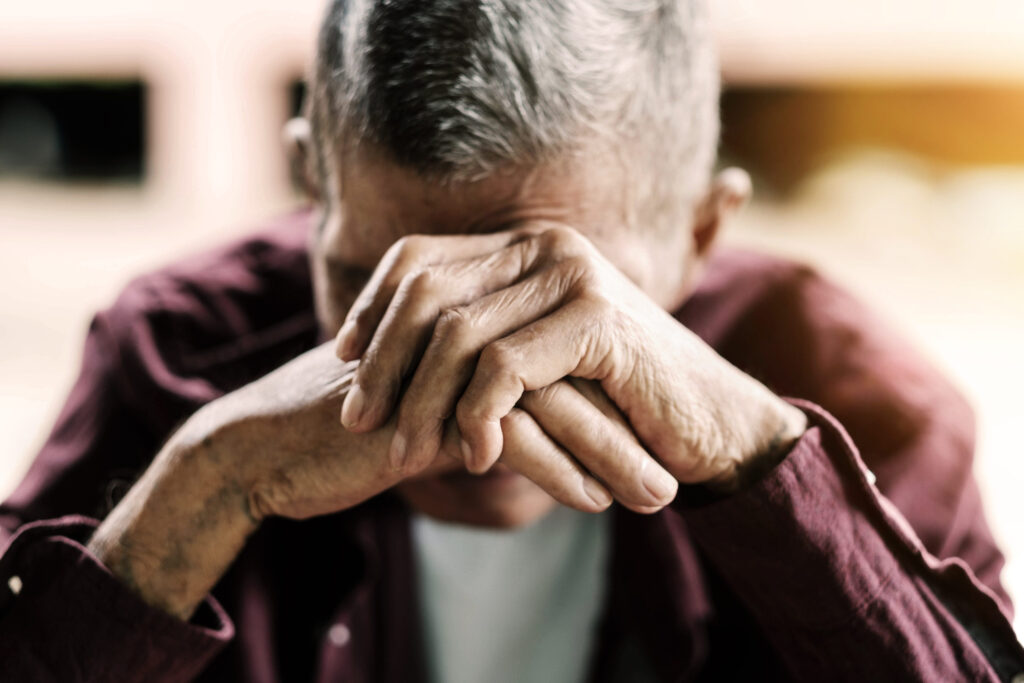
Living alone as an older adult can sometimes feel like emotional neglect. There are fewer people around to offer emotional support, and the feeling of being unseen or unimportant can take a toll on mental health. According to the National Institute on Aging, older adults who are socially isolated are more likely to experience depression. Building a support network, whether through friends, neighbors, or social organizations, is essential for maintaining mental and emotional health.
Loss of Purpose and Motivation
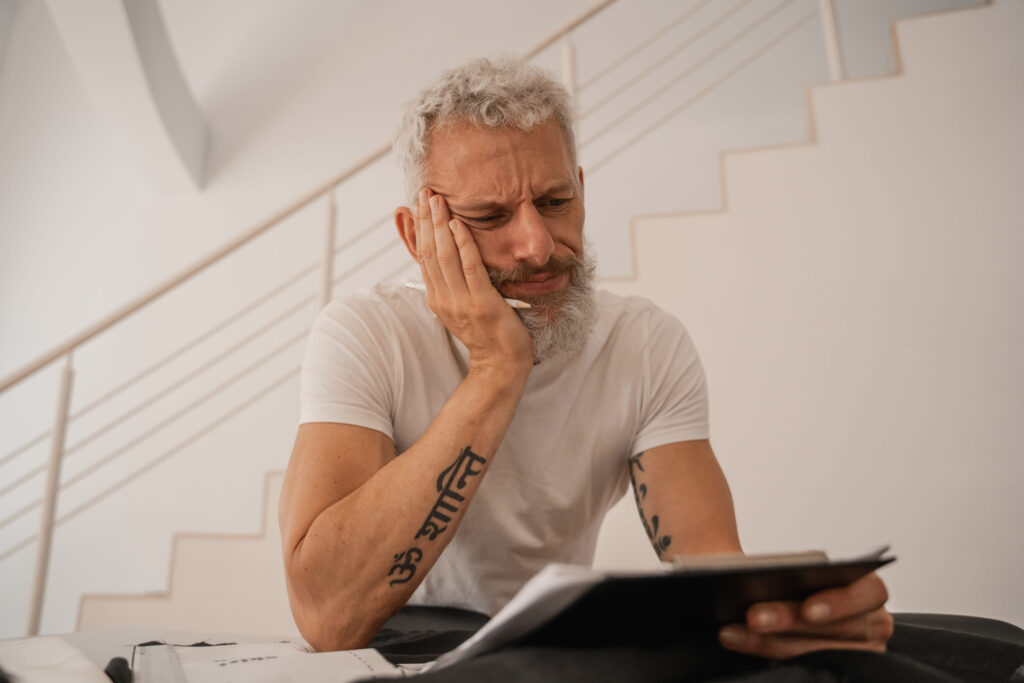
In later life, a loss of purpose can be one of the most challenging aspects of aging alone. With retirement, children moving away, and fewer activities to engage in, older adults can feel a lack of direction. Experts emphasize the importance of having hobbies, community involvement, or volunteer work to help maintain a sense of purpose and stave off feelings of loneliness.
Greater Vulnerability to Neglect and Abuse
Sadly, older adults living alone are more vulnerable to abuse and neglect. Without the protective presence of family or close friends, they may become easy targets for scams, financial exploitation, or even physical abuse. The World Health Organization highlights the risks associated with elder abuse, particularly for those who are isolated. Ensuring regular check-ins from trusted people can provide a safety net.