The household of the mid-20th century was filled with objects that have since become relics of the past. Whether functional, decorative, or a blend of both, many of these items were once integral to daily life.
For those who lived through the 1950s to the 1980s, these items were as common as the air we breathe, always there, quietly serving their purpose. But as the years went by, technological advancements and changing lifestyles led to the disappearance of many beloved household staples.
Today, we look back on these nearly extinct items with a touch of nostalgia, recognizing their role in shaping our homes and lives. Let’s take a walk down memory lane and explore the top 10 household items that are rapidly fading into history.
Folding Metal Table Trays
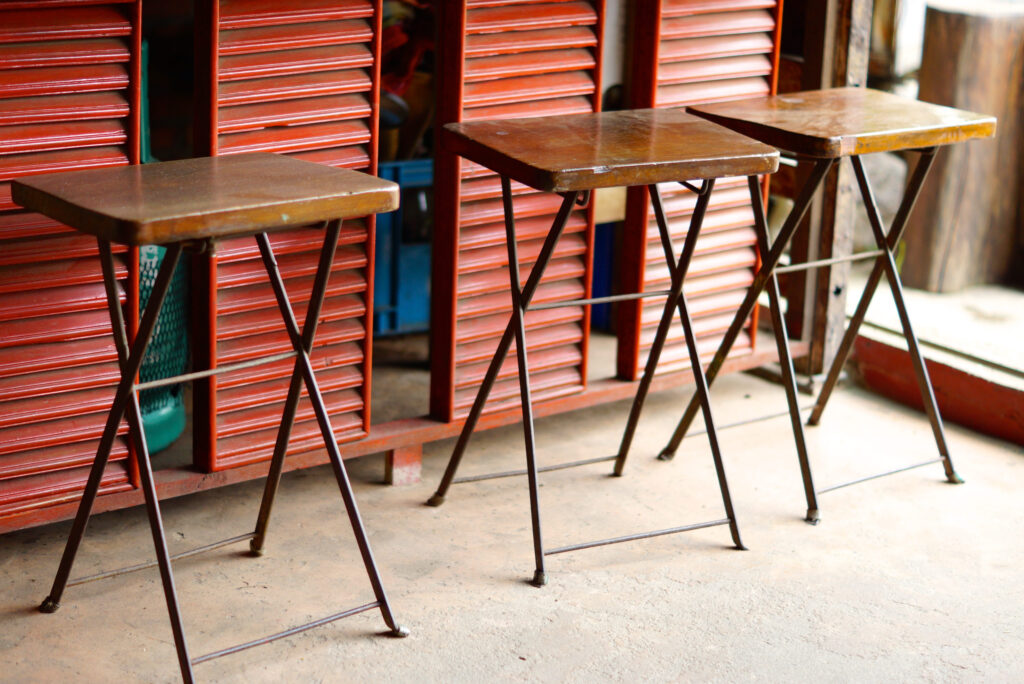
Once a quintessential part of family gatherings, folding metal table trays were more than just convenient; they were iconic. These trays, often adorned with cheerful floral patterns or festive holiday scenes, were designed for easy serving and casual dining. They could be found in nearly every home, especially when hosting parties or gatherings, providing a portable way to enjoy a snack or drink while lounging on the couch.
As kids, these trays were more than just serving tools; they became part of our imaginative play. We would set them up around the living room, drape blankets over them, and create forts. The convenience of having a collapsible tray that could be easily stored when not in use made it an ideal household accessory.
Today, however, folding metal table trays have vanished from most homes, replaced by more modern, space-saving solutions. The days of setting up trays around the TV for a family movie night seem like a distant memory.
Hassocks (Footrests)
The hassock, round, often upholstered in Naugahyde, vinyl, or leather, was the ultimate living room accessory. While designed as a footrest, the hassock rarely fulfilled its intended purpose.
Most of the time, it sat unused in front of the TV, more of a decorative piece than a practical one. These footrests were often found in pairs, adding to the living room’s cozy, homey feel.
In the 1960s and 1970s, no family living room was complete without a set of colorful hassocks. They were often treated as silent sentinels, guarding the TV set and adding a pop of color to the room.
Today, the hassock has largely been replaced by more practical furniture, such as ottomans and coffee tables. Their presence has been supplanted by sleek, minimalist designs, and the once-beloved footrests have disappeared into the annals of home decor history.
Seasonal Decorations
Before the days of year-round home decor and minimalism, seasonal decorations were an essential part of family homes. Moms would transform the house with festive touches that marked the passage of time: shamrocks for St. Patrick’s Day, bunnies and eggs for Easter, pumpkins for Halloween, and, of course, wreaths and stockings for Christmas.
The decorations were more than just aesthetic; they were markers of the seasons, reminding families of the holidays and the traditions that came with them. Every year, these decorations were carefully stored and brought out with the changing seasons. They created a sense of continuity, a rhythm to the year that felt grounding.
Unfortunately, today’s fast-paced world has left little room for this kind of seasonal awareness. Though many families still decorate for major holidays, the once-ubiquitous presence of seasonal items has dwindled, with fewer people taking the time to celebrate the subtle transitions of the calendar year.
Standing TV Sets with Antennas
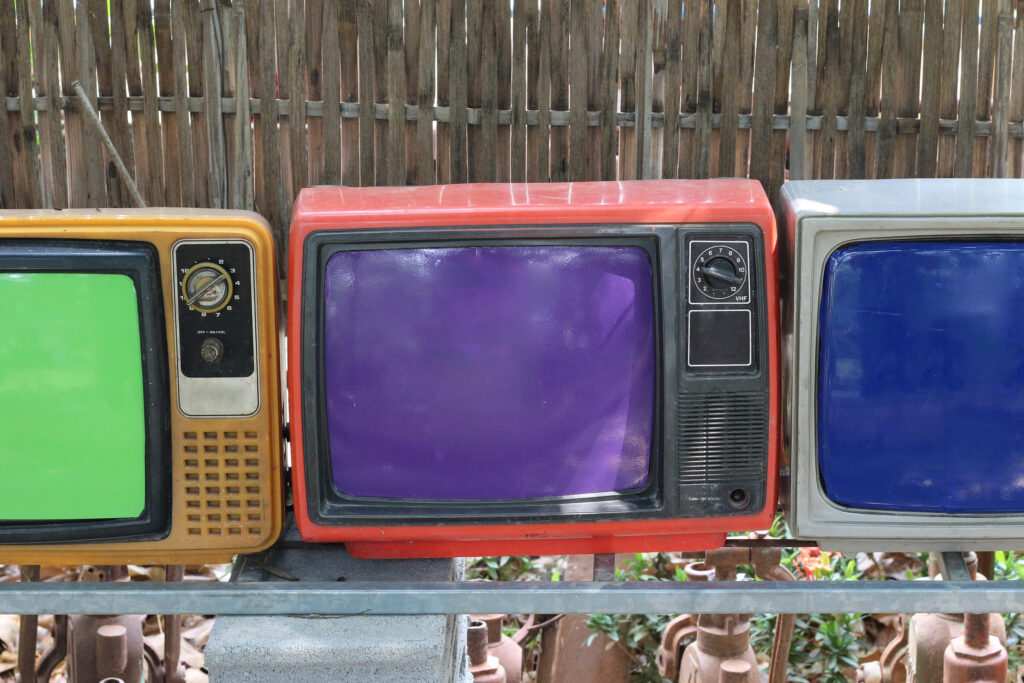
TV sets of the past were not just technological marvels; they were also pieces of furniture. These standing, wooden-framed television sets were a staple of every living room, often positioned in the corner with a floral arrangement on top. Before flat-screen TVs and wall mounts, these sets were large, heavy, and designed to be permanent fixtures in the home.
But the most iconic feature of these TV sets was the rooftop antenna. Positioned precariously on rooftops, these antennas were the lifeline for receiving a television signal. Dads often found themselves scaling ladders to adjust the antenna, hoping for clearer reception so they could watch the latest football game or boxing match.
Today, however, TV sets have transformed into sleek, wall-mounted flat screens, and antennas are a thing of the past. Satellite dishes have replaced rooftop antennas, and families now rely on cable and streaming services for their entertainment.
Foot-Pump Sewing Machines
Sewing machines were once a staple of every household, particularly for mothers who would patch uniforms, create new outfits, or make necessary repairs. The foot-pump sewing machine, while manual, allowed for great versatility and skill. These machines were often passed down through generations, each with its own story to tell.
Sewing was more than just a chore; it was a creative endeavor that allowed families to save money while making personalized clothing and home goods.
As modern electric sewing machines took over, however, the foot-pump models became obsolete. Today, while many still sew, it’s rare to find the old, foot-operated machines in use. They’ve been replaced by modern, automated models that make the craft easier but, perhaps, less intimate.
Window Fans
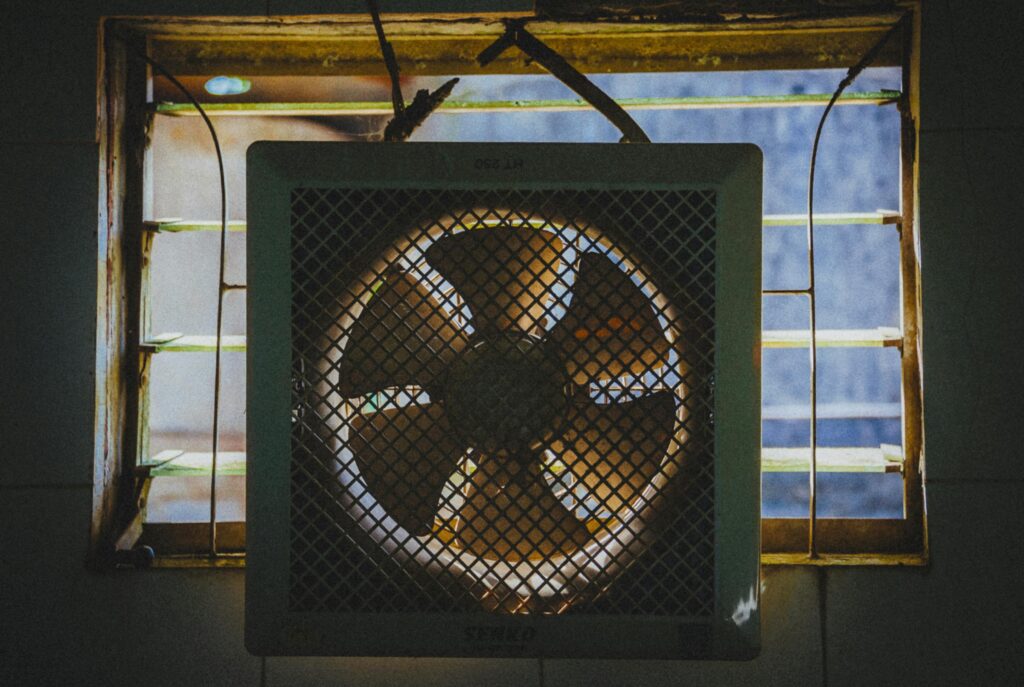
Before the advent of central air conditioning, the window fan was the unsung hero of summer. These large, noisy fans were installed in windows to draw in cooler air from outside, offering relief from the stifling heat. They rattled as they worked, often struggling to keep up with the oppressive summer humidity.
Families relied on window fans to get through the hottest months of the year, often positioning them strategically to maximize airflow.
Today, however, air conditioning has taken over, and window fans have largely disappeared from homes. While some people still use them in areas without air conditioning, the days of wrestling with noisy fans to cool down on a hot summer night are long gone.
Storm and Screen Windows
Changing storm and screen windows twice a year was a ritual for many families. In the summer, screen windows allowed for fresh air to flow freely through the house, while keeping insects at bay. Come winter, however, those screens had to be swapped out for heavy storm windows, which offered insulation against the cold and wind.
This biannual chore, often handled by the man of the house, was a necessary evil for families without air conditioning or modern, insulated windows. Today, however, modern windows are designed to be energy-efficient and require no seasonal changes. The need for storm and screen windows has all but disappeared, leaving behind a tradition that once marked the changing seasons.
Wall Telephones
Before mobile phones, there were wall telephones. Mounted on the kitchen or living room wall, these phones were central to family life. The phone rang, and everyone gathered around to hear the news, or maybe just to chat with friends and family. Many of these phones were hardwired into the home’s telephone line, and most families had a set of phone books to keep track of numbers.
These wall-mounted phones were also a place for messages. People would leave notes or jot down phone numbers in the family phone book, a precursor to today’s digital contacts list. But with the rise of cell phones, the wall phone has become obsolete. Few homes still have a landline, and even fewer have a traditional wall-mounted telephone.
Pinochle and Bridge Card Decks
Card games like Pinochle and Bridge were once an essential part of social life. Families and friends would gather around the table, enjoying friendly competition and conversation. Special card decks were required for these games, and every home seemed to have at least one deck, if not several.
Pinochle, especially, was popular in certain areas, with dedicated players gathering for regular games. Today, however, traditional card games have fallen out of favor, replaced by video games and other forms of entertainment. Pinochle decks, once easy to find in stores, are now rare, and card games are often relegated to digital versions played on smartphones and tablets.
The Yellow Pages
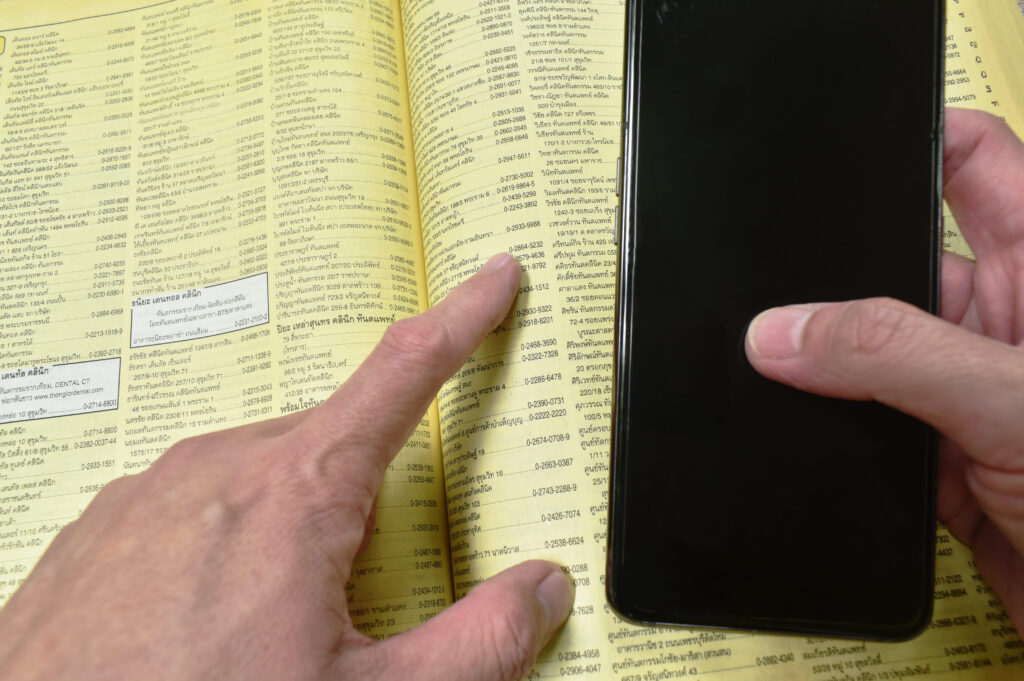
Before Google and online directories, the Yellow Pages were the go-to resource for finding businesses and services. These massive, heavy books were filled with listings for plumbers, pizza parlors, and more, and were found in nearly every household.
But with the rise of the internet, the need for physical directories has diminished. Today, the Yellow Pages are nearly obsolete, replaced by search engines and online listings. People now turn to their smartphones or computers to find what they need, leaving behind the thick book that once sat on every family’s doorstep.