A home does not feel cozy by accident. It feels cozy when we fix the small mistakes that make rooms look flat, bright, cluttered, or oddly lifeless. Researchers keep finding the same pattern. Clutter drags down well-being and even raises stress in some homes, especially for women who carry more mental load indoors.
Light causes another big problem. Many people flood their homes with bright evening light, then wonder why the room feels harsh, and sleep feels off. Harvard researchers found that blue light suppressed melatonin about twice as long as green light in one experiment, and sleep experts keep stressing that a good bedroom should feel dark, cool, quiet, and comfortable.
Relying on One Overhead Light Makes Every Room Feel Flat

Harsh ceiling lights kill comfort fast. They make soft rooms look sharp, while exposing every hard edge in the space. In real homes, we fix this first by layering light with table lamps, floor lamps, and softer bulbs. That one change makes a room feel warmer, richer, and much more inviting at night.
Skipping Blackout Curtains Keeps Bedrooms Bright and Restless
Thin curtains look nice in daylight, but they often fail at night and sunrise. Sleep experts recommend keeping bedrooms dark, and both the Sleep Foundation and CDC-backed sleep guidance stress that darkness supports better rest. We solve this fast with blackout curtains that block streetlights, early sun, and that annoying glow from outside. Cozy rooms should help us sleep, not force us to fight the window at 5 a.m.
Ignoring Light Gaps at the Sides of Curtains Undoes the Whole Fix
This mistake looks tiny, but it sounds loud. Even good blackout curtains lose power when bright lines leak in from the edges. Curtain clips or side seals close that gap, making the room feel like a true sleep cave. That small fix often delivers the dark, tucked-in feeling people thought they already paid for.
Reading in Bed Under a Bright Room Light Feels Awful
A full overhead light ruins the mood in seconds. It also pushes too much light across the whole room when only one person wants to read. A slim headboard lamp or focused bedside light fixes that problem cleanly. We get task light where we need it, and the room still keeps its calm, sleepy tone.
Bare Sofas Look Tidy but Feel Cold
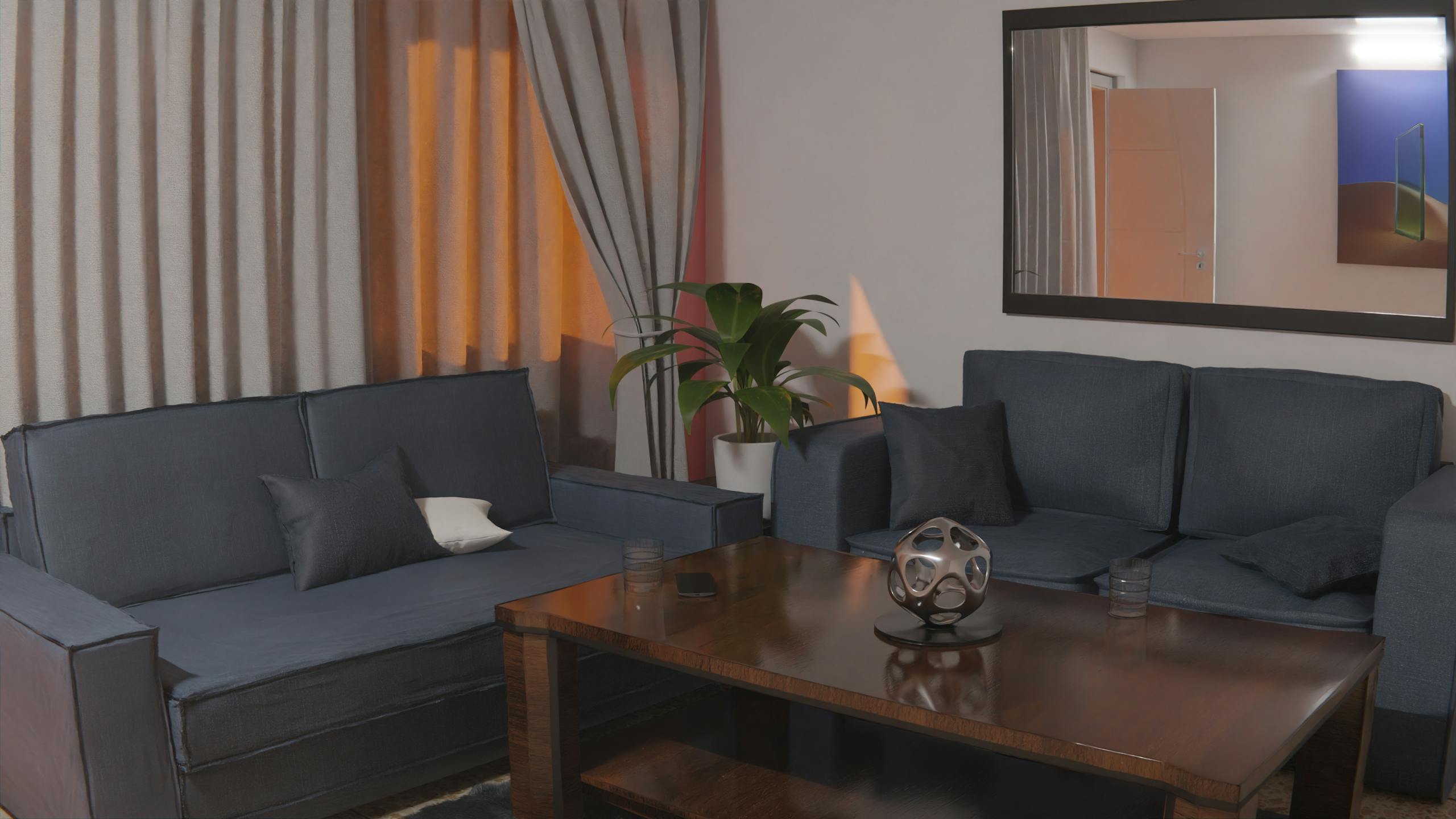
A couch without texture looks finished in photos, but it feels flat in real life. Velvet covers, knit throws, and soft layered pillows give the room visual warmth and physical comfort. This works because cozy home upgrades depend on texture as much as color. When the sofa feels soft, the whole room starts to look softer too.
A Bed Without Support Pillows Turns Rest Into Work
Beds should not look good and feel bad. A long support pillow helps with side sleeping, reading, and simple evening lounging. Sleep experts keep pointing to comfort as a core part of a healthy sleep environment, and worn or unsupportive bedding undercuts that goal fast. We add one useful pillow here because comfort should serve the body, not just the camera.
A Shallow Bath Turns Relaxation Into a Letdown
Nothing kills a bath faster than watching the water level stall halfway up. A simple overflow drain cover fixesthat problem and makes the tub feel deeper and far more luxurious. Cleveland Clinic notes that a warm bath or shower before bed can help people fall asleep faster and sleep better. We should not waste that ritual on a bath that never feels full enough.
Cold Towels Ruin the Spa Feeling in Seconds
The bath may feel lovely, but the exit can feel brutal. A towel warmer adds one of the easiest comfort upgrades in the whole house. It makes the bathroom feel thoughtful, and it turns a basic evening routine into something that feels expensive. Small luxury matters because cozy homes win in moments, not square footage.
Treating Your Desk Chair Like an Afterthought Drains the Room
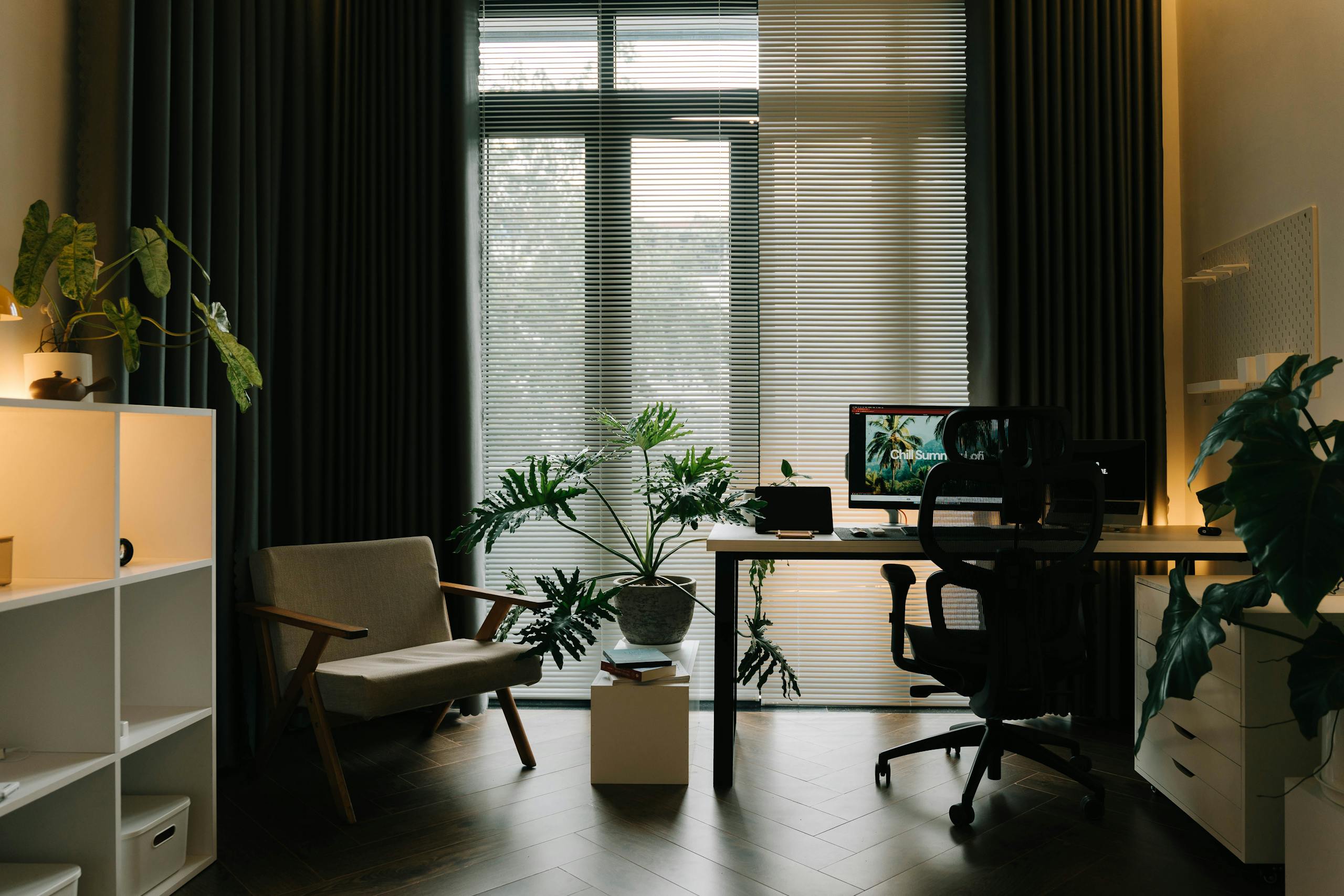
We sit more than we admit. A hard chair in a home office, vanity, or breakfast nook quietly makes the room less usable and less cozy. A plush cushion fixes comfort, but it also softens the room visually. When the seat invites us in, the space stops feeling staged and starts feeling lived in.
Letting Couch Clutter Pile Up Makes Downtime Feel Chaotic
A remote under one cushion and a charger under another does not create cozy chaos. It creates irritation. APA guidance on clutter points to stress, anxiety, and reduced focus when spaces feel overloaded. A sofa organizer or tray pulls those little items into one place and makes relaxing feel easy again.
Hiding Every Personal Object Strips a Home of Warmth
Some homes look polished, but they feel anonymous. Research on home personalization links personal touches with psychological well-being and stronger attachment to the home. A small shelf with books, ceramics, travel finds, or framed keepsakes adds that missing layer of identity. Cozy rooms need character, or they end up feeling like waiting rooms with better paint.
Leaving Small Items Everywhere Raises Visual Stress
This problem sneaks up fast. Candles, chargers, mail, clips, and cups scatter across surfaces, making the room feel busy even when it is technically clean. Recent research has linked home clutter to reduced well-being, and earlier UCLA work linked chaotic homes to higher daily stress. A framed wall shelf, basket system, or catchall tray cuts the mess and gives the eye somewhere calm to land.
Naked Windows Make Kitchens and Nooks Feel Hard
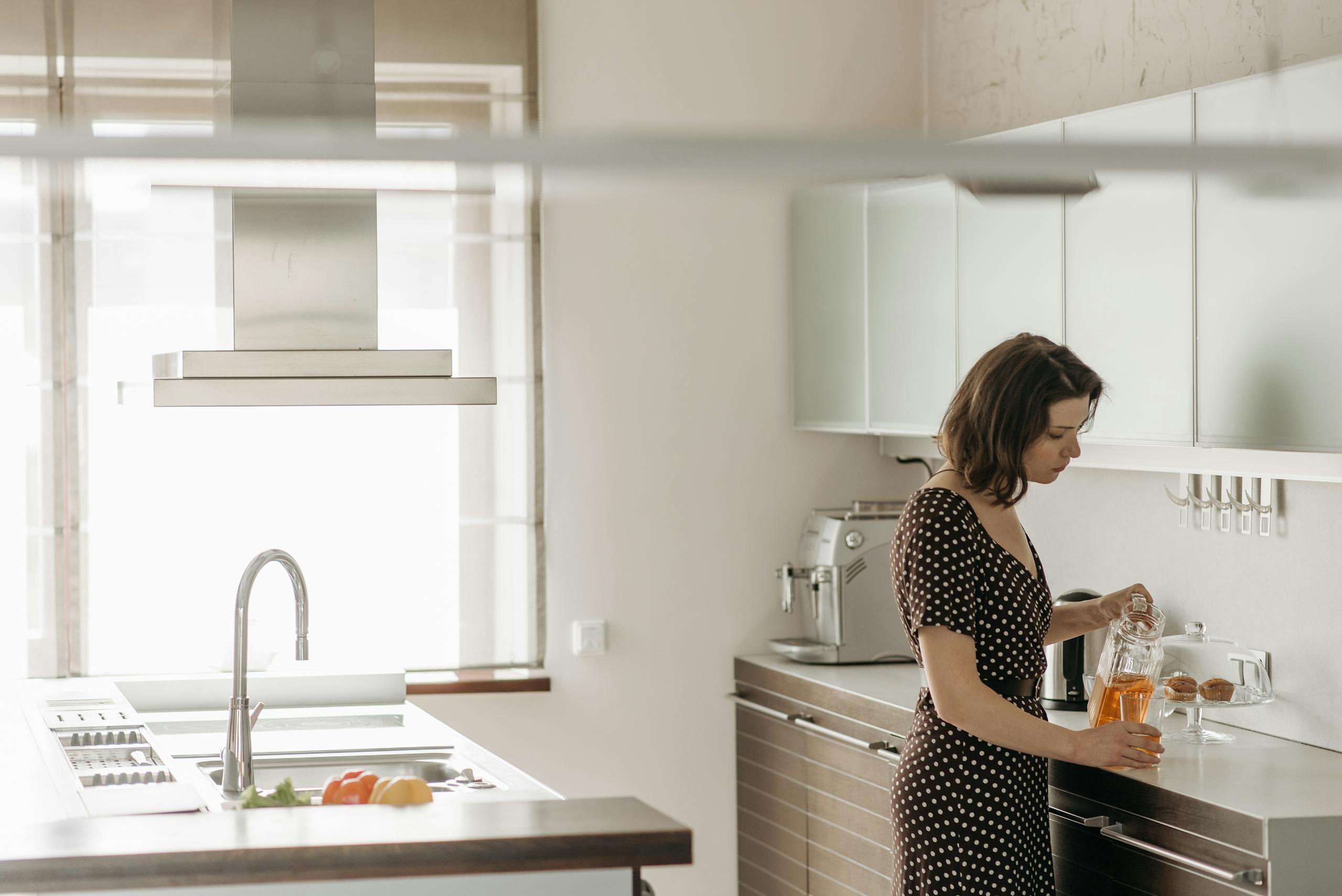
Rooms with too many bare edges can feel cold even when the furniture looks good. Soft linen curtains solve that by filtering light, softening lines, and reducing that stark, exposed look. They work especially well in kitchens, breakfast corners, and small utility spaces that often feel more functional than welcoming. This simple fabric fix can make a plain corner feel charming in one afternoon.
Cool White Bulbs Fight Your Wind-Down Routine
This mistake shows up everywhere. People buy cozy decor, then light it with cold, blue-heavy bulbs that make the room feel like a pharmacy aisle. Harvard Health reports that blue light at night suppresses melatonin more strongly, and NIH-backed research found that pre-bedroom light delayed melatonin onset in 99% of participants in one study. Warm ambient bulbs, including flame-style bulbs, help the room look better and support a calmer evening routine.
A Dark Patio Dies the Minute the Sun Goes Down
Outdoor space should not disappear at sunset. The CDC says time outdoors can support stress reduction and mental health, and nature researchers report benefits from even short exposure. Solar lanterns fix the biggest barrier fast by adding low-effort light without cords or daily fuss. When the patio glows, we use it more, turning wasted square footage into real comfort.
An Unheated Patio Never Becomes a Real Retreat
People buy chairs, then ignore the reason nobody uses them after dark. A fire pit table changes that by adding warmth, a focal point, and a reason to linger outside longer. That matters because time outdoors supports mental well-being, and cozy home upgrades should expand the home, not shrink it. A good outdoor setup should pull us out, not send us back inside after ten minutes.
Playing It Too Safe Makes Rooms Forgettable

Every cozy room needs one detail that sparks delight. Floating candles, a soft-light projector, or a playful accent piece can shift the whole mood and make the space feel more personal. This does not need to look childish or loud. It simply needs to break the routine and give the room a little soul.
Hard Floors and Echoey Corners Make a Room Feel Colder Than It Is
Sound changes comfort more than most people expect. Harvard sleep guidance notes that heavy curtains and rugs can absorb sound, and that matters because echo makes a room feel emptier and less restful. A rug under the bed, sofa, or reading chair adds warmth underfoot and softens the room in one move. When we want a home to feel cozy, we should stop leaving the floor out of the plan.
Conclusion
Most people chase a dramatic makeover when the real fix sits in the details. Better light, better texture, and better comfort can change a room’s feel much faster than a giant shopping spree. The smartest cozy home ideas solve small daily annoyances first. That is why these small home upgrades work so well.
Start with the room that annoys you most. Block the light, soften the seating, warm the bath, or make the patio usable tonight. Then move to the next weak spot and keep going. If your home still feels cold after that, the problem was probably never the house.