We’ve all heard it: “Eating raw food is healthier.” But when it comes to some foods, eating them raw isn’t just risky; it could lead to severe health issues. Raw food trends are everywhere, but some raw foods carry hidden dangers that can turn your meal into a disaster. If you’re a fan of raw meats, sprouts, or undercooked eggs, it’s time to rethink your plate.
These are the eight raw foods you should never eat, according to experts, and the reasons why proper cooking is non-negotiable.
Ground Beef
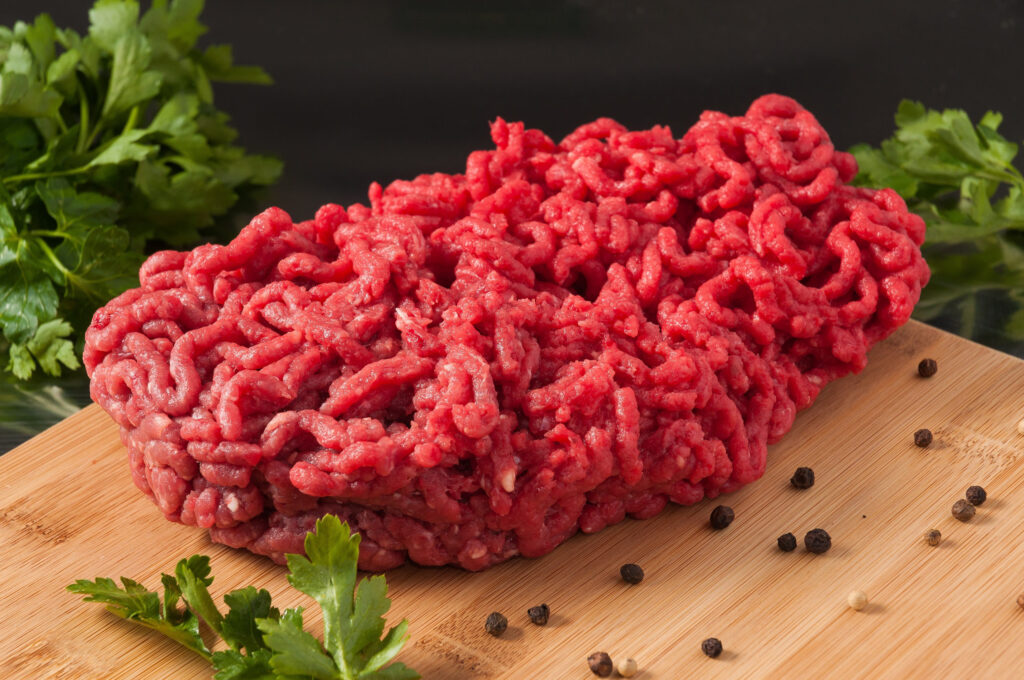
Who doesn’t love a juicy burger? But if you’re grilling up a rare burger, you might be setting yourself up for a serious illness. Ground beef is especially prone to contamination because bacteria can mix throughout the meat during processing.
E. coli is the main culprit, and it’s particularly dangerous for children and anyone with a weakened immune system. Always cook ground beef to an internal temperature of 160°F to ensure it’s safe. So, while that rare burger might look tempting, it’s not worth the risk. Aim for well-done with ground meat.
Beans
It’s not just the flavor of raw beans that can make you sick; they actually contain a toxin called phytohemagglutinin, which can cause stomach upset, nausea, and vomiting. Even a few raw beans can trigger these symptoms, which is why beans should always be cooked before eating.
To safely enjoy beans, you can boil them for at least 10 minutes to neutralize the toxin. If you’re in a hurry, canned beans are a safe, ready-to-eat alternative since they’re pre-cooked.
Unpasteurized Milk
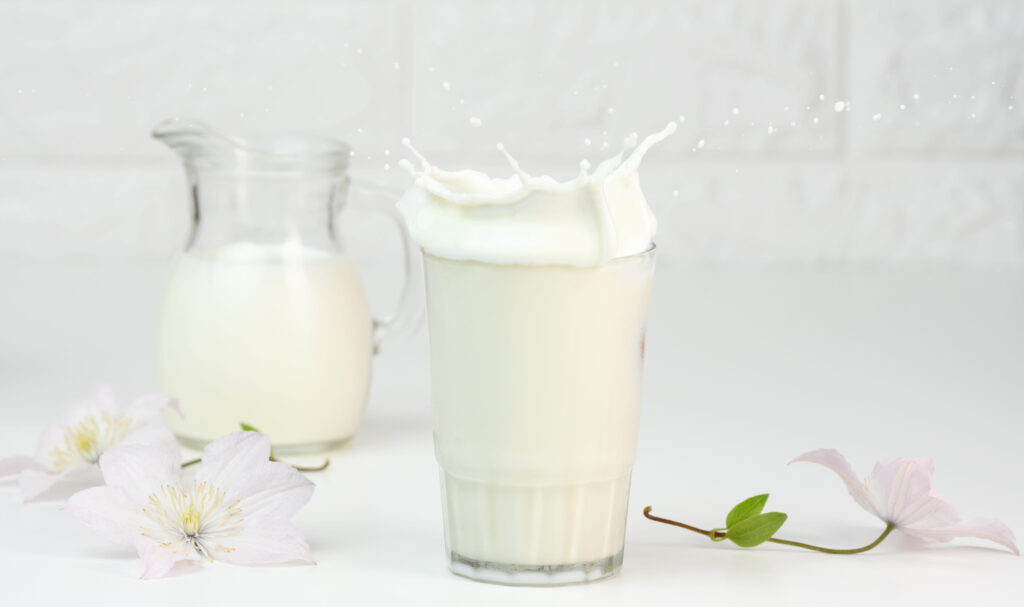
Unpasteurized milk may sound like a more natural choice, but it’s not the safest option. Raw milk can contain harmful bacteria such as Salmonella, E. coli, and Listeria, all of which can lead to serious health issues. The pasteurization process, which involves heating milk to kill bacteria, makes it much safer to drink.
The CDC strongly advises against consuming unpasteurized milk and recommends sticking to pasteurized dairy products like cheese, yogurt, and ice cream. If you’re craving dairy, always opt for pasteurized versions to stay safe.
Shellfish
Oysters, clams, mussels, and other shellfish may seem like the perfect fresh treat, but they can harbor harmful bacteria like Vibrio and norovirus, especially when raw or undercooked. These pathogens can cause severe gastrointestinal illnesses, and they thrive in raw shellfish.
To stay safe, make sure shellfish are properly cooked. Shells should open when cooked, and any shellfish that hasn’t opened should be discarded. And for those concerned about foodborne illnesses, the CDC recommends cooking shellfish to an internal temperature of 145°F to ensure safety.
Eggs
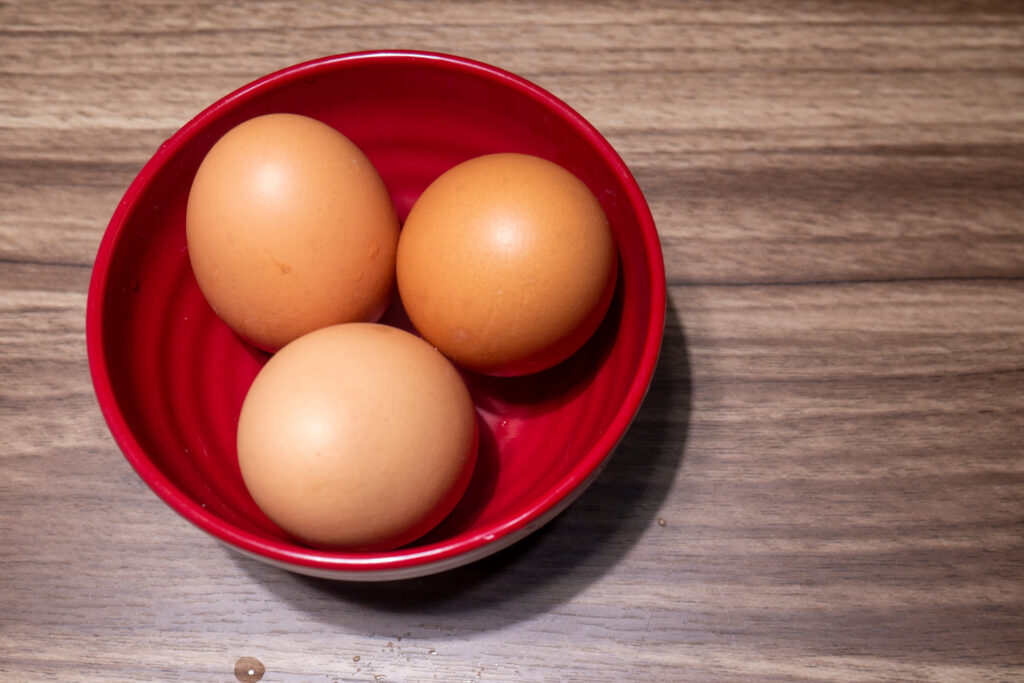
It’s tempting to lick the spoon when making cookie dough or cake batter, but raw eggs carry Salmonella, a bacteria that causes severe stomach illness. The CDC warns against eating raw or undercooked eggs, especially in dishes like homemade mayo, cake batter, or scrambled eggs.
To stay safe, cook eggs until both the yolk and whites are firm, and aim for a cooking temperature of 160°F for dishes like casseroles. So next time you’re tempted to skip cooking your eggs, remember: foodborne illness is not a good way to add flavor.
Sprouts
Sprouts may seem like a healthy addition to salads or sandwiches, but eating them raw can be risky. Raw sprouts, including alfalfa, mung bean, and others, are highly susceptible to contamination by bacteria such as Salmonella, E. coli, and Listeria.
The warm, moist environment needed for sprout growth is the perfect breeding ground for these pathogens. While sprouts are rich in nutrients, it’s best to cook them before eating, especially if you’re pregnant or immunocompromised. A quick sauté for a couple of minutes can make a big difference in safety.
Flour
You might not think of flour as a raw food, but most commercial flour is not heat-treated and can harbor harmful bacteria such as E. coli and Salmonella. These pathogens can be introduced during grain processing, so eating raw dough or batter poses a serious risk.
The solution? Always fully cook or bake any flour-based batter or dough before consuming. That means no sneaking a taste of cookie dough or cake batter, raw flour can be a hidden danger.
Poultry

You’ve probably heard about the dangers of eating raw poultry, but just how serious is it? Chicken and turkey are notorious for carrying harmful bacteria such as Salmonella, which can cause food poisoning symptoms, including stomach cramps, nausea, and fever. And when it comes to poultry, there’s no room for guesswork. Cook your chicken and turkey until they reach an internal temperature of 165°F to kill harmful pathogens.
The USDA also advises against rinsing raw poultry, as it can spread bacteria to other surfaces in your kitchen. So, if you’re cooking for vulnerable populations like children or pregnant women, make sure your poultry is fully cooked to avoid a risky meal.