Your body already has a cleanup crew that never clocks out. The liver handles a huge share of processing and clearing substances from the body, while the kidneys filter blood, remove wastes, and balance fluids and minerals all day long.
That is why the smartest kind of detox is usually far less dramatic than people hope. The National Center for Complementary and Integrative Health says there is no compelling research supporting detox diets for eliminating toxins, but major kidney health guidance consistently points people back to the basics: more whole fruits and vegetables, less added sugar, and better overall eating habits.
Lemons Make Healthy Hydration Feel Less Like Work
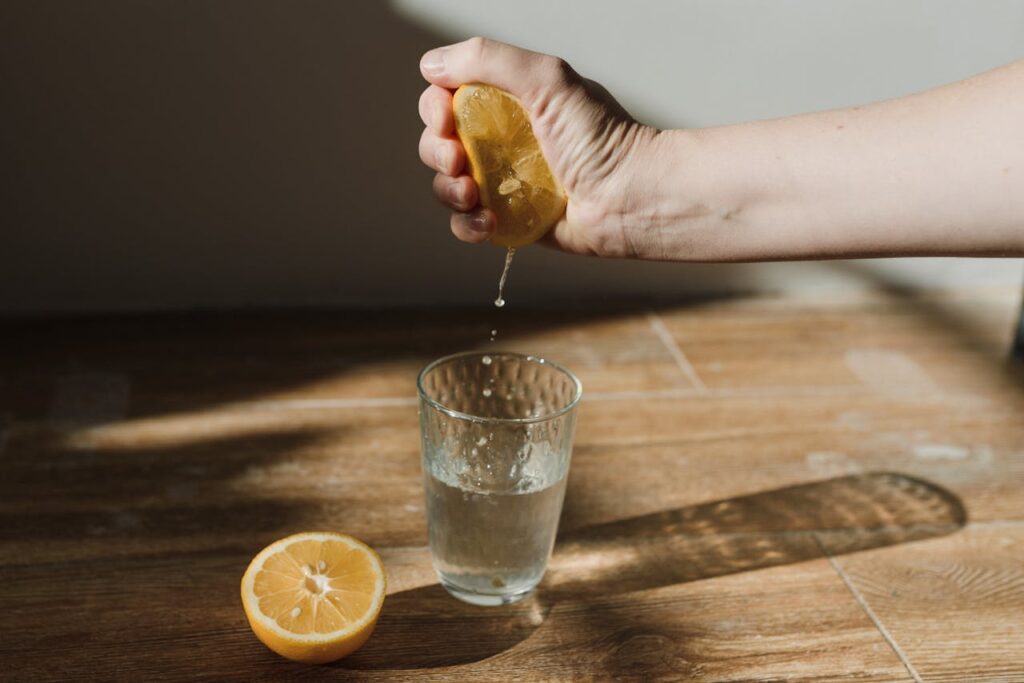
Lemons deserve their popularity, but not because a glass of lemon water performs magic. Their real value is simpler and more useful; they make water easier to drink, and citrus drinks contain citrate, which NIDDK says may help prevent some kidney stones, even though plain water remains the best choice for most people.
That makes lemon a daily habit fruit more than a dramatic cleanse fruit. A squeeze of water, over vegetables, or into a light dressing can help you build a routine that supports hydration without turning your kitchen into a supplement aisle.
Apples Offer Steady, No Fuss Support
Apples do not scream for attention, and that is part of their charm. They are easy to keep around, easy to eat, and they fit neatly into the kind of fruit-forward eating pattern kidney health experts keep recommending.
They also tend to appear on lower-potassium fruit lists for people following chronic kidney disease diets, giving them a practical edge in the real world. For many people, an apple is the kind of ordinary choice that quietly does more good than any trendy cleanse ever promised.
Cranberries Bring a Sharp, Tart Kind of Backup
Cranberries have built a strong reputation for urinary tract health, and that reputation is well-founded. NCCIH notes that cranberry products may lower the risk of recurrent symptomatic UTIs in some women, though the results are mixed, and cranberry is not considered a treatment for an active infection.
That does not make cranberries a miracle fruit, but it does make them a smart, practical choice for people who want to support the urinary system through food. Their tartness also helps, because unsweetened cranberries and lower sugar cranberry options feel cleaner and less syrupy than many so-called wellness drinks.
Papaya Keeps the Fruit Habit Interesting

Papaya may be the quiet overachiever of this group. It is soft, bright, refreshing, and a welcome break from the same rotation of apples, bananas, and oranges that many people fall back on when they are trying to eat better.
That variety matters more than it gets credit for. Health guidance for protecting kidney function keeps returning to the same foundation: choose healthier foods for the whole body, including fresh fruits, and cut back on excess salt and added sugar, so a fruit like papaya earns its place by helping that habit feel enjoyable instead of forced.
Grapefruit Is Powerful, Bright, and Worth a Little Caution
Grapefruit has the kind of bold taste that wakes up an entire meal. It also fits comfortably within kidney-friendly citrus guidance, and citrus fruits are valued for their vitamin C and flavor, which can help people rely less on salt-heavy foods.
But grapefruit comes with an important warning that many glossy wellness articles leave out. The NHS notes that grapefruit juice can interact with some statins, and the National Kidney Foundation also flags grapefruit and grapefruit juice as foods that may need caution with certain medicines, especially some blood pressure treatments.
Watermelon Helps When the Real Goal Is More Fluid
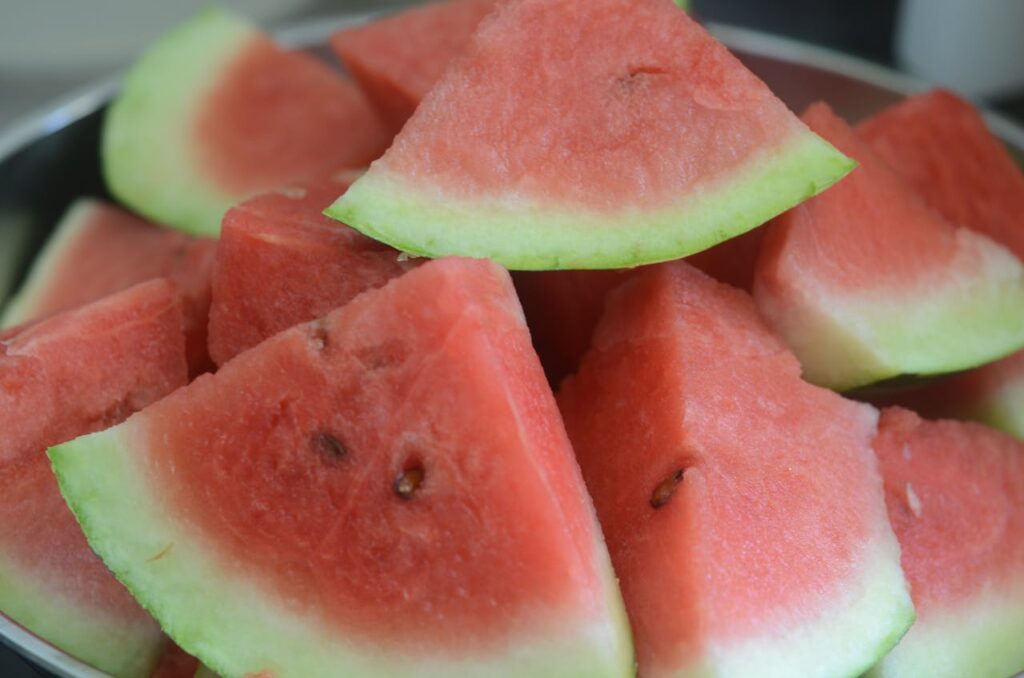
When people talk about supporting the kidneys, hydration always enters the room. The kidneys remove wastes and extra fluid from the body, and drinking enough liquid helps dilute urine and flush away minerals that could form stones, which is why juicy foods can feel like a helpful bonus.
Watermelon shines here because it is refreshing, easy to eat, and naturally packed with water. It is even listed among lower potassium fruit options in some kidney diet guidance, though portion size still matters for people who have been told to watch potassium or fluid intake.