Cleaning with hot water seems like the best way to kill germs and make things sparkle. But for certain items, hot water can cause irreversible damage, weaken materials, or even destroy delicate features. Here are seven items you should avoid cleaning with hot water and why:
Hardwood and Laminate Floors
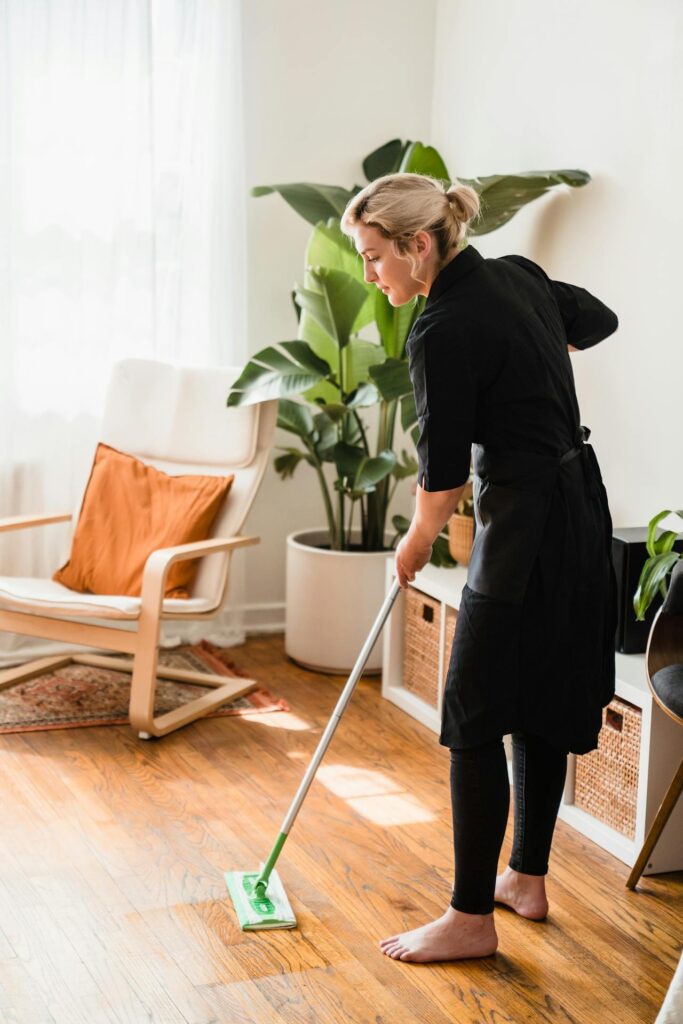
When you clean hardwood or laminate floors with hot water, you’re essentially inviting damage. Wood is porous and can absorb heat and moisture, which can cause it to expand, warp, or become discolored. The high temperatures also soften the finish, making it more vulnerable to scratches or dents. Laminate floors are even more sensitive because the layers can peel or bubble up under the heat. Always use cool or warm water with a gentle cleaner to maintain the floor’s integrity and shine.
Lightweight Plastic Containers
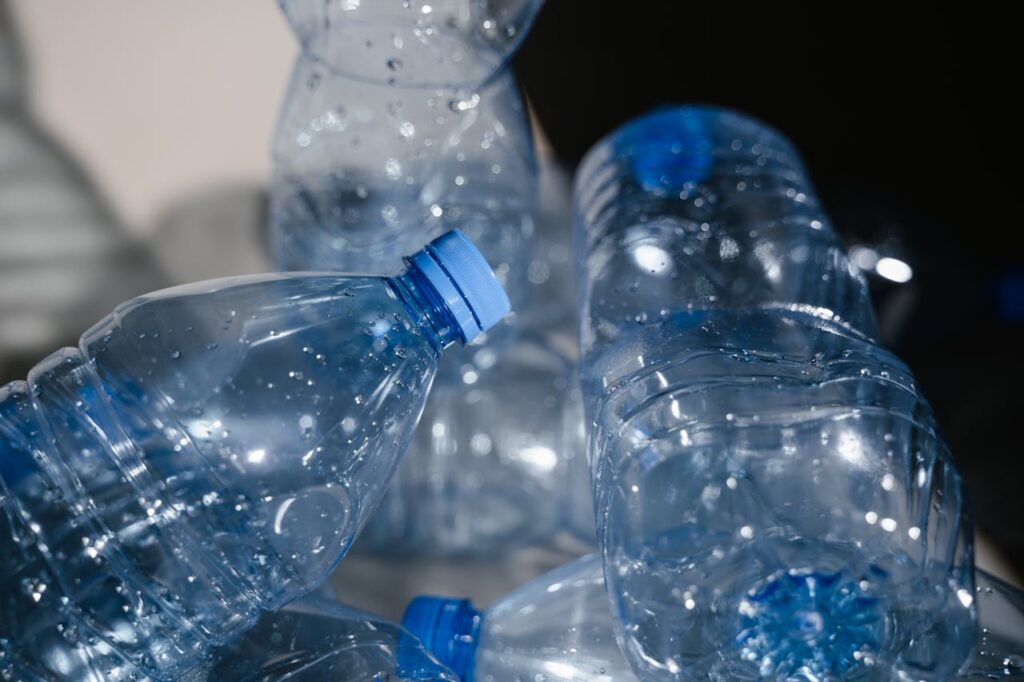
Plastic containers, especially those made from thinner or cheaper plastic, are at risk when exposed to high temperatures. Hot water can cause them to warp, shrink, or lose their shape altogether. Over time, the structure of the plastic weakens, leading to cracking or brittleness. It’s much safer to clean these containers with lukewarm or cool water to prevent them from losing their form or developing stress fractures.
Cold Glassware
We’ve all experienced that rush to get dishes done, but washing cold glassware with hot water can lead to disastrous results. The sudden change in temperature can cause the glass to undergo thermal shock, leading to cracks or even breakage. This is especially true for delicate glasses, including fine crystal or glass cups with thin walls. To avoid issues, let glassware warm to room temperature before cleaning, and use lukewarm water to preserve its integrity.
Wooden Cutting Boards and Utensils

Wood is one of those materials that doesn’t mesh well with high heat. When wooden cutting boards or utensils are exposed to hot water, they tend to soak up excess moisture. This can cause the wood to swell, warp, crack, or lose its finish. Over time, the damage can become irreversible, leaving your once-beautiful boards and utensils looking worn and battered. Clean them with warm water instead and dry them immediately to keep them in top condition.
Thermal Mugs and Insulated Glasses
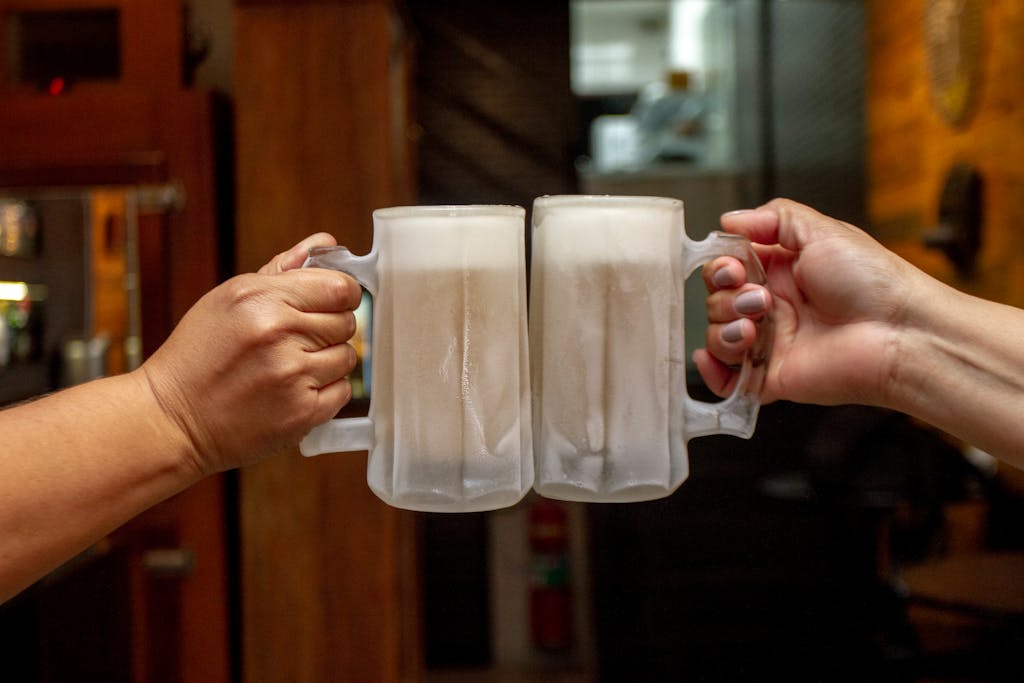
The insulation inside thermal mugs and insulated glasses is what helps them maintain temperature. Hot water can damage this seal by loosening or breaking it down, reducing the mug’s ability to keep drinks hot or cold. Furthermore, plastic versions of these items are vulnerable to warping and discoloration when exposed to high temperatures. To ensure your mugs and tumblers retain their insulation and last longer, always clean them with lukewarm water and avoid submersion in hot water.
Paint Brushes
Paint brushes may seem sturdy, but they are more delicate than you might think. Exposing them to hot water can weaken the adhesive that holds the bristles in place, causing them to loosen and fall out. With wooden handles, hot water can strip the finish, causing the wood to splinter or crack. Paint brushes are best cleaned with the appropriate solvent for the type of paint used; if water is necessary, use warm water rather than hot. Always reshape the bristles after cleaning and air-dry them properly.
Jewelry
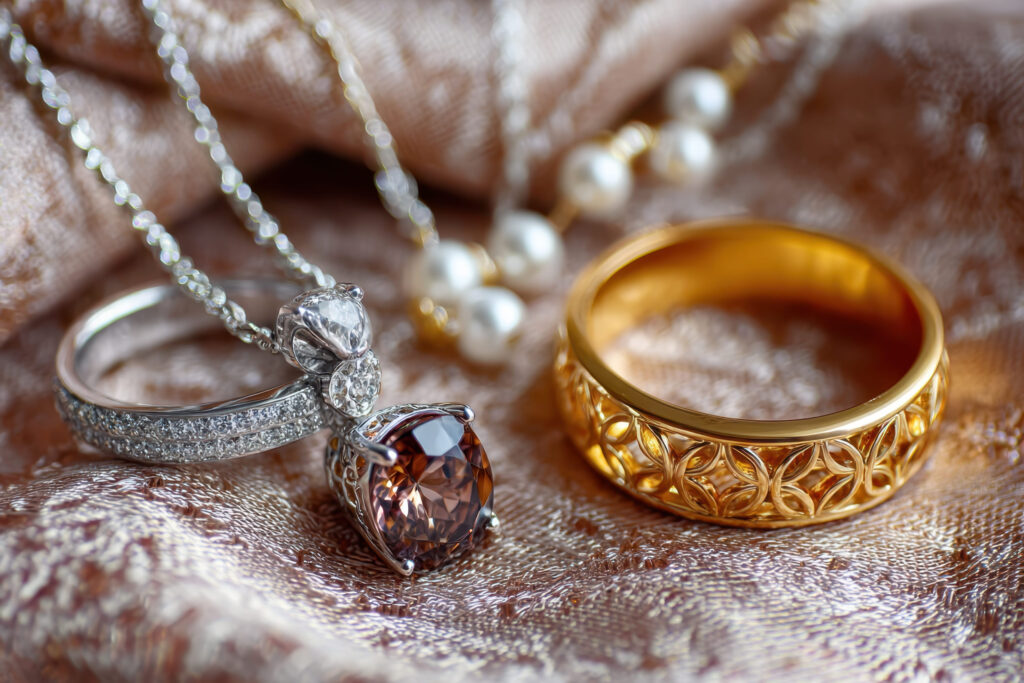
Your jewelry isn’t just about looks, it’s an investment in both style and sentiment. Hot water can damage various types of jewelry, especially those featuring delicate or porous gemstones such as pearls, opals, or turquoise. The heat can cause these stones to crack or change color, ruining their appearance. For metal jewelry, high heat can weaken solder joints or loosen settings, making them prone to losing stones. Clean jewelry with room-temperature water and a soft cloth or use a jewelry cleaner specifically designed for your precious metals and stones.
Conclusion
Using hot water for cleaning isn’t always the solution and can cause lasting damage to certain items. To preserve the quality and longevity of these materials, always check the manufacturer’s guidelines or choose the safest cleaning temperature. Warm or cool water is often the best approach for delicate materials, and a little caution can go a long way in keeping your belongings in great shape.