Garages are often the first place we turn to for extra storage. But just because there’s space doesn’t mean everything belongs there.
Some common household items can suffer serious damage, attract pests, or even create safety hazards if stored in your garage.
Let’s dive into the 13 things you should never store in your garage and explore safer alternatives to keep your belongings in top shape.
Books

Storing books in your garage might seem convenient, but the fluctuating temperatures and high humidity levels can lead to mold, mildew, and warped pages. Books are particularly vulnerable to moisture, which can weaken the paper and turn your favorite novels into a soggy mess.
Solution: Store your books inside a dry, cool room. Consider using sturdy shelving units or clear plastic bins to protect them from moisture and dust.
Artwork and Paintings
Whether it’s a painting, framed photograph, or any other piece of artwork, your garage is the wrong place to store these treasures. The combination of heat, humidity, and fluctuating temperatures can warp canvases, fade colors, and compromise delicate frames.
Solution: Keep artwork inside the house in climate-controlled areas, or invest in a storage container designed specifically for art. A dry, dark place away from sunlight is the best option.
Leather Goods
Leather jackets, shoes, and bags are prone to drying out and cracking when exposed to the heat and cold of a garage. Over time, they can lose their supple texture and become stiff and uncomfortable to wear.
Solution: Store leather items indoors, preferably in a closet or wardrobe where they are kept cool and dry. Consider using leather conditioners to maintain their softness and flexibility.
Flammable Chemicals
While many of us keep paint thinners, motor oil, and other flammable chemicals in the garage, this poses a significant safety risk. A garage’s temperature fluctuations and proximity to heat sources, such as your car engine, can make these substances highly volatile.
Solution: Store these chemicals in a locked, ventilated shed outside, away from any heat or direct sunlight. Always ensure they are in their original containers with safety labels intact.
Musical Instruments
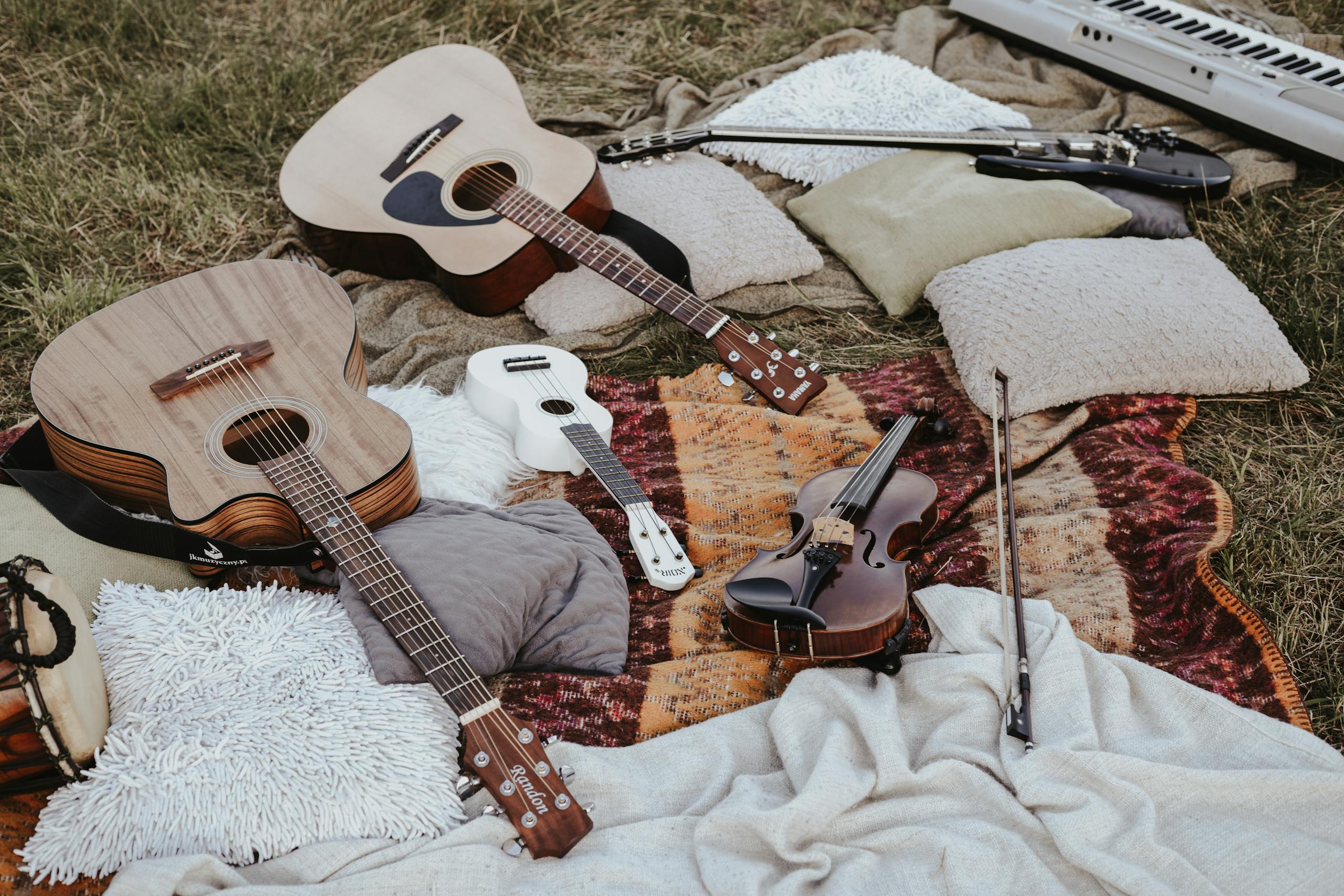
Guitars, violins, keyboards, and other musical instruments can easily be damaged by temperature swings and humidity in the garage. Wood can warp, and humidity can cause rust to form on metal parts, affecting both sound and functionality.
Solution: Keep musical instruments in a climate-controlled room or invest in proper storage cases. Stable temperature and humidity are key to keeping your instruments in tune.
Photographic Equipment
Your camera, lenses, and accessories are precious—and not just in terms of cost. Storing them in the garage exposes them to dust, moisture, and extreme temperatures, which can fog lenses or cause internal components to malfunction.
Solution: Always store photographic equipment inside a dry, dust-free place. Use padded camera bags or boxes with silica gel packs to keep moisture at bay.
Seasonal Decorations
Christmas lights, pumpkins, or Halloween decorations are often tossed into the garage after their season ends, but these items can degrade quickly in the heat. Plastic decorations can warp, and lights can become brittle over time.
Solution: Store seasonal decorations inside your home, preferably in labeled storage bins. A closet or attic with stable temperatures will help keep them intact until the next holiday season.
Alcohol
Storing alcohol in your garage is a huge mistake, especially for wine. Fluctuating temperatures can cause the corks to degrade, affecting the flavor and overall quality of your bottles. Not to mention, extreme heat or cold can also ruin the taste of other spirits and beers.
Solution: Invest in a dedicated wine fridge or store alcohol in a temperature-controlled pantry. Keep it in a place where the temperature remains consistent year-round.
Old Furniture

Old couches, chairs, or wooden furniture in the garage are prime targets for pests. Bugs, rodents, and moisture can quickly destroy furniture, and extreme temperatures can warp wood or loosen joints.
Solution: Store furniture in a dry, well-ventilated indoor space, preferably on an elevated surface. Use slipcovers or protective sheets to keep them safe from dust and pests.
Bikes
While storing bikes in the garage seems like a no-brainer, exposure to moisture and temperature changes can cause rust to form on metal parts,compromising your bike’s integrity. The last thing you want is to pull out your bike for a ride, only to find it covered in rust spots and corroded chains.
Solution: If possible, store your bikes indoors in a hallway, closet, or spare room. If that’s not an option, keep them off the floor and use a dehumidifier or rust-preventing covers.
Toys
Toys, especially stuffed animals, can absorb moisture and become breeding grounds for mold, fungi, and pests if left in a damp, hot garage. Not to mention, they can deteriorate, losing their appeal or functionality.
Solution: Store toys inside a closet or toy chest in a dry room. Wash and dry them thoroughly before storage to reduce the risk of mold.
Tires
Tires stored in the garage can be exposed to extreme temperatures, which can cause them to lose pressure or degrade more quickly. Hot summer temperatures can cause rubber to dry out, leading to cracks, while cold winters can cause it to freeze and become brittle.
Solution: Store tires off the ground, ideally in a temperature-controlled space. If your garage is the only option, keep them away from direct sunlight and heat sources.
Food
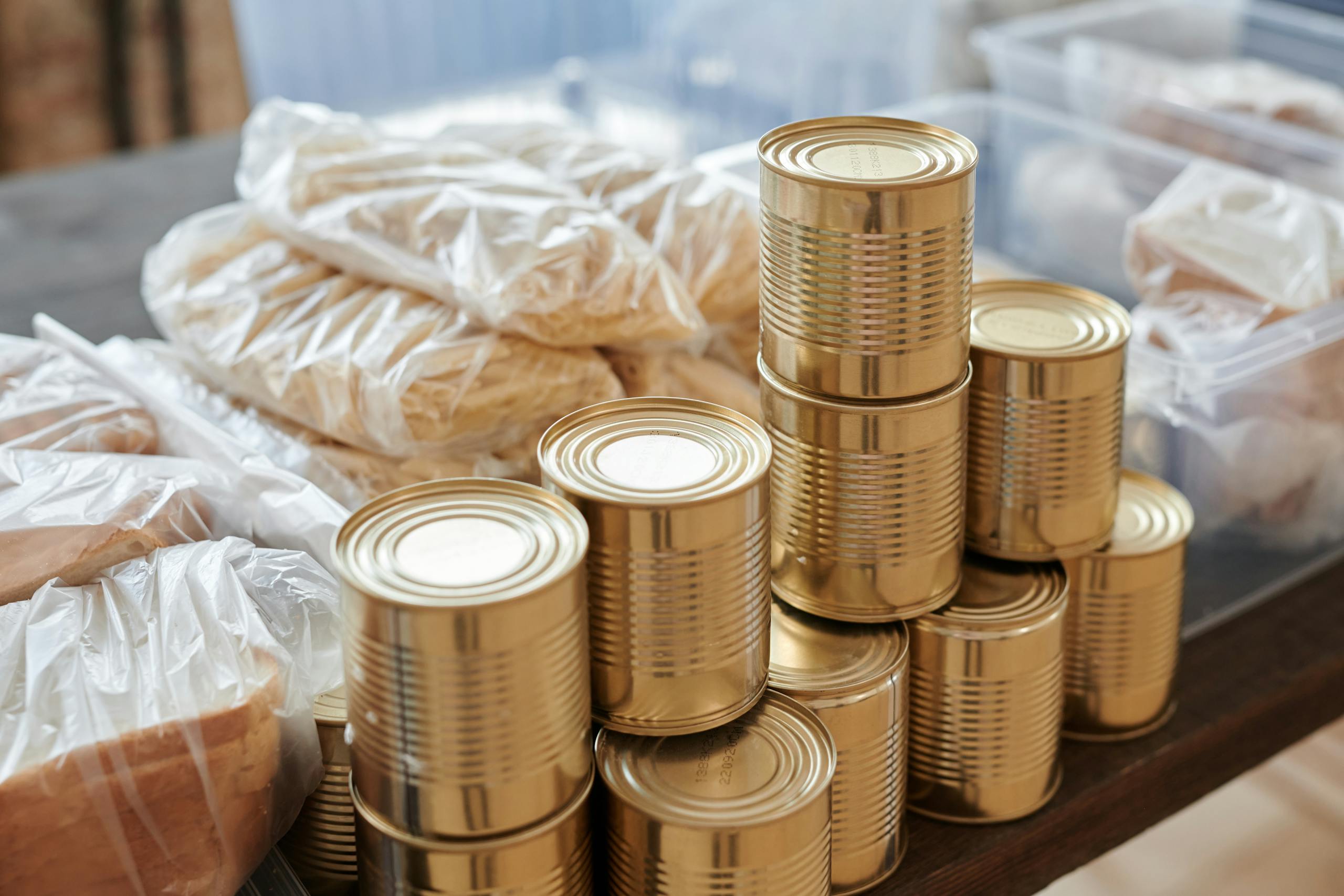
While it’s tempting to store extra food in the garage—especially canned goods or bulk items—it’s not a good idea. Garages can experience temperature extremes that cause food to spoil, lose freshness, or even become unsafe to eat. Canned food can bulge or burst under heat, while other items can become moldy due to humidity.
Solution: Store food in a cool, dry pantry inside your home. Ensure it’s kept away from heat sources and moisture to maintain its shelf life and safety.
Key Takeaway
When it comes to garage storage, many items should never be relegated to this space. The heat, cold, humidity, and pests can do more harm than good. By being mindful of what you store in your garage and following these tips, you can preserve your belongings and avoid costly mistakes.
What do you think? Are there other items you store in your garage that might need to be relocated? It’s time to reassess and protect your home and valuables. Take action now and start storing smarter today!