Some foods are not mere treats; they are status symbols. And although fruits are usually a cheap and all-year-round food, some of the more exotic types are priced in an eye-wavering manner, which makes them the object of admiration and envy. They are the most exotic of the exotic, the fruits that are grown under special circumstances, and these are so costly that you may well wonder at the real price of gourmet food. These are 10 fruits with jaw-dropping prices that would make you fall on the ground.
Yubari King Melon – Japan

The King Melon that grows in Yubari is the most expensive fruit. These are highly perfumed, perfectly round melons that are grown in the Yubari area of Japan and are viewed as a sign of prestige. The highest price ever paid at auction is well above the price of 30,000 dollars for a single melon, and the same melon could be auctioned off at a price of up to 200 dollars or even higher when there are two in number. They are priced as such because they are perfectly sweet and smooth and because of the attention they receive during cultivation, such as temperature-controlled conditions and hand pollination. To the rich and mighty in Japan, these melons are regarded as an opulent gift of gratitude.
Densuke Watermelon—Japan
It is time to ask you to reconsider watermelons. Another rare delicacy in Japan is the Densuke Watermelon, which can fetch thousands of dollars per fruit. This watermelon is extremely rare, with a very thin rind and crisp, sweet flesh, and is harvested only a few times a year. Densuke watermelon is a variety that can sell for up to $6,000, depending on size and quality. Its limited quantity and the fact that it has to be grown by labor make it extravagantly costly, and it is a real luxury commodity in the fruit market.
The Buddha’s Hand—China/India
Not only is it a showpiece, but it is also a valuable fruit, as this strange-looking object looks like several yellow fingers that are extended out of the central base. This fruit, known as a Buddha’s hand, is characterized by its strong citrus aroma and can typically be used as a homemade air freshener or as a zest in recipes. Its scarcity and demand in the Eastern medicinal and luxury markets drive prices up to $100 per fruit. The Buddha’s hand is one of the most expensive fruits in the world, though more so because of its smell than for its culinary value and by virtue of its rarity.
Pineapples, Lost Gardens of Heligan, UK.
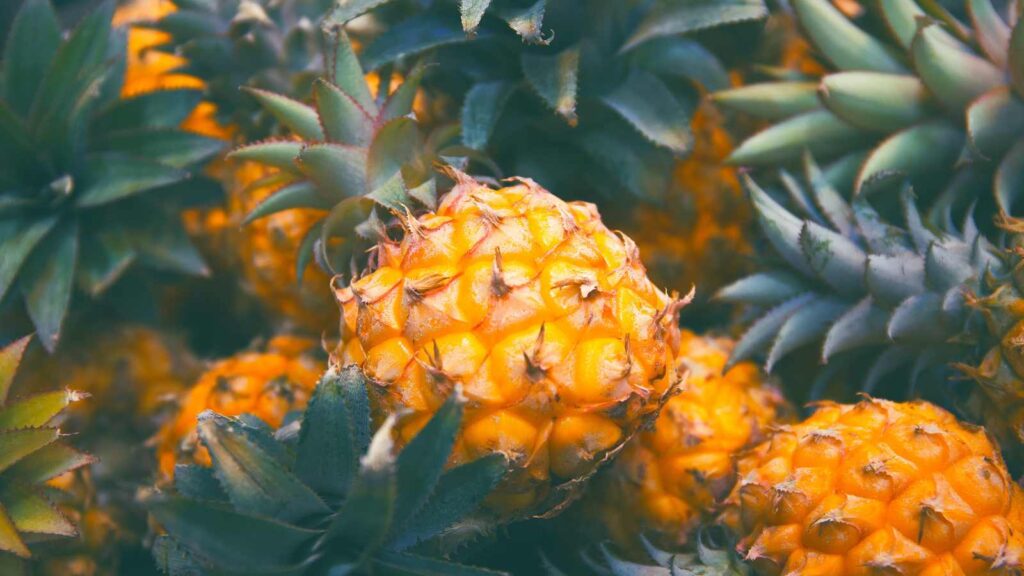
These pineapples are grown in the old, re-renovated Victorian glasshouses of the Lost Gardens of Heligan in the UK, and they can cost up to $1,500 apiece. The cultivation technique, steeped in centuries-old traditions, is labor-intensive. It requires significant resources, as it depends on methods such as cultivating pineapples in rich compost and the unceasing warmth of the glasshouses. These pineapples are irrigated every two years and, due to their scarcity, good flavor, and cultivation history, are in great demand among collectors and chefs.
Taiyo no Tamago Mango—Japan
The Taiyo no Tamago mango is one of the most pricey fruits in the world, as far as mangoes are concerned. These mangoes are grown in Miyazaki, Japan, where they are said to be incredibly sweet, with a rich texture, and are beautifully packaged. The average price of an individual mango is more than 3,000 dollars, and the best of these fruits are often sold at even a greater amount. The price of the fruit is explained by the prudent attitude of its growing, which can be achieved through the accurate regulation of temperature, humidity, and even the exposure of the fruit to sunlight.
La Vie en Rose Grapes—Japan
The La Vie en Rose grapes, which also go by the name of the Ruby Roman, are viewed as the ultimate snack, and the luxury level is taken to a whole new level. The grapes are as large as golf balls and have an unbelievable, very sweet taste. Such grapes are packaged in specially designed boxes, and a bunch sells for over 5000 dollars. It is very expensive because of its flawless looks, dainty growth, and scarcity, as only a few grapes meet the required standard for sale.
Black Diamond Apple—China
The Black Diamond apple is a special variety of apple cultivated only in the highlands of Tibet. Being a luxury product, these apples have a dark purple-black color and taste sweet and crisp. Given the harsh growing conditions and very limited production, a Black Diamond apple can be sold at a very high price, ranging from $10 to $10 per fruit, making this type of apple the most expensive on the market.
Shiranui Mandarins – Japan
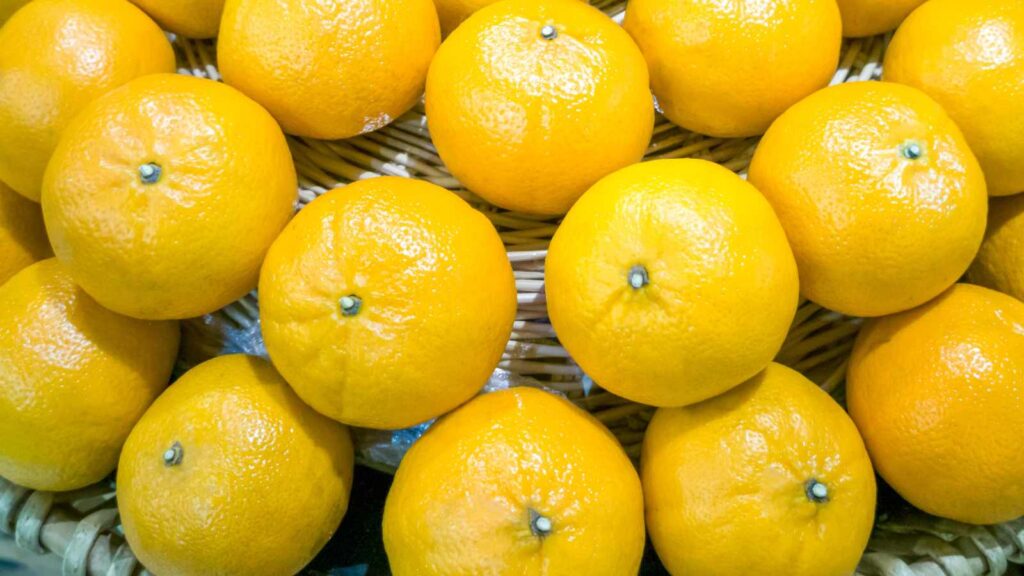
The Japanese Shiranui mandarin is known for its sweetness and easy peeling, making it popular among citrus lovers. A good box of these mandarins can be sold for up to 80 or 100 dollars, and they are usually given as high-end gifts during the New Year holidays. Their pricing reflects the high quality of their products and the rigorous selection process, ensuring only the best fruits reach the market.
Caviar Lime—Australia
The caviar lime, or finger lime, is a rare fruit native to Australia. Caviar lime, unlike traditional limes, has small bead-like pulp that explodes upon biting, with a very strong blast of citrus flavor. Namely, these limes may cost between $50 and $100, depending on size and quality. Chefs value the fruit for its unique texture and powerful flavor, making it a luxurious ingredient for fine dining and cocktails.
Sekai Ichi Apple – Japan
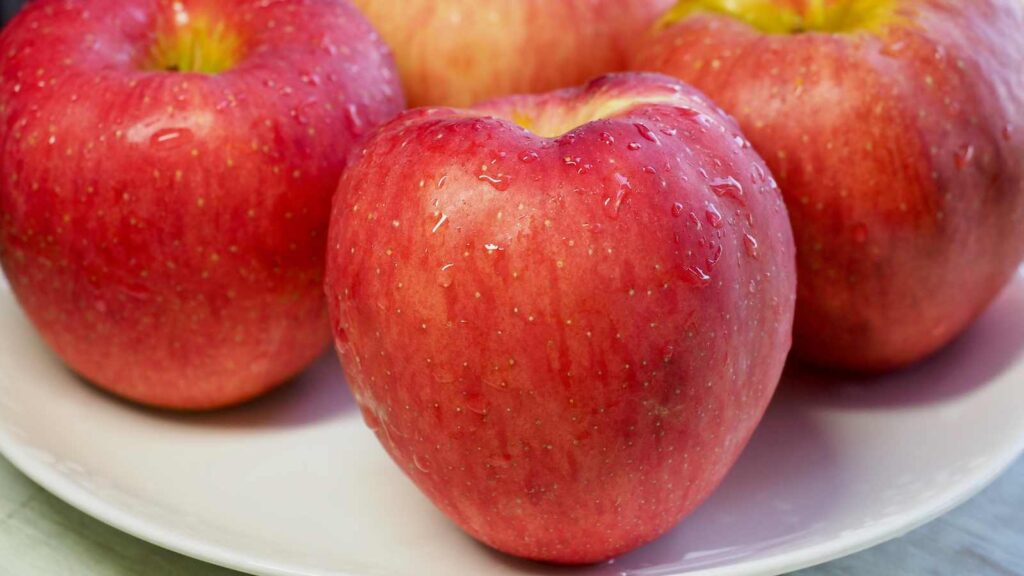
Another delicacy in Japan is the Sekai Ichi apple, which is very costly owing to its perfection. The apples weigh more than a pound each, and they are hand-pollinated to ensure only the best apples are produced. These apples can sell for up to 20 dollars each, and other varieties considered specialty can fetch even more. Sekai Ichi apples are known for their sweet, crisp flavor and large size, making them a common gift symbolizing good fortune and prosperity.
Conclusion
The world of costly fruits offers an interesting view of how much people are willing to pay for perfection and rarity. The ultra-sweet Yubari King Melon in Japan is not just any food but a status symbol and a symbol of exclusivity and craftsmanship, like a Taiyo no Tamago Mango. The price tags might seem exaggerated to some, but the effort and precision required to grow these fruits will justify them. These fruits are the highest culinary indulgence of those who have an adventurous taste or a thirst for luxuriousness.