Growing older is often described as a reward, a season of slower mornings, hard-earned wisdom, and the freedom to live on our own terms. That picture is comforting, but it is only half the story. The truth is that the challenges seniors face every day are not limited to major health events or dramatic life changes.
They show up in the quiet moments too, when opening a jar becomes a battle, when a doctor’s appointment feels like an expedition, or when a once-familiar world starts speaking a language that suddenly sounds brand new.
When we look closely, we see that the daily problems senior citizens face are rarely isolated. Hearing loss affects confidence. Reduced strength affects independence. Loneliness affects physical health. Fixed incomes affect housing, nutrition, and even access to care.
These issues overlap, build on one another, and gradually shape how older adults move through the world. To understand aging honestly, we have to look beyond clichés and examine the practical, emotional, and social pressures that define daily life for millions of seniors.
Hearing Loss Can Quietly Shrink a Senior’s World

One of the most common senior citizen problems is hearing loss, which often develops slowly enough to be underestimated.
At first, it may sound like muffled television dialogue or the need to ask people to repeat themselves at family dinners. Over time, though, hearing problems can push seniors away from conversations, public spaces, and even social events they once enjoyed. What begins as an inconvenience can turn into withdrawal.
The deeper issue is not simply missing words. It is missing a connection. Hearing loss can make people feel embarrassed, impatient, or left behind in fast-moving conversations. That can lead some seniors to speak less, go out less, and engage less. A quieter world may sound peaceful on the surface, but it can also become a lonely one when communication starts slipping through the cracks.
Declining Strength Turns Small Tasks Into Daily Frustrations
Muscle loss and reduced grip strength are among the most overlooked challenges older adults face. The problem does not always announce itself with a dramatic fall or injury.
Sometimes it appears in the kitchen, the bathroom, or the grocery store. A lid will not open. A laundry basket feels too heavy. Stepping into a tub becomes awkward and risky. These moments may seem minor to outsiders, but they can pile up fast.
What makes declining strength so difficult is how it chips away at self-reliance. Many seniors do not want constant help, especially with tasks they once handled without a thought. Reaching for assistance can feel like surrender, even when it is the sensible choice. That emotional tension matters. Strength loss is never just about muscles. It is also about identity, pride, and the desire to remain fully in charge of one’s own life.
Mobility Problems Change How Seniors Experience Freedom
Mobility is one of the biggest factors in preserving independence, and when it declines, the ripple effects are enormous. Seniors who move more slowly or rely on canes, walkers, or handrails often have to rethink how they shop, travel, clean, bathe, and socialize. Stairs become strategic. Long hallways become tiring. Crowded sidewalks become stressful. A simple outing can start to feel like a carefully planned mission.
The emotional cost is just as real as the physical one. Mobility issues can make seniors feel vulnerable in places that once felt ordinary. They may stop attending church, visiting friends, or running errands on their own because the effort feels too great or the risk feels too high. Freedom is not only about driving or money. It is also about moving through daily life without fear.
Keeping Up With Technology Can Feel Like Learning a New World Overnight

Technology promises convenience, but for many seniors, it creates a wall of confusion. Banking has moved online. Medical records live in patient portals. Family updates arrive through apps. Travel, payments, passwords, streaming, and even grocery shopping now demand digital confidence. Seniors are often told these tools make life easier, yet the setup, jargon, and constant updates can make that promise feel laughably out of reach.
The problem is not that older adults cannot learn. It is that many systems are built without patience, clarity, or accessibility in mind. Tiny fonts, confusing menus, and endless verification steps would frustrate anyone. For seniors, those features can turn daily tasks into exhausting puzzles. The result is not just annoyance. It is exclusion. In a world where so much now happens on screens, digital difficulty can translate into real social and financial disadvantage.
Living on a Fixed Income Forces Hard Choices
Financial pressure is one of the most serious problems faced by senior citizens, especially for those who no longer earn regular wages. Once work stops, every expense looks different.
Rent, utilities, groceries, transport, medication, home repairs, and medical bills no longer compete with a fresh paycheck. They compete with a limited pool of money that must stretch month after month, often with no room for mistakes.
That reality forces seniors into uncomfortable trade-offs. Some cut corners on nutrition. Some delay home maintenance. Some postpone dental care, eye care, or follow-up visits because the bills feel too heavy. Even small pleasures can come with guilt when budgets are tight. Financial strain does more than limit spending. It creates a constant background hum of worry that can drain energy from every other part of life.
Loneliness Is One of the Most Dangerous Daily Challenges Seniors Face
Loneliness is often treated like a soft issue, something emotional but not urgent. In reality, it can shape nearly every part of a senior’s life. Retirement can remove daily structure and casual social contact.
Adult children may live far away. Friends may move, fall ill, or pass on. Widowed seniors often experience a silence that is neither restful nor comforting but crushing. The house stays still, the phone stays quiet, and the days begin to blur together.
That isolation can become a trap. The longer a person stays disconnected, the harder it can feel to re-enter social life. Invitations may be declined out of fatigue, sadness, or anxiety. Eventually, loneliness can stop feeling temporary and start feeling permanent. Among the many senior living challenges, this one is especially cruel because it is invisible from the outside until it becomes severe.
Vision Changes Make the World Harder to Navigate
Vision loss is another common issue that can quietly reshape daily life. Reading medication labels, checking expiration dates, driving at night, recognizing faces from a distance, and walking on uneven ground all depend on clear sight. When vision begins to fade, seniors may become more cautious, slower, and less willing to go out alone. That caution is reasonable, but it can also become limiting.
The frustration grows when vision problems affect activities people love. Reading, sewing, watching television, gardening, or simply admiring the details of the world may no longer feel effortless.
Seniors may adapt with glasses, brighter lights, or magnifiers, but there is still an emotional sting when familiar pleasures become more difficult to access. It is one thing to age. It is another thing to feel the world blurring at the edges.
Memory Issues Can Trigger Fear Long Before a Diagnosis
Forgetfulness is part of ordinary life, but memory concerns hit differently in older age. Misplacing keys, missing a name, or forgetting an appointment can suddenly carry a heavier emotional charge.
Seniors may wonder whether these lapses are harmless or early signs of something worse. That uncertainty alone can create stress, especially when family members begin to notice and comment on it.
The fear around memory problems is often larger than the incident itself. A missed word in conversation can lead to embarrassment. A forgotten payment can spark worry about safety and independence.
Even when memory changes are mild, they can affect confidence and lead seniors to second-guess themselves, an emotionally exhausting experience. The brain may still be strong, but the fear of losing it can cast a long shadow.
Doctor Visits and Healthcare Routines Can Become a Burden
As people age, healthcare often becomes more frequent, more complex, and more tiring. Seniors may have multiple providers, recurring appointments, lab work, screenings, and medication reviews to manage. That is a lot for anyone. Add transport issues, long waits, mobility limitations, or plain old fatigue, and even a routine checkup can feel like a full-day event.
The burden is not only logistical. Medical care can also feel psychologically heavy. Repeated appointments can reinforce the sense that life is now centered around health problems, schedules, and prescriptions.
\Seniors may skip visits not because they do not care, but because the process itself becomes draining. That is one of the most dangerous parts of this challenge. The harder it becomes to access care, the easier it becomes to avoid it.
Medication Management Is More Complicated Than It Looks
Monitoring multiple prescriptions is one of the classic daily problems for seniors, and it deserves far more attention than it gets. Different pills may need to be taken at different times, with food or without it, daily or weekly, morning or night. Packaging can be difficult to open. Names can sound similar. Refill schedules can collide. A single mistake can affect blood pressure, sleep, pain levels, or overall stability.
There is also the cost factor. Prescriptions may be medically necessary and financially stressful at the same time. That combination creates tension many seniors know all too well. Medication should bring relief, but the system around it can create confusion and pressure. Managing medicine is not a side task. For many older adults, it becomes one of the central organizing duties of everyday life.
Deciding Whether It Is Still Safe to Drive Is Emotionally Brutal
Driving represents freedom, spontaneity, and competence, which is why changes behind the wheel can be so emotionally loaded.
Seniors may notice slower reaction times, difficulty with night driving, trouble reading signs quickly, or discomfort in heavy traffic. Family members may notice these things too, sometimes before the driver is ready to admit them. That can make conversations about driving feel tense, personal, and painfully symbolic.
The loss of driving is rarely just about transportation. It can feel like losing authority over one’s own schedule and choices. Suddenly, errands require coordination. Social outings depend on someone else’s availability. Every day, independence begins to narrow. Few senior citizen issues strike at identity as sharply as the question of whether it is time to hand over the keys.
Choosing Where to Live Gets More Complicated With Age
Housing decisions can become surprisingly difficult in later life. The home that once suited a growing family may now feel too large, too expensive, or too full of stairs.
A neighborhood that once felt ideal may no longer offer the services or support a senior needs. At the same time, leaving a long-time home can feel like leaving a personal history behind, room by room.
This decision is about more than square footage. Seniors must consider accessibility, healthcare access, maintenance needs, cost, safety, climate, and proximity to loved ones. Some want to downsize. Some want more support. Some want to age in place at all costs. Whatever the choice, it can be emotionally complicated because home is never just a building. It is memory, routine, and identity stitched together.
Family Role Reversal Can Be Tender, Awkward, and Painful
One of the hardest emotional shifts in aging happens when the parent-child dynamic changes. Seniors who once cared for everyone else may find themselves being checked on, corrected, reminded, or assisted by their adult children. On paper, that sounds loving. In real life, it can feel messy. Advice can sound like control. Concern can feel like surveillance. Help can sometimes land like a quiet insult.
At the same time, adult children are often navigating their own confusion and guilt. They want to protect a parent without erasing that parent’s dignity. Seniors may resent the change even when they know it comes from love. This role reversal is one of the most emotionally charged challenges of aging because it forces families to renegotiate power, dependence, and trust in real time.
Seniors Are Frequent Targets for Scams and Financial Manipulation
Fraud is not a side issue. It is a major threat. Seniors are often targeted by scam calls, fake invoices, urgent payment requests, fraudulent charities, romance schemes, and high-pressure offers that are designed to create panic. These scams exploit trust, isolation, and confusion. A convincing voice on the phone or a realistic-looking email can be enough to trigger costly mistakes.
What makes this issue especially painful is the shame that often follows. Seniors who have been tricked may feel embarrassed and stay silent, which only increases vulnerability.
Fear of judgment can keep victims from reporting the incident or asking for help. The damage is not always limited to money. Fraud can destroy confidence and leave seniors suspicious of legitimate communication, too.
Nutrition Becomes More Important and Sometimes More Difficult
Eating well in later life sounds simple until real-life barriers show up. Appetite may shrink. Cooking for one can feel uninspiring. Grocery shopping may be tiring. Budget limits may push healthier options off the table. Dental issues can affect what foods feel comfortable to eat. Some seniors also lose the social side of meals, and once that pleasure disappears, eating can start to feel like a chore rather than a joy.
That matters because nutrition affects strength, energy, immunity, mood, and recovery. Poor eating habits do not always look dramatic at first. They may show up as fatigue, weakness, weight changes, or slower healing. The challenge is that nutrition problems often hide inside routine. A skipped meal here, a packaged snack there, and suddenly the body is running on less support than it needs.
Understanding Modern Language and Social Change Can Be Disorienting
The culture changes fast, and seniors are often expected to keep up without missing a beat. New social terms, new identity language, new workplace norms, and new political shorthand can make ordinary conversation feel unexpectedly complicated. No one wants to sound rude, outdated, or confused, yet many older adults find themselves navigating a vocabulary landscape that has changed dramatically from the one they grew up with.
This is not about mockery or resistance. It is about adjustment. Seniors who want to stay engaged with younger generations often have to keep learning long after many assumed their education was finished. That effort deserves more respect than it usually gets. Staying culturally connected requires curiosity, humility, and energy, and those demands can be tiring even for people who are genuinely trying.
Clothing, Appearance, and Personal Style Still Matter
Not every senior challenge is life-or-death, but that does not make it trivial. Clothing becomes harder to shop for when comfort, mobility, weather, body changes, and personal taste all need to coexist. Many seniors do not want wardrobes that feel dull, frumpy, or medically styled. They want clothing that is practical without making them feel invisible.
Appearance matters because dignity matters. Getting dressed is not just about fabric. It is about self-expression and confidence. When options seem designed either for youth culture or bland surrender, seniors can feel pushed out of the style conversation entirely. That may sound superficial, but feeling good in one’s own skin is part of feeling alive and present in the world.
The Loss of a Spouse Can Create a Whole New Set of Daily Tasks
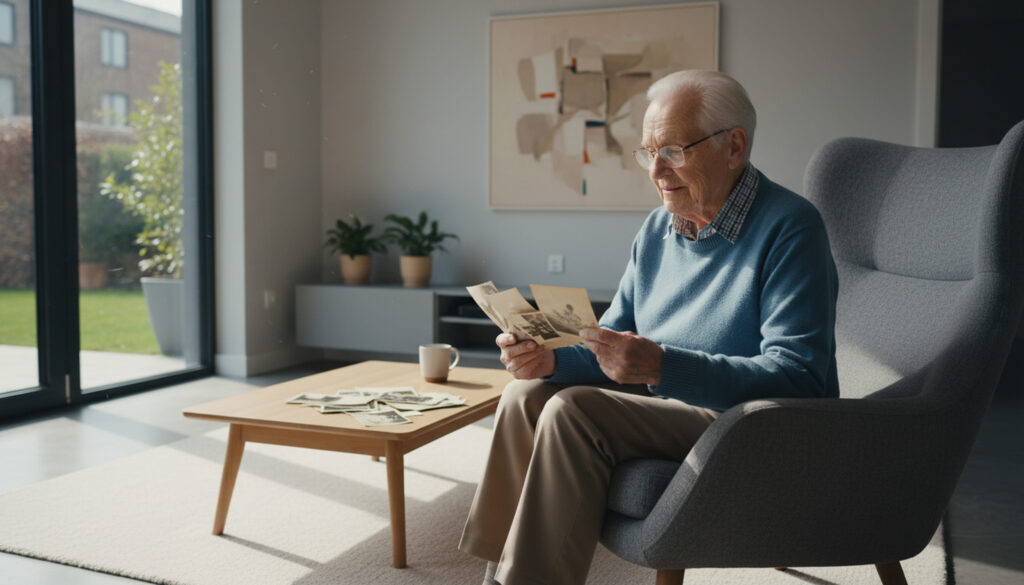
Losing a spouse is devastating emotionally, but it also has practical consequences that can transform everyday life overnight. One partner may have handled finances, home repairs, cooking, transport, or social planning for years. When that person is gone, grief arrives alongside a long list of unfamiliar responsibilities. Mourners are expected to survive heartbreak and learn new systems simultaneously.
That combination can be deeply destabilizing. The surviving partner is not just coping with the absence. They are rebuilding routine from the ground up. Bills, passwords, appointments, meal planning, and paperwork can all feel heavier when carried alone. Among the many challenges seniors face every day, this one often reshapes life most suddenly and most completely.
Feeling Invisible Can Hurt More Than People Admit
Ageism has a way of sneaking into ordinary life. Seniors may be talked over, dismissed, patronized, or treated as though they are automatically out of touch. In shops, offices, family gatherings, and even medical settings, older adults can feel ignored in ways that slowly wear them down. Few things sting like being present but not fully seen.
This challenge matters because respect is not optional. Seniors carry decades of experience, labor, resilience, and knowledge, yet many report feeling socially sidelined. That invisibility can deepen loneliness and reduce confidence in speaking up about needs or preferences. When society treats older adults as background figures, it creates a cruelty that is subtle, common, and far too accepted.
Major End-of-Life Decisions Are Often Delayed Until They Become Urgent
Wills, healthcare directives, funeral preferences, power of attorney, and long-term care planning are not easy topics, which is exactly why so many seniors postpone them. Yet delay creates its own problem. When families are forced to make major choices in a crisis, confusion and conflict can follow. Decisions made too late tend to come wrapped in stress, grief, and uncertainty.
Facing these issues requires courage, but it also creates peace. Seniors who make their wishes clear often protect their families from avoidable chaos later. The challenge is that these conversations ask people to confront vulnerability, mortality, and loss of control all at once. Even so, avoiding them does not remove the issue. It merely saves it for a worse moment.
The Biggest Daily Problems Senior Citizens Face Are Often Connected
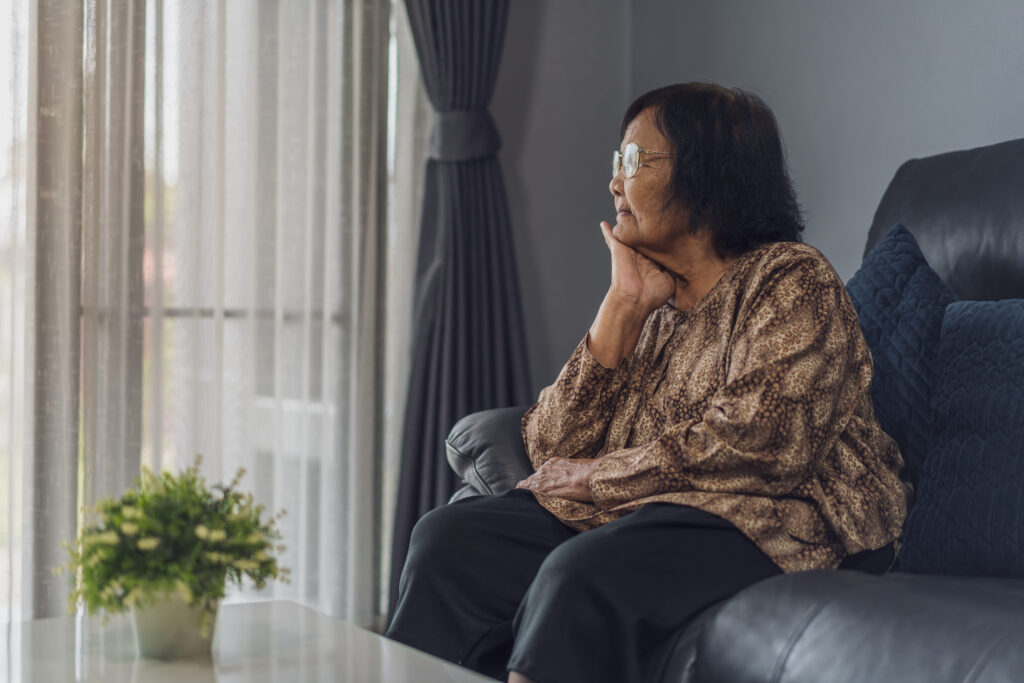
It is tempting to isolate these issues into separate categories, but real life does not work that way. A senior who struggles with mobility may become less social.
Less social contact may increase loneliness. Loneliness may worsen motivation, affecting nutrition, fitness, and medical follow-up. A fixed income may limit transportation, which in turn affects doctor visits, housing choices, and even access to groceries. The web is tighter than most people realize.
That is why the best way to understand senior living challenges is to see them as interconnected pressures rather than isolated complaints. Aging is not a single problem. It is often several manageable problems arriving together, requiring patience, adaptation, and support. When we understand that, we stop reducing seniors to stereotypes and start seeing the real architecture of their daily lives.