When it comes to organizing your home, the basement might seem like a convenient space for storage. However, certain items should never be stored there due to the potential for damage, health risks, and other concerns. Let’s explore what you should keep out of your basement to ensure your home stays safe, organized, and free from costly repairs.
Electronics and Appliances

Basements are notorious for humidity, which can wreak havoc on electronics. From televisions to laptops, moisture can infiltrate delicate components, leading to malfunction, rust, and permanent damage. Appliances like refrigerators or washers are also at risk of corrosion when exposed to moisture. Storing these items in your basement can result in costly repairs or replacements. Keep electronics in a dry, climate-controlled room to maintain their longevity.
Important Documents
Storing critical documents such as birth certificates, legal papers, tax records, and family photos in your basement is a disaster waiting to happen. Damp basements are a haven for mold and mildew, which can destroy paper over time. Additionally, flooding or a burst pipe can destroy your essential records in a matter of seconds. Store documents in waterproof containers in a dry, temperature-regulated area such as an attic or a dedicated filing cabinet.
Family Heirlooms and Antiques
Antiques, heirlooms, and sentimental items, such as old furniture or valuable artwork, should never be stored in a basement. The fluctuating temperatures and humidity levels in basements accelerate the deterioration of these treasures. Wooden furniture can warp, metals can rust, and delicate fabrics may develop mold or mildew. The constant exposure to moisture will shorten the lifespan of these valuable items. Store valuable items in a climate-controlled storage unit or a room with stable temperature and humidity.
Food Items

Storing food in the basement, especially canned goods, is often a mistake. Although food may be safe for short periods in cool, dark spaces, basements often experience temperature extremes that can compromise its quality and safety. High humidity can also lead to mold growth, even on sealed containers. Store food in a cool, dry pantry or cupboard, away from direct heat sources.
Clothing
You may be tempted to store off-season clothing in your basement, but this can lead to disaster. Humidity and pests, such as moths, thrive in basements, and both can damage your clothes. Faded fabrics, frayed threads, and even holes from moth larvae can occur quickly if the basement is not properly sealed. Store clothing in airtight containers or garment bags in a closet or dresser in a temperature-regulated room.
Mattresses
Storing a mattress in a basement is a bad idea for several reasons. First, basements are humid environments that promote mold and mildew growth. Second, storing a mattress in a damp area can cause the fabric to absorb moisture, leading to an unpleasant smell and potential health hazards. This can make your mattress unsuitable for future use.
Paint
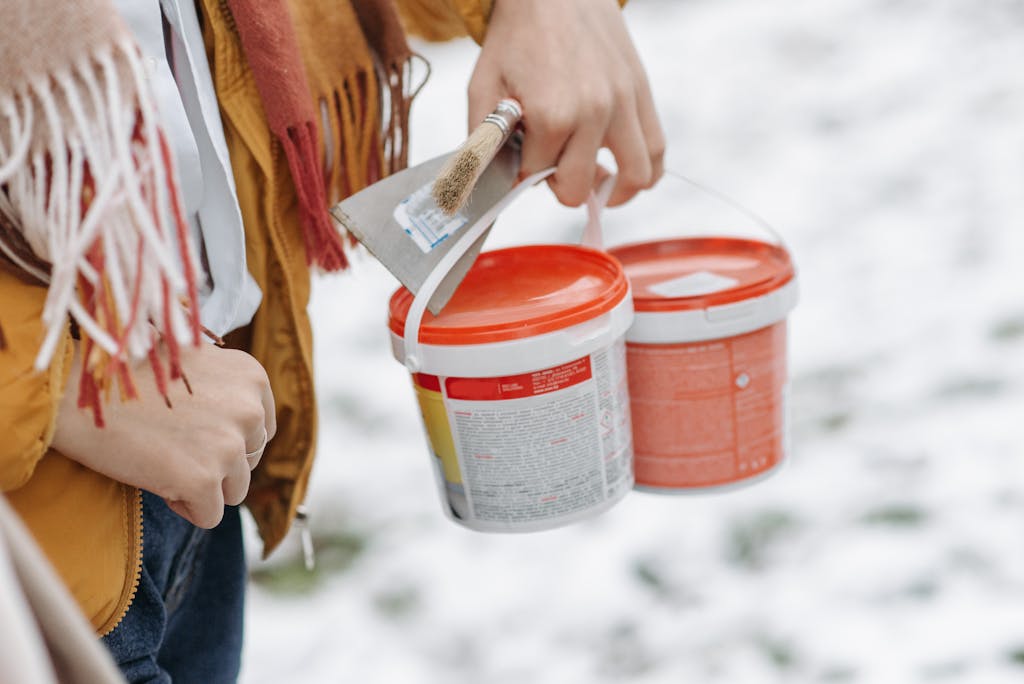
Basements often experience extreme temperatures and fluctuating humidity. When you store paint down there, the chemicals inside the cans can break down or separate, making the paint unusable. Additionally, some paints contain toxic chemicals, and improper storage can cause dangerous fumes to leak into the air. Store paint in a temperature-controlled area, such as a garage or a storage shed.
Bedding and Pillows
Storing bedding, pillows, and linens in the basement exposes them to moisture, which can lead to mildew and mold. These fabrics absorb damp air, creating an unhealthy environment. The smell of musty linens can make your entire room feel unpleasant.
Books and Magazines
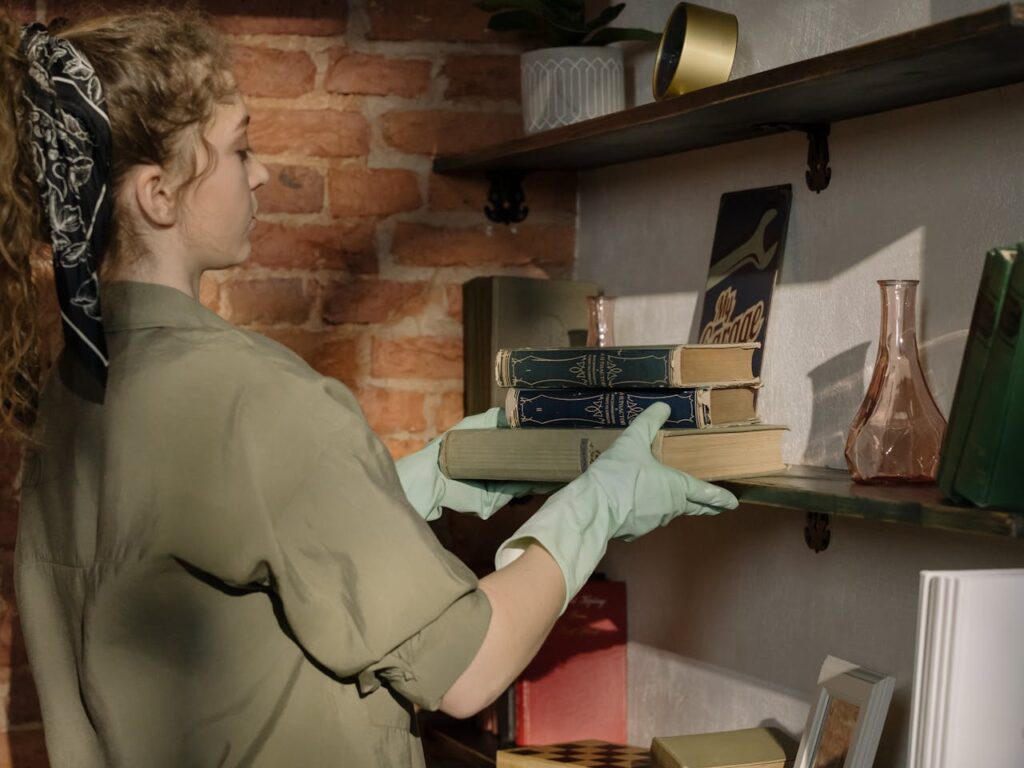
Books are a staple in many homes, but they don’t belong in the basement. Basements with high humidity can cause the pages of books to warp, discolor, or even grow mold. This can quickly ruin your collection, especially if it’s a rare or valuable set.
Painted Wood Furniture
Wood furniture that’s been painted or stained should not be stored in your basement. The temperature fluctuations and moisture in the basement can cause the paint to crack or peel, ultimately ruining the piece’s appearance. Over time, the wood can absorb moisture, leading to structural damage. Store painted wood furniture in a dry, temperature-stable area, such as a living room or bedroom.