Food myths persist because they sound neat, memorable, and easy to reference. However, real nutrition and food safety aren’t based on oversimplified rules or fads. The strongest advice comes from understanding patterns, cooking temperatures, portions, and science-backed evidence, not from dramatic rules that label one ingredient a hero and another a villain.
Cooking With Alcohol Does Not Make the Alcohol Disappear

It’s common to assume that cooking removes all traces of alcohol in food. However, the reality is far from that. Alcohol retention varies significantly depending on the cooking method. Simply setting alcohol on fire in a pan only reduces the alcohol content by about 25%. Even after 2.5 hours of simmering, about 5% alcohol may remain. This means that dishes containing alcohol should be carefully considered, especially for children, people avoiding alcohol, or those in recovery.
Weight Loss Is Not About a Miracle Food or a Single “Bad” Food
We do not lose body fat because one trendy ingredient “melts” it away, nor do we gain weight because one ordinary food is uniquely cursed. The core mechanism for weight loss remains energy balance: consuming fewer calories than we burn. Healthy weight loss is more than just arithmetic. It involves sleep, stress, activity, and eating patterns, all of which affect our ability to maintain a healthy weight. Healthy weight loss occurs when we adopt sustainable habits that cut calories without leaving us hungry or irritable.
Salt Is Essential, but Excess Salt Is Not Harmless
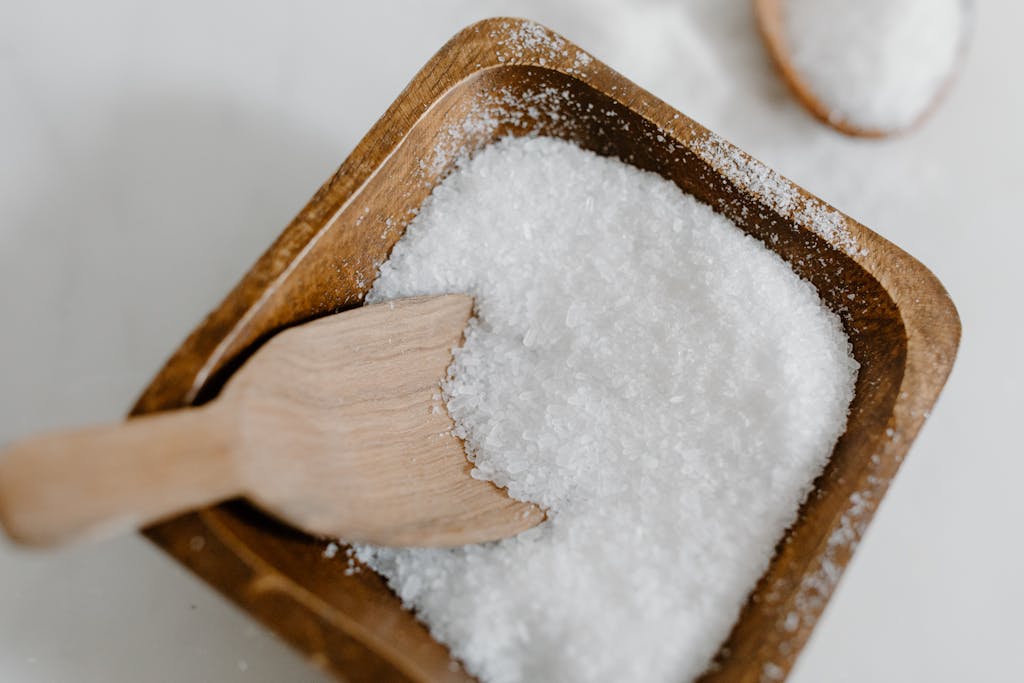
While salt is essential for our body’s functions, it is not something to consume in excess without consequence. Our bodies need sodium, but too much salt, particularly over long periods, can lead to elevated blood pressure, heart disease, and stroke. It is vital to be mindful of salt intake, especially since most people consume far more than the recommended daily limit. Moderation is key when adding salt to food.
Grilled Meat Is Not Automatically Toxic, but Heavy Charring Is Not a Free Pass
Grilled meat is not inherently harmful, but consuming it in large quantities with heavy charring is not without risk. Cooking meat at high temperatures, especially when it becomes blackened or burnt, creates chemicals linked to cancer risk. While the research on this is mixed, it is a smart choice to avoid overcooking meat and to reduce reliance on heavily charred portions. Moderation and proper grilling techniques can help ensure we enjoy our meals without unnecessary risk.
Pork Is Safer at Lower Temperatures Than Many People Think, but Poultry Is Different

The myth that pork must be cooked well-done to be safe is outdated. In fact, pork can be safely cooked at lower temperatures, resulting in juicier, more flavorful meat. However, poultry, such as chicken, must always reach a higher temperature to ensure safety. While it is safe to consume pork cooked to 145°F with a 3-minute rest, poultry should be cooked to at least 165°F to reduce the risk of foodborne illness.
The Claim That Humans Are Built for Only One “Correct” Diet Does Not Hold Up
Food arguments often become heated, with people claiming that humans are meant to eat only one specific type of diet. However, human evolution has demonstrated that we can adapt to a wide range of diets. Early humans ate a combination of plants and meat, and their ability to adapt to different environments is what enabled us to evolve into the species we are today. There is no single diet that suits every individual, and claims that one diet fits all are both outdated and unscientific.
Organic Food Is Not Automatically More Nutritious, Lower-Calorie, or Safer in Every Way

The organic label often conveys an assumption of nutritional superiority and safety. However, organic food is not automatically better than conventionally grown food. While organic produce may contain fewer pesticide residues, it is not proven to be more nutritious or lower in calories. Additionally, organic farming uses natural pesticides, which may pose risks of their own. Just because food is organic does not guarantee it is more nutritious, safer, or better for the environment.
Fiber Is Not Old-Fashioned Advice. It Still Matters for Cancer Risk
Fiber is still a critical component of a healthy diet and plays an important role in reducing the risk of colorectal cancer. Many people dismiss fiber as outdated advice, but the evidence shows otherwise. A fiber-rich diet, full of fruits, vegetables, whole grains, and legumes, remains one of the simplest and most effective ways to reduce cancer risk. Despite trendy diets, fiber should remain a priority for those looking to reduce their risk of chronic disease.
“Natural” Does Not Mean Safe, Effective, or Better
The term “natural” has been used to sell countless products, from supplements to beauty items. However, the belief that natural products are always better, safer, or more effective is misleading. Some natural substances can be harmful or ineffective. For example, natural remedies like kava and ephedra have been linked to serious health risks. “Natural” does not automatically equate to safety or quality, and we should be cautious about blindly trusting products based solely on their marketing.
The Best Food Rule Is Measurement, Not Myth

Food advice tends to be loud and sensational, but the truth lies in measured habits. Reliable food guidelines come from consistent measurement, whether it’s using a thermometer to ensure meat is cooked to a safe temperature or tracking calorie intake to maintain a healthy weight. Myths like “salt kills” or “fiber prevents cancer” oversimplify complex issues. The best food rules are those supported by evidence and verifiable, not those based on anecdote or hearsay.
Conclusion
The best food advice doesn’t come from dramatic claims or outdated myths. We should focus on measurable habits, portion control, cooking temperatures, and evidence-based nutrition rather than relying on folklore or misleading labels. As we move toward a more informed, science-backed approach to eating, we can make smarter, healthier choices for ourselves and those around us.