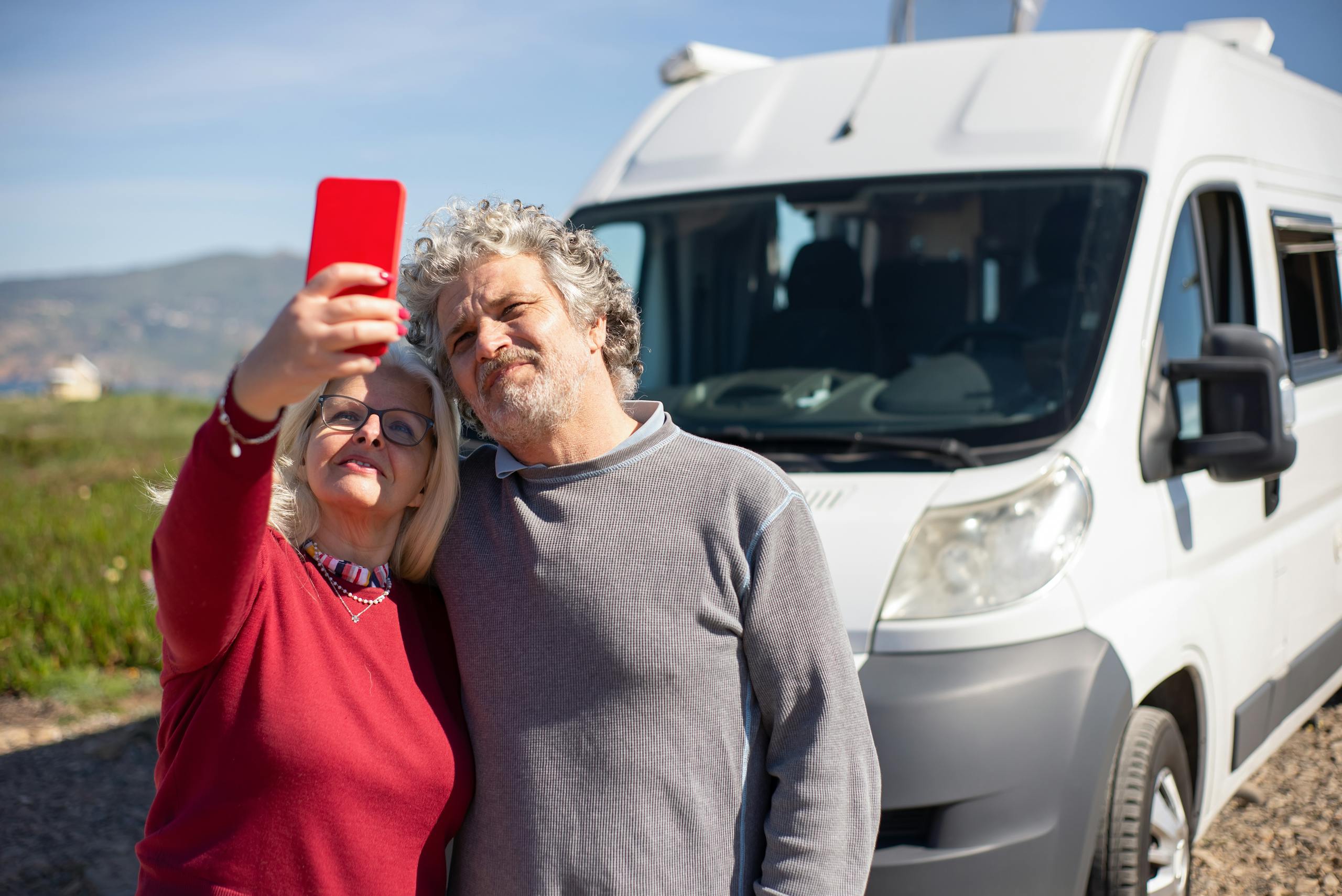
Traveling with your dog can be a wonderful experience, but it requires careful planning and consideration. Whether you’re heading on a road trip, flying across the country, or simply exploring a new destination, it’s crucial to ensure your dog’s safety and comfort throughout the journey. Here, we’ve compiled 12 essential tips to make your travel experience with your dog as stress-free as possible.
Never Leave Your Dog Alone in a Car
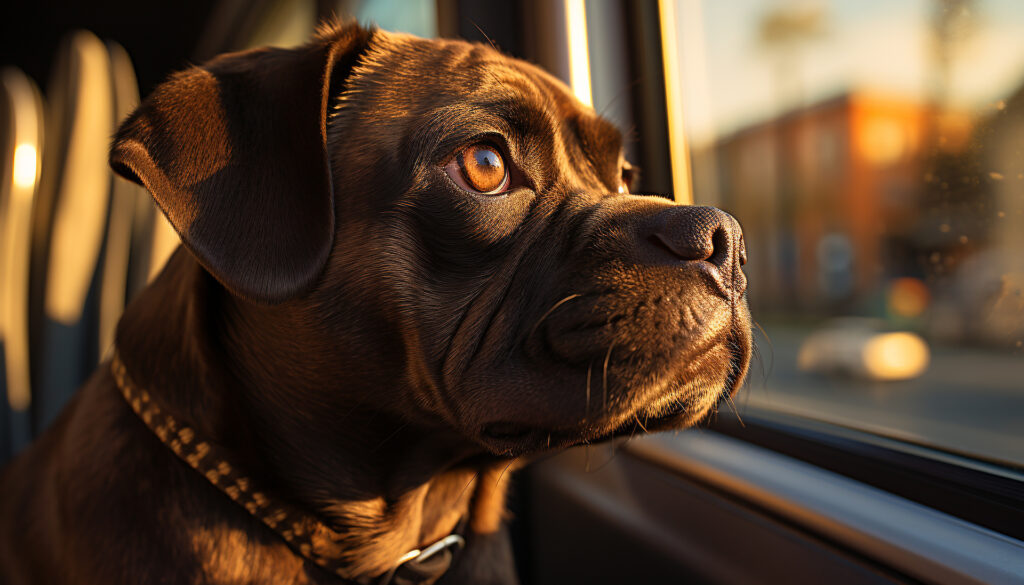
Leaving your dog alone in a car is dangerous, even for short periods. On hot days, temperatures inside a car can rise quickly to dangerous levels, leading to heatstroke and even death. Always ensure your dog is safely secured in a pet carrier or in the back seat with you. If you need to stop somewhere, take your dog with you or opt for pet-friendly locations.
Don’t Skip the Pre-Travel Vet Visit
Before embarking on your trip, schedule a visit to the vet. Your dog should be up to date on vaccinations, flea and tick prevention, and overall health checks. Discuss any concerns about traveling, particularly if your dog is prone to anxiety or motion sickness. A vet can offer helpful advice and medications to make the journey smoother.
Avoid Overpacking Your Dog’s Supplies
While it’s important to bring your dog’s essentials, avoid overpacking. Stick to the basics: food, water, medications, toys, and grooming tools. Overpacking can cause unnecessary bulk and confusion, especially when navigating airports or staying in unfamiliar places.
Don’t Neglect Your Dog’s Comfort

Whether traveling by car, plane, or train, comfort should always be a priority. Ensure your dog has a comfortable, familiar space in their crate or carrier. Include their favorite blanket or bed to provide a sense of security. Make sure they have room to stand, turn around, and lie down comfortably.
Never Ignore Potty Breaks
Long trips can mean long hours without bathroom breaks, but it’s vital to stop and let your dog relieve themselves. Plan frequent stops if traveling by car and make sure to walk your dog during airport layovers or before boarding flights. Withholding bathroom breaks can lead to discomfort and accidents.
Don’t Forget Identification Tags
In case your dog gets lost during the trip, ensure they have proper identification. Double-check that their ID tags are up to date with your current contact information. Consider getting a microchip as an extra layer of security in case the collar comes off.
Never Feed Your Dog Right Before Traveling

Feeding your dog right before travel can lead to motion sickness and discomfort. Instead, feed your dog a light meal about four hours before departure. This will help prevent nausea and ensure your dog has enough energy for the journey.
Avoid Rushing Through Security at the Airport
If you’re traveling by plane, it’s easy to get stressed during security checks. But rushing through the process can be overwhelming for your dog. Allow enough time for the security screening, and ensure your dog is in a comfortable harness or carrier. Never take your dog out of the carrier unless instructed by airport security.
Never Leave Your Dog in Unfamiliar Places Unattended

While you might want to explore new areas, leaving your dog in an unfamiliar hotel room or public place can be risky. Your dog might become anxious, scared, or destructive. Always supervise your dog in new environments, or arrange for pet-sitting services if you need to step out.
Don’t Allow Your Dog to Roam Unrestrained in the Car
When driving, your dog should always be safely secured. An unrestrained dog can distract the driver, cause accidents, or even be injured in a sudden stop. Use a harness, dog seat belt, or crate to secure your dog and ensure their safety during the journey.
Avoid the Wrong Type of Crate
Not all crates are suitable for travel. Avoid using crates that are too small, too large, or poorly ventilated. Your dog should be able to stand, sit, and turn around comfortably inside. Choose a crate that is airline-approved (if flying) and designed for travel to ensure maximum safety and comfort.
Don’t Forget About Your Dog’s Mental Health
Traveling can be stressful for dogs, especially when it involves long hours, new surroundings, and unfamiliar people. Take breaks for playtime, walks, or short potty breaks to help keep your dog mentally stimulated and calm. A tired, well-exercised dog is less likely to get anxious or overly excited.