Energy efficiency in our homes isn’t just a trendy concept; it’s essential for reducing utility bills and contributing to a healthier environment. Yet, many of us unknowingly waste energy every day. From appliances that consume more than they should to simple habits that drain your home’s resources, energy waste is a silent culprit that impacts both your wallet and the planet. Here are 10 common ways you’re wasting energy at home, along with practical tips to put a stop to them.
Leaving Appliances Plugged In
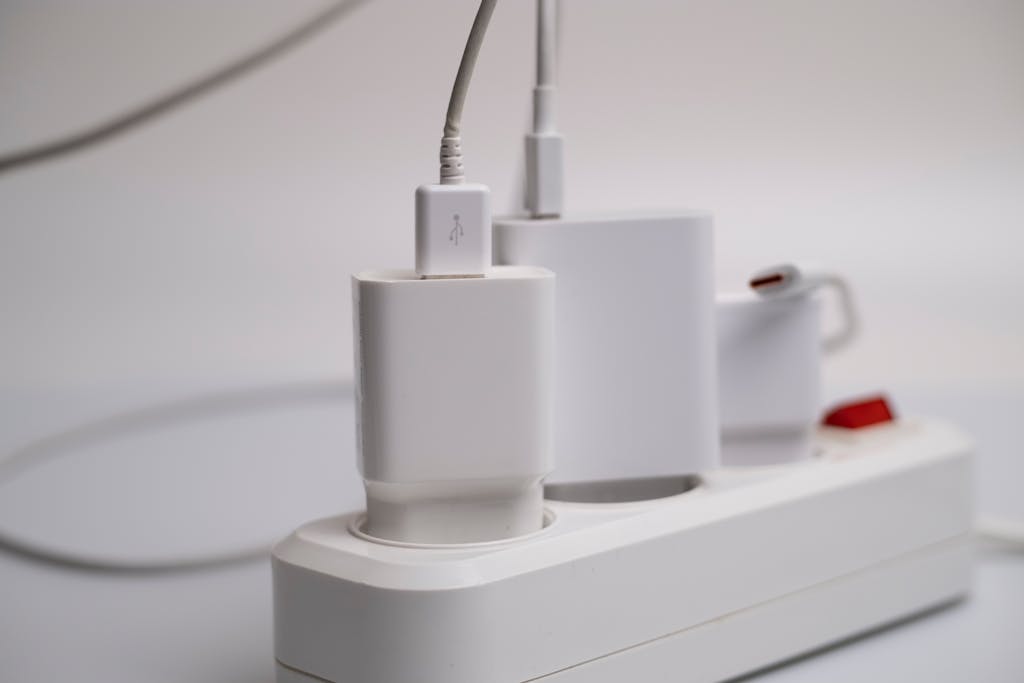
Did you know that devices left plugged in, even when turned off, can still use energy? This phenomenon is called “phantom load.” Electronics like phone chargers, televisions, and gaming consoles continue to draw power, wasting energy without serving any useful purpose. Unplug devices when they’re not in use, or use power strips to easily disconnect multiple electronics at once. Smart power strips can even cut power when devices are in standby mode.
Overheating Your Home
Turning your thermostat up too high during the winter months is a surefire way to burn through energy. Every extra degree increases your heating bill and wastes energy. Set your thermostat to 68°F (20°C) in winter. Lower it at night or when you’re away, and consider investing in a programmable thermostat to automatically adjust the temperature when needed.
Using Old Appliances
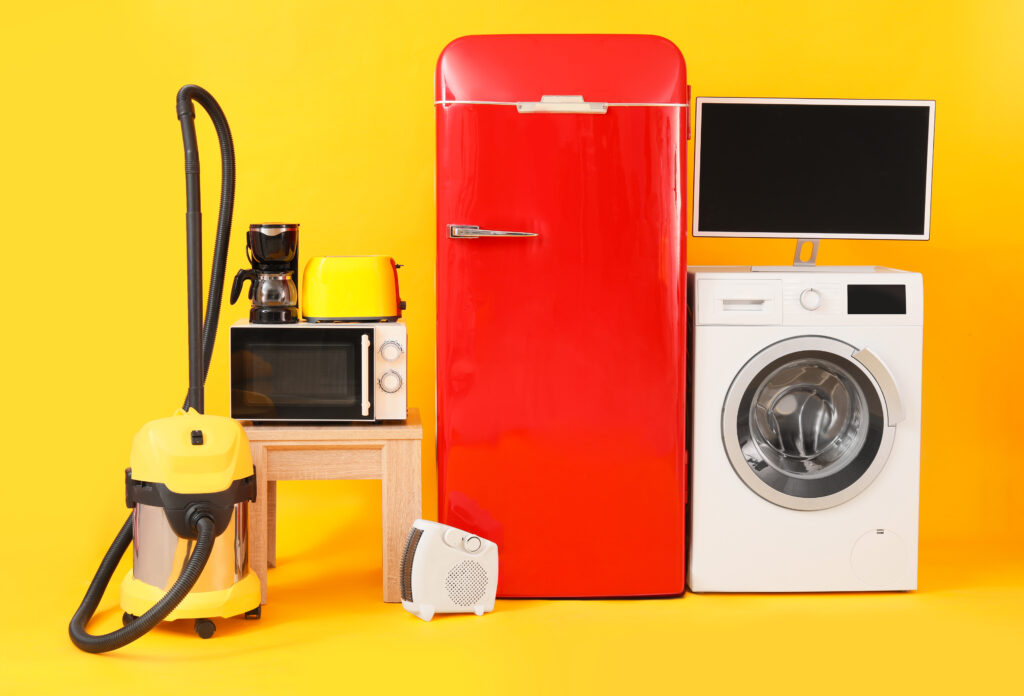
Older appliances tend to use more energy than newer, Energy Star-rated models. For example, an old refrigerator or washing machine can consume up to 50% more energy than a newer model. Consider replacing old appliances with energy-efficient ones. Look for Energy Star certification, which indicates that the appliance meets stringent energy efficiency standards.
Leaving Lights On When Not in Use
Leaving lights on in rooms you’re not in is an energy-wasting habit that many people overlook. Whether it’s a light in the hallway, kitchen, or living room, it’s an easy habit to break.
Turn off the lights when you leave a room. Use motion-sensor lights in frequently used areas to ensure they only turn on when needed.
Using the Dryer Too Often

Dryers are notorious energy hogs. Whether you’re drying clothes once a week or every other day, they can account for a significant portion of your electricity bill. Air-dry clothes when possible, or use your dryer’s lower heat setting. If you must use the dryer, be sure to clean the lint trap regularly to ensure efficient operation.
Heating or Cooling an Empty Home
Adjusting the thermostat when you’re not home wastes energy. Many people forget to turn off heating or cooling systems when leaving the house, leading to excess energy consumption. Use a programmable thermostat to automatically adjust the temperature when you’re out. Setting your thermostat to a higher or lower setting while you’re away can save substantial energy.
Running Half-Filled Dishwashers or Washers
Running a dishwasher or washing machine with just a few items uses the same amount of water and electricity as running it full. This leads to unnecessary waste and higher utility bills. Only run your dishwasher or washer when it’s full. If you must wash a smaller load, consider adjusting the water and energy settings and using an eco-friendly cycle whenever possible.
Ignoring Window Insulation
Poorly insulated windows can lead to significant energy loss. During winter, heat escapes through gaps around windows, and in summer, it pours in, increasing cooling costs. Invest in energy-efficient windows or seal gaps and cracks around windows with weatherstripping or caulk. Using thick curtains or blinds can also help regulate indoor temperatures.
Cooking with the Oven Door Open
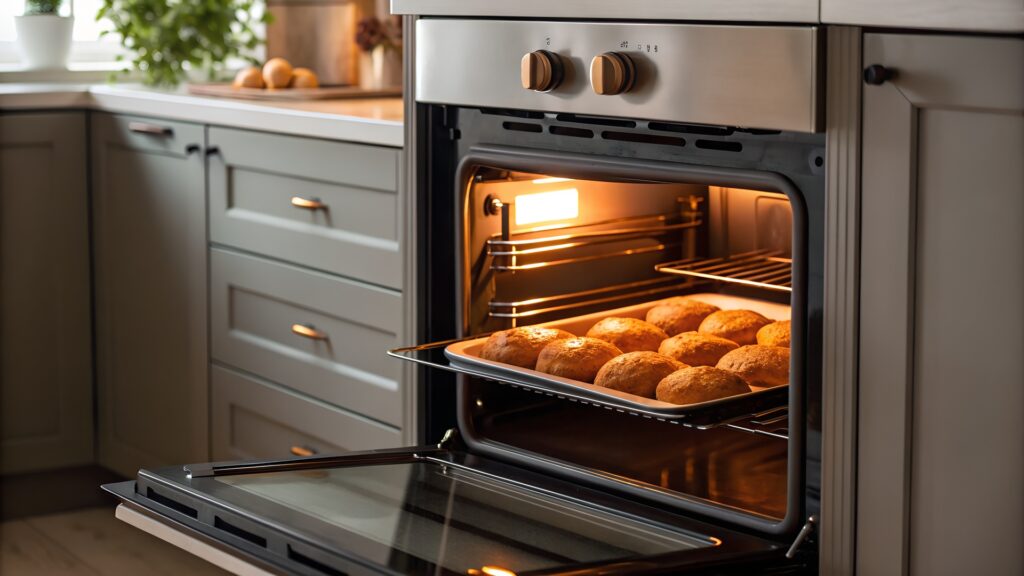
It’s tempting to open the oven door to check on your food, but doing so wastes heat and forces your oven to work harder, using more energy to maintain the temperature. Avoid opening the oven door while cooking. Instead, use the oven light to check the progress of your food. If your oven doesn’t have a window, it’s best to wait until the end of the cooking time to avoid heat loss.
Using the Wrong Lighting
Traditional incandescent light bulbs use more energy and burn out faster than modern alternatives. These old bulbs are being replaced with LEDs for a reason: they’re significantly more efficient and longer-lasting. Switch out incandescent bulbs for LED bulbs, which use at least 75% less energy and last up to 25 times longer. LEDs are available in a range of color temperatures and brightness levels to suit any room.
Conclusion
Energy waste is everywhere, but by making a few small adjustments, you can significantly reduce your household’s energy consumption. Start with these simple changes: unplug electronics when not in use, reduce your heating and cooling costs, replace old appliances, and use energy-efficient lighting and heating systems. As you incorporate these tips into your daily routine, not only will you save on your energy bills, but you’ll also help reduce your carbon footprint. The changes are simple, but the impact is lasting.