It’s easy to go through the motions of your daily life without realizing how certain habits are silently ramping up your anxiety. While anxiety can often feel like it comes out of nowhere, the truth is that your daily choices may be feeding the stress monster without you even noticing.
Whether it’s your obsession with checking your phone, your constant comparisons with others, or your neglect of your physical well-being, some habits can unknowingly contribute to a cycle of unease. Let’s explore eight habits that could be making your anxiety worse—and how you can take small steps toward reducing their impact.
Constant Comparisons

While social media can connect us with others, it often becomes a breeding ground for comparison. Whether it’s comparing your body, achievements, or lifestyle to someone else’s highlight reel, the constant comparison only fuels self-doubt and anxiety.
Remember, what you see online is often far from reality. Shift your focus from external validation to internal growth by setting personal goals and appreciating your own progress.
Not Enough Sleep
We all know sleep is essential, but it’s easy to underestimate its impact on mental health. Sleep deprivation is a well-known anxiety trigger, leaving you feeling irritable, foggy, and vulnerable to stress. The lack of restorative sleep can turn minor worries into mountains.
To break the cycle, establish a consistent bedtime routine and create a calm, restful environment to improve sleep quality.
The Phone Habit

In a world where we’re constantly connected, it’s no surprise that our phones are one of the biggest culprits in fueling anxiety. That compulsion to check your device every few minutes? It’s more than just a distraction. Constantly scrolling through emails, news, and social media can leave you feeling overwhelmed and out of control.
The relentless flood of information doesn’t allow your brain to truly relax, leading to mental burnout. To take back control, try designating phone-free times throughout the day, especially in the morning and before bed.
Overconsumption of Caffeine
It’s tempting to reach for another cup of coffee or an energy drink when you’re feeling tired, but too much caffeine can be a hidden culprit behind anxiety. While it gives you a quick boost, it also increases your heart rate and triggers feelings of nervousness.
If you’re someone who can’t skip the morning coffee, consider switching to decaf or herbal teas to keep your energy levels steady without adding to your stress.
Saying Yes to Everything

We’ve all been there—saying yes to one more task, event, or favor because we don’t want to disappoint anyone.
But overcommitting yourself can quickly lead to burnout and anxiety. Trying to juggle too many things at once prevents you from giving your full attention to what matters most. Start setting boundaries by learning to say no when necessary and protecting your time. Your mental health will thank you.
Avoiding Emotions
Suppressing emotions is a habit many people adopt to avoid feeling vulnerable. Yet, ignoring anxiety or sadness doesn’t make it go away. It builds up until it finds an outlet in the form of stress.
Instead of bottling up your feelings, allow yourself space to process emotions. Journaling, talking to a friend, or practicing mindfulness can help you navigate your emotions without feeling overwhelmed.
Perfectionism
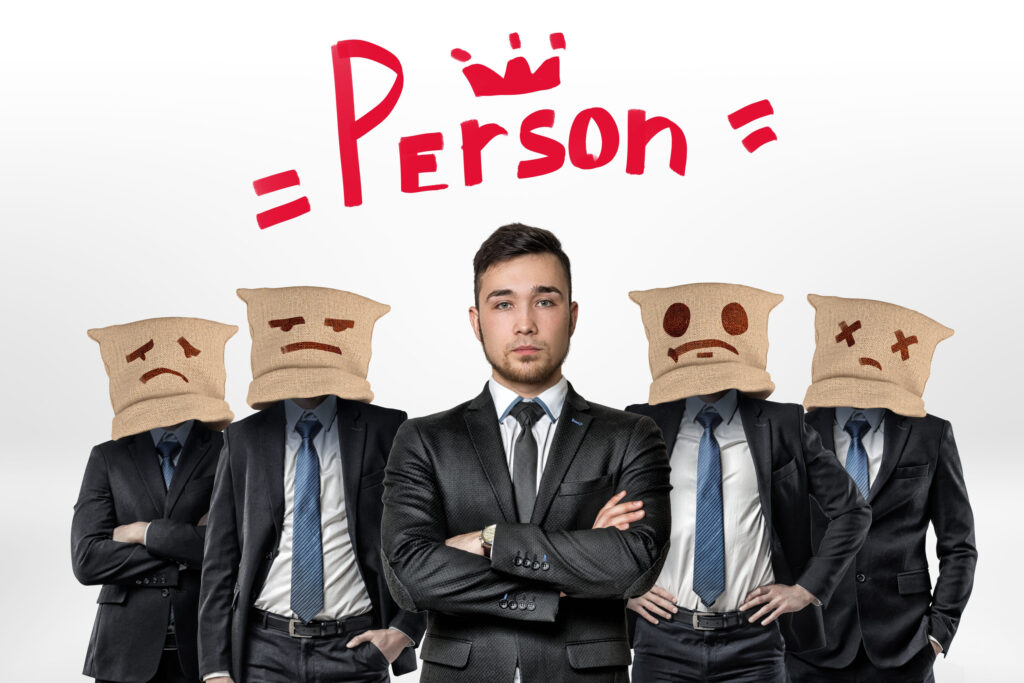
The desire to do everything perfectly may feel like it’s in your control, but in reality, it’s a recipe for constant stress. Perfectionism leads to unrealistic expectations and fear of failure, which only heightens anxiety.
Allow yourself to embrace imperfection and learn to celebrate progress rather than perfection. It’s okay to make mistakes along the way—it’s part of growth.