Mouthwash may seem like a quick, effective addition to your oral care routine. You swish, your mouth feels fresher, and it appears you’re making an extra effort for your teeth and gums. However, not all dentists agree on its value. Some view it as beneficial, while others see it as optional rather than essential.
The reality about mouthwash is more nuanced. While it can be valuable in some cases, the wrong product or improper use can lead to unexpected complications.
Dentists do not fully agree on it.

A key surprise is that dentists are divided on the necessity of mouthwash. Some say a well-selected mouthwash can boost your oral care by reaching areas a toothbrush misses. Others insist daily oral health relies on brushing, flossing, and tongue cleaning, with mouthwash playing a secondary role.
This means mouthwash isn’t inherently necessary. For some, it adds benefits, while for others, it offers little if the basics are covered.
It cannot replace brushing and flossing.
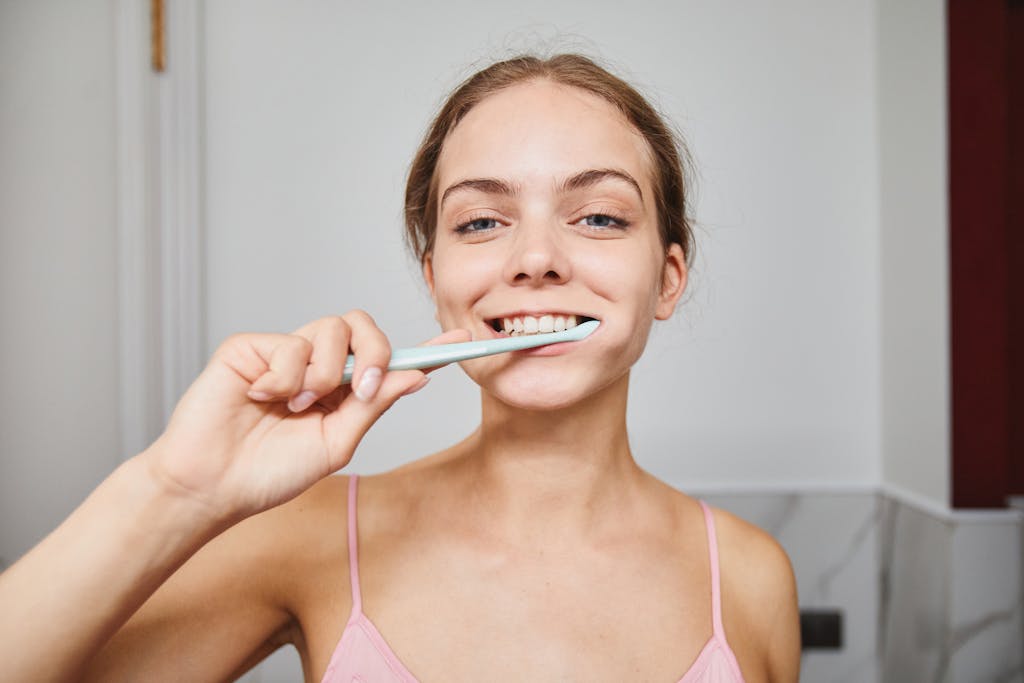
While mouthwash may seem like a shortcut, it doesn’t replace brushing and flossing. Mouthwash can freshen your breath and supply beneficial ingredients, but it can’t physically clear plaque as brushing and flossing do. Those remain the foundation of good oral hygiene.
This is an area where confusion is common. Swishing mouthwash can create a false sense of cleanliness. In reality, mouthwash should complement, not substitute, brushing and flossing.
That burning feeling does not mean it is better.

Many assume a stronger burn means a better mouthwash. The intense sensation can deceive you into thinking it’s more effective, but the burn usually results from alcohol or flavoring, not stronger cleaning.
In fact, a strong burn may indicate irritation instead of efficacy. Mouthwashes high in alcohol can dry your mouth, causing irritation or even peeling of the mucous membranes. Stronger isn’t always better, especially if it harms your mouth.
Some mouthwashes can wipe out good bacteria, too.
Antimicrobial mouthwashes aim to kill bacteria but can target both harmful and beneficial types. Maintaining a healthy balance of mouth bacteria is crucial for oral health. Disruption can increase your risk of discomfort or infection.
Many think eliminating more germs is better, but the mouth functions as a balanced ecosystem. Overly strong mouthwash can disrupt this balance in subtle but significant ways.
Reading the label matters more than most people think.
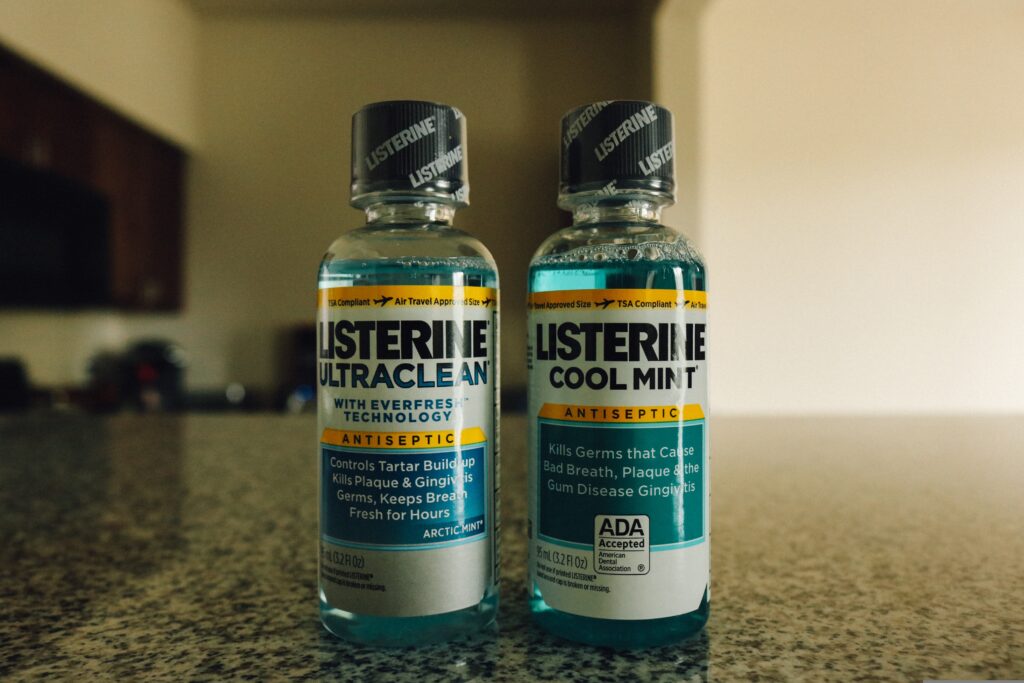
A mouthwash’s ingredient list reveals if it suits you. Ingredients like alcohol or sodium lauryl sulfate can cause irritation, and a higher pH may foster healthier oral bacteria.
Even “natural” mouthwashes can cause issues. Essential oils used in “natural” mouthwashes can cause problems. Essential oils in these formulas may irritate your mouth or disrupt oral bacteria. That’s why you should choose a mouthwash based on its ingredients and how well it suits your needs, not just marketing. Considering that strong antimicrobial mouthwashes might affect oral bacteria that play a role in converting dietary nitrates into nitric oxide, a compound involved in regulating blood pressure. If those bacteria are reduced too often, it could potentially affect your blood pressure and overall health.
Although research is ongoing, it’s worth consideration. If you have cardiovascular concerns, use powerful antimicrobial rinses with caution over time.
It can cover up bigger problems.
Mouthwash is great at masking bad breath temporarily, but chronic bad breath could be a sign of something more serious, like dry mouth or gum disease. While a minty rinse can make your mouth feel fresher, it may not address the underlying issue.
While mouthwash can freshen your breath, persistent bad breath requires professional attention. Instead of relying on a quick fix, see your dentist to address the root cause of the problem.
Conclusion
Mouthwash isn’t a magic solution, but it can be a helpful tool in the right circumstances. It can support your routine, especially if chosen for specific needs, but it should never replace brushing and flossing, and it may come with trade-offs depending on the formula.
The best approach is simple: use mouthwash as a supplementary tool, choose it carefully based on your needs, and remember that fresh breath isn’t the same as a completely healthy mouth.