Bleach is an incredibly effective cleaner for many tasks, but it can damage or render certain surfaces unusable. While it’s tempting to reach for this powerful disinfectant for everything from countertops to clothes, some materials require a gentler touch. Here’s a guide to the top 10 items you should never clean with bleach, along with the best alternatives to ensure longevity and safety.
Stone Countertops

Stone countertops, such as granite and marble, are durable but sensitive to harsh chemicals. Bleach, being acidic, can strip away the protective sealant and dull the natural stone, leading to permanent discoloration and surface etching.
Instead of bleach, use a mild dish soap mixed with warm water to clean your stone counters. If you’re looking for something specifically designed for stone, look for cleaners labeled “safe for granite or marble.” Make sure to regularly reseal your countertops to maintain their integrity.
Foods and Food Preparation Surfaces
While it’s natural to want to sanitize your kitchen thoroughly, bleach is a dangerous choice for cleaning anything that will come into contact with food. Bleach residues can persist and seep into your food, posing serious health risks.
Instead of bleach, rinse your produce with clean water or use a specially formulated vegetable wash. Avoid washing raw meats with any cleaning products, as it can promote cross-contamination. For countertops, stick to warm, soapy water.
Stainless Steel
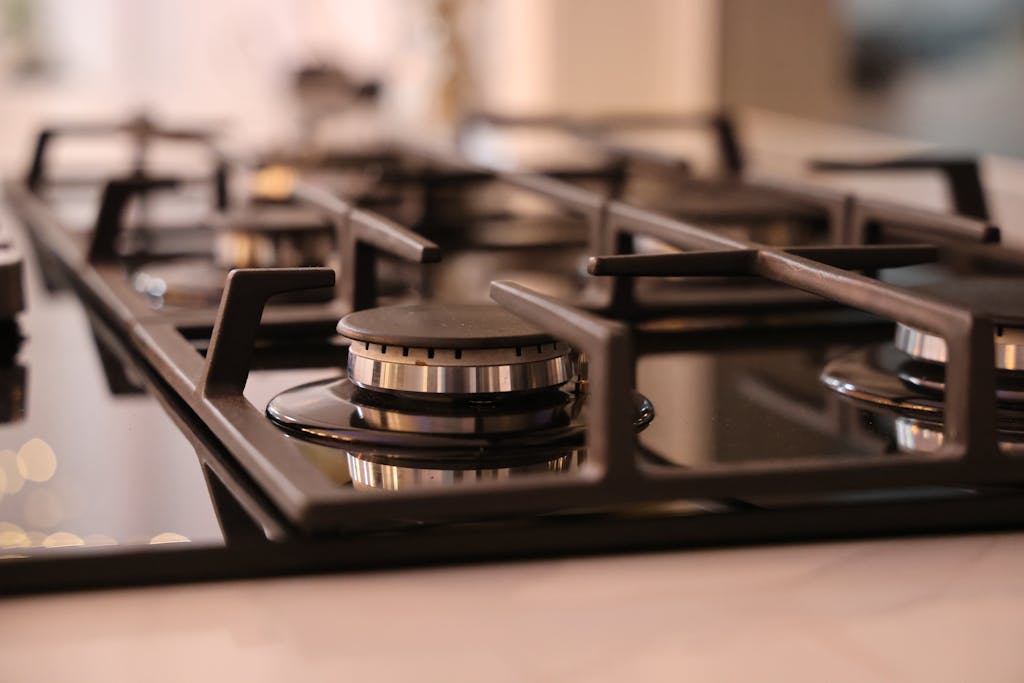
Stainless steel appliances look sleek, but bleach can cause corrosion. The bleach’s high oxidizing power damages the protective layer on stainless steel, leading to pitting, discoloration, and irreversible damage.
For regular cleaning, use a mild soap and water solution. You can also use a vinegar-and-water mixture to polish your stainless steel surfaces and maintain their shine. For stubborn stains, make a paste from baking soda and water.
Wood Floors
Wood surfaces are porous, and bleach can seep into the fibers, discoloring, warping, and even weakening the structure. Over time, this leads to irreparable damage, leaving you with unsightly floors that may need to be replaced.
Stick to a gentle approach; mild soap and water will do the job. For added protection, use a wood floor cleaner formulated to preserve the wood’s natural finish. Consider waxing or oiling wood floors regularly to keep them in top condition.
Pet Products
Pets often chew on their toys or come into contact with their bedding, and using bleach to clean their items can expose them to harmful chemicals. Bleach can cause skin irritations and respiratory issues for pets, especially when residues are left behind.
Opt for pet-safe cleaners available at most pet stores, or use a mild soap and warm water mixture to clean pet products. Be sure to rinse thoroughly to avoid any lingering residues that could harm your pet.
Painted Surfaces
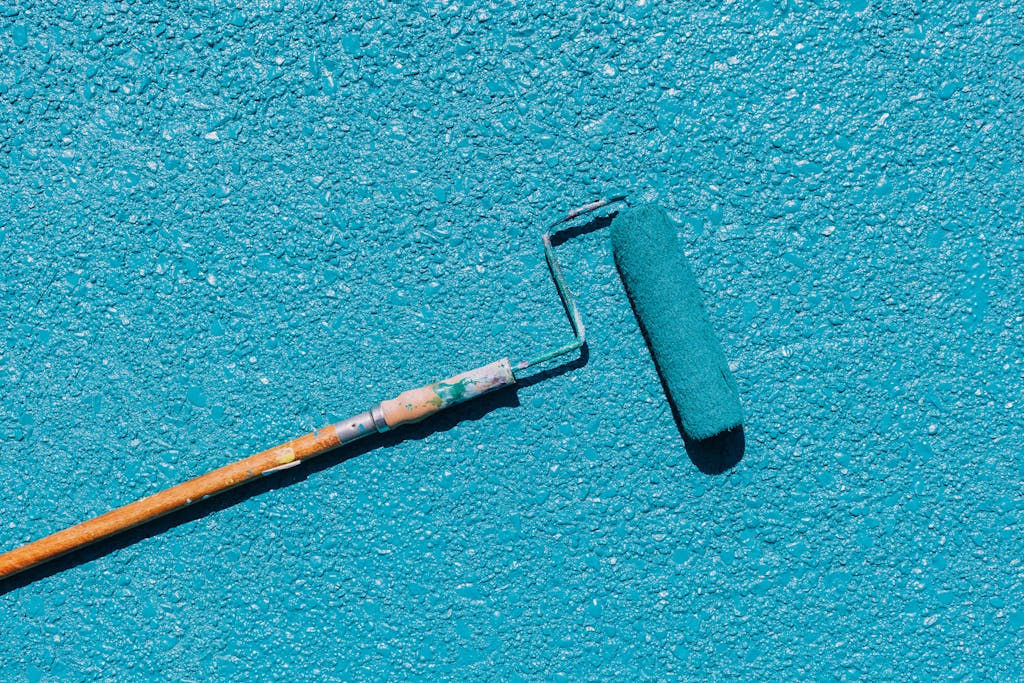
Whether it’s your walls or furniture, bleach will leave painted surfaces looking worse for wear. It causes discoloration and dulling and can break down the paint, leaving behind unsightly spots and streaks.
Use a damp cloth with warm water and, if needed, a little dish soap. For stubborn stains, consider using a cleaner specifically designed for painted surfaces. This gentle approach will preserve the integrity of the paint.
Colored Clothing
Bleach is a notorious culprit for turning vibrant clothing into a faded, washed-out mess. The harsh chemicals in bleach strip fabric of its color, often leaving permanent stains that can’t be removed.
For colored clothes, opt for detergents specifically formulated for color protection. If stains are present, use a stain remover designed for colored fabrics. Never use bleach unless you’re cleaning white clothing.
Children’s Toys
Children’s toys, especially those that come in contact with mouths, require special care when cleaning. Bleach residue can be harmful to children’s health, so it’s best to keep bleach far away from anything your little one touches or plays with.
The best way to clean children’s toys is with soap and warm water. For more delicate toys, you can use non-toxic, child-safe disinfectants. Make sure everything is well rinsed to remove any harmful residues.
Your Hands

Bleach is a harsh chemical that’s not meant for use on skin. It can cause severe dryness, irritation, and even chemical burns when used at high concentrations or for prolonged periods.
Always wash your hands with soap and water. If soap and water are unavailable, use hand sanitizer as a substitute. Keeping your hands hydrated with a moisturizer after washing is essential to counteract the drying effects of frequent washing.
Red Wine Stains
Trying to remove red wine stains with bleach? Think again. While bleach is effective on many stains, it reacts with the tannins in red wine, often worsening the stain and making it more difficult to remove. Bleach also damages delicate fabrics, making the situation even more problematic.
For red wine stains, act quickly by blotting the area with a clean cloth, then use a vinegar-and-baking-soda mixture to neutralize the stain. There are also specialized stain removers available to tackle wine stains without risking further damage.