Agriculture has long been the foundation of human civilization, supporting the food and resource needs of billions worldwide. However, modern agricultural practices, especially those focused on high-demand crops, have escalated environmental degradation on a massive scale. The farming of certain crops accelerates climate change, deforestation, and biodiversity loss, leaving an environmental footprint far greater than many realize. It is critical to understand how the production of these crops affects our ecosystems and what steps can be taken to mitigate their impact.
Cocoa

Chocolate, made from cocoa, is a treat loved around the world, but its production is fraught with environmental and ethical challenges. The demand for cocoa, particularly in West Africa, where most of the world’s cocoa is grown, drives significant deforestation as farmers clear forests to make way for new cocoa plantations. The loss of tropical forests not only disrupts ecosystems but also contributes to climate change. Additionally, the cocoa industry faces ethical concerns, including child labor and poor working conditions. Efforts to make cocoa farming more sustainable include agroforestry practices, but progress is slow and insufficient to curb the widespread environmental destruction.
Wheat
Wheat is a staple crop that sustains billions of people worldwide. However, its production comes with a hefty environmental cost. The extensive use of synthetic fertilizers in wheat farming leads to nutrient runoff, contributing to water pollution and the formation of dead zones in aquatic ecosystems. These fertilizers, while boosting yields, also account for a significant portion of global greenhouse gas emissions. Additionally, wheat cultivation demands vast amounts of water, and the industry’s reliance on monoculture farming practices further degrades soil health, leading to erosion and biodiversity loss. Sustainable farming methods, such as crop rotation and nitrogen-fixing cover crops, can help mitigate these impacts, but large-scale adoption is needed.
Bananas
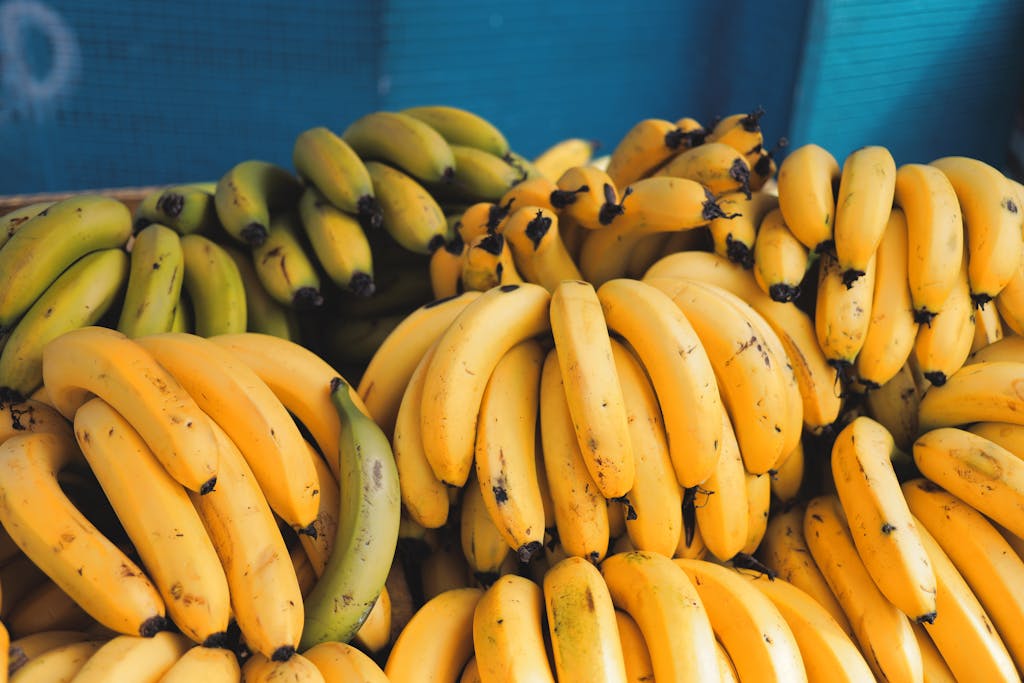
Bananas are an essential part of many diets around the world, but their production comes with serious environmental and social consequences. The banana industry relies heavily on agrochemicals, including pesticides and fertilizers, which not only contaminate water supplies but also pose health risks to workers. Monoculture farming of bananas leads to soil depletion, and the industry’s reliance on chemical inputs creates long-term environmental damage. The Cavendish variety, which dominates global banana exports, is particularly vulnerable to pests and diseases, driving the need for even more chemicals. Moreover, the environmental toll of transporting bananas across the globe results in significant CO2 emissions. The industry’s focus on cost-cutting at the expense of both workers and the environment highlights the need for reform.
Sugarcane
Sugarcane farming is responsible for significant environmental damage, particularly in regions like Brazil. The expansion of sugarcane plantations is a major driver of deforestation, particularly in areas like the Atlantic Forest, which has been drastically reduced. Additionally, sugarcane farming pollutes freshwater ecosystems with chemical runoff from fertilizers and pesticides, threatening marine biodiversity. The rise in global demand for sugarcane, used in everything from sugar to biofuels, is expected to increase the pressure on ecosystems, making sustainable farming practices crucial to prevent further degradation.
Rice

Rice is a staple food for billions of people, but its cultivation is a major contributor to climate change. Traditional rice farming involves flooding fields, which produces methane, a potent greenhouse gas. This methane is released into the atmosphere as microbes break down decaying plant matter in the waterlogged soil. Rice farming is responsible for approximately 12% of global methane emissions, contributing significantly to global warming. Alternative farming methods, such as alternating between wet and dry conditions, show promise for reducing methane emissions, but widespread adoption is necessary to make a real impact.
Cotton
Cotton is the world’s most widely grown non-food crop, supporting the livelihoods of millions. However, its environmental footprint is staggering. Cotton farming is a water-intensive process that consumes vast amounts of freshwater, often exacerbating the global water crisis. The extensive use of pesticides and fertilizers not only pollutes water and soil but also harms local biodiversity. Moreover, the destruction of natural habitats due to the expansion of cotton farms contributes to ecosystem loss. While organic cotton offers a more sustainable alternative, it is only a small fraction of global production. The cotton industry must embrace more sustainable practices to reduce its environmental toll.
Soybeans

Soybeans are a key ingredient in many processed foods and animal feeds, but their production is linked to widespread deforestation. The vast majority of soybeans are grown not for direct human consumption, but for livestock feed. This demand drives deforestation, particularly in the Amazon, where much of the world’s soybeans are cultivated. Deforestation contributes to biodiversity loss, disrupts carbon sequestration, and exacerbates climate change. The push for sustainable soy farming practices, including the certification of deforestation-free soy, is essential to mitigate the environmental impact of this crop.
Palm Oil
Palm oil is found in a wide range of products, from food to cosmetics, but its production comes at a high environmental cost. The rapid expansion of palm oil plantations has led to the destruction of tropical rainforests, particularly in Indonesia and Malaysia. This deforestation not only destroys critical habitats for endangered species but also contributes to significant carbon emissions. Palm oil farming often involves the draining of peatlands, which releases large amounts of carbon dioxide into the atmosphere. The industry’s focus on high yields and low costs has driven these environmental consequences, but sustainable palm oil certifications, such as RSPO, offer hope for reducing the negative impact.
Conclusion
While these crops contribute to feeding billions worldwide, their environmental impacts are undeniable. Deforestation, water pollution, greenhouse gas emissions, and soil degradation are just a few of the serious consequences of conventional farming practices. However, there is hope. By embracing sustainable farming techniques, such as agroforestry, organic farming, and crop rotation, we can begin to reduce the ecological footprint of these crops. Consumers also have a role to play by supporting sustainably produced goods and pushing for greater transparency in the supply chain. The path to a more sustainable future lies in responsible choices from both producers and consumers alike.