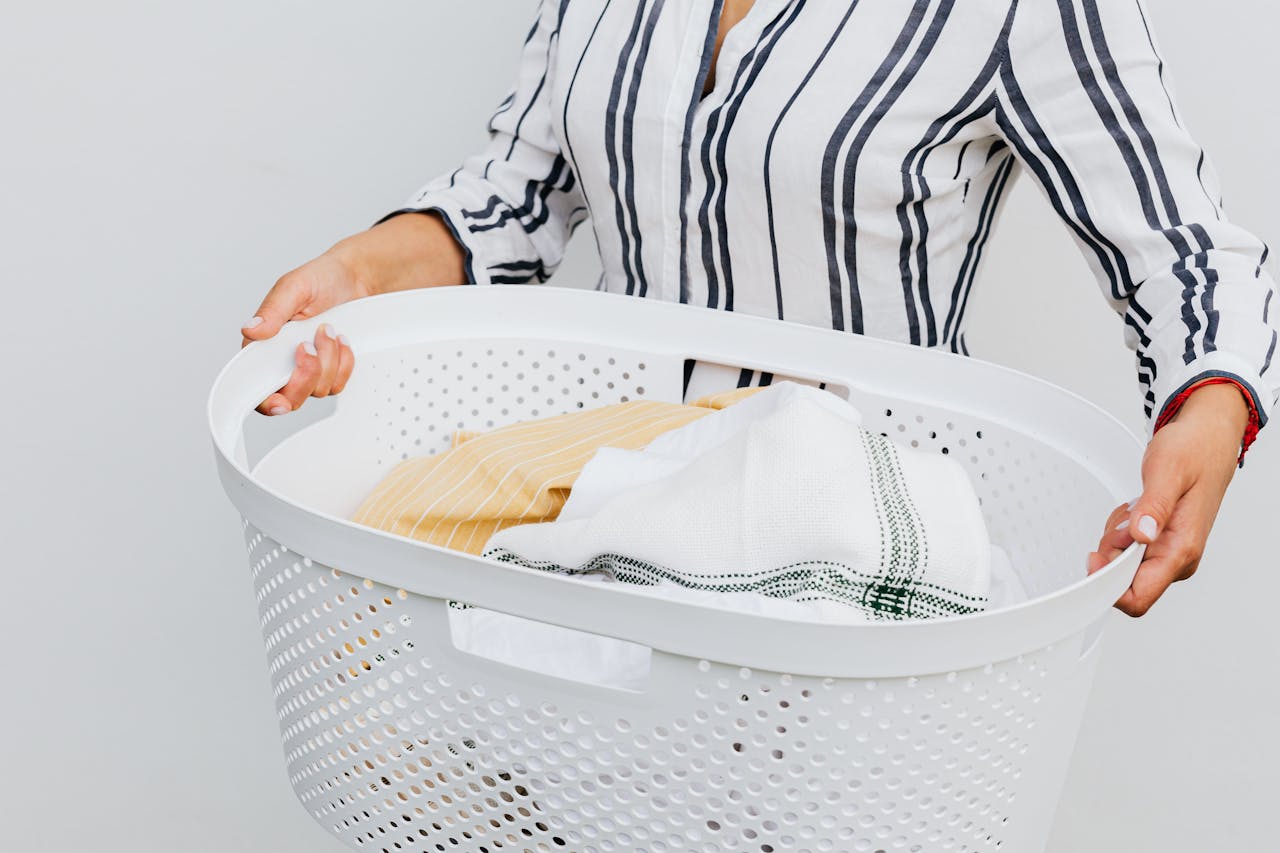
A workout does not always begin with a yoga mat, a treadmill, or a gym membership. In many homes, it starts with a shovel by the door, a mop in the hallway, a rake leaning against the garage, or grocery bags waiting at the bottom of the stairs. When we stop treating daily tasks as invisible labor and start seeing them as real physical effort, we realize that many chores quietly double as functional exercise.
That does not mean every task is safe for every person. Some chores burn impressive calories because they push the body hard, strain the heart, or force awkward lifting and twisting. The smartest approach is not to glorify every difficult task, but to recognize which chores give us useful movement, which ones deserve better technique, and which ones may be worth outsourcing when the risk outweighs the reward.
Below is a practical guide to calorie-burning chores, using approximate hourly estimates for a 160-pound adult. Actual calorie burn rises or falls based on body weight, age, pace, terrain, tools, and effort level, but the ranking still gives us a strong picture of which chores pull the most weight.
Carrying Boxes and Household Items

Few chores spike our effort like moving day. Carrying boxes, hauling furniture, shifting storage bins, and walking back and forth through hallways or up staircases can burn around 356 calories in an hour.
That number makes sense when we consider how much of the body has to work at once. The legs drive each step, the core braces under load, the arms stabilize awkward weight, and the lungs work harder every time we climb or pivot with something heavy in our hands.
This is one of the rare chores that feels like strength training and cardio at the same time. The mistake we make is assuming everyday objects are harmless because they belong to us. In reality, a badly packed box can be harder to manage than a dumbbell because the weight shifts inside it.
We should squat instead of folding at the waist, keep loads close to the body, and break heavy items into shorter trips. The faster we try to finish, the more likely we are to injure the lower back, shoulders, or knees.
Shoveling Snow
Snow shoveling can burn about 297 calories per hour, which is why it often feels brutal after only a short session. The body works against cold air, heavy snow, slippery footing, and repeated bending and lifting.
That combination creates a demanding full-body task, especially when the snow is wet and dense. It may look like a simple winter cleanup, but it’s more like high-intensity interval training.
It is also one of the chores that deserves the most caution. The strain on the heart, back, and shoulders can rise quickly, especially in cold weather and especially for people with heart risks, low fitness, or a history of back pain.
We should warm up before stepping outside, dress in layers, push snow when possible rather than lift it, and take short breaks instead of trying to clear everything in one heroic stretch. In some cases, the smarter move is not a tougher effort but better judgment, especially after heavy storms.
Scrubbing Floors
Scrubbing floors by hand burns about 267 calories per hour, and the number feels believable the moment we spend time on our knees pushing through stubborn dirt.
This is not a glamorous exercise, but it is undeniably physical. Reaching forward, bracing the core, shifting body weight, and pushing against resistance turns a basic cleaning session into a steady muscular effort.
What makes this chore effective is the time under tension. We stay active without long pauses, and the body keeps adjusting position. It challenges the shoulders, chest, core, hips, and thighs more than many people expect.
The danger is not dramatic, but repetitive strain is real. We should switch sides, avoid collapsing into the lower back, and use knee support if needed. When done carefully, floor scrubbing is one of the clearest examples of how housework can count as serious movement.
Cleaning Gutters
Cleaning gutters burns roughly 237 calories per hour, but that figure isn’t what matters most. The real issue is the setting. This chore combines climbing, balancing, reaching, twisting, and debris removal while standing on a ladder. The body stays engaged the whole time, especially through the core and legs, because balance becomes part of the workload.
That same balance demand is exactly why gutter cleaning can become dangerous fast. A high calorie burn is never worth a bad fall. We should only do it in stable conditions, use the right ladder, avoid leaning too far to one side, and keep three points of contact whenever possible.
If the roofline is steep, the ground is uneven, or the gutters are hard to access, hiring help is often the more sensible choice. There are chores where effort is admirable, and there are chores where wisdom matters more.
Digging in the Garden

Digging burns about 237 calories per hour, and anyone who has broken hard soil knows that number can feel conservative. Digging is demanding because it requires bursts of force.
We press downward, lift upward, rotate the torso, and repeat. It is one of the few chores that taxes grip strength, shoulder endurance, leg drive, and core stability all at once.
The payoff is clear. We get functional movement, fresh air, and visible progress in the same session. The danger comes from repetition and mechanics. If we twist while lifting soil or overreach with each scoop, the lower back can take the hit.
Good form matters more than speed. A strong stance, bent knees, and smaller repeated loads usually beat aggressive effort. Digging rewards steady rhythm, not reckless force.
Snow Blowing
Snow blowing burns around 208 calories per hour, which surprises people who assume machinery does all the work. In truth, walking through snow, steering a machine, clearing buildup, and working in cold conditions still keep the body active.
Even when the tool reduces lifting, the environment itself adds difficulty. Cold air changes how the body responds, and resistance from deep snow raises the workload.
This chore is safer than manual shoveling in some cases, but it is not risk-free. Snow blowing still demands alertness, good footing, and respect for the weather. We should wear proper footwear, keep loose clothing away from moving parts, and never rush clogs or jams with bare hands. The common mistake is assuming powered equipment removes all danger. It reduces one kind of strain, but it does not erase the physical nature of the job.
Painting Works
Interior painting burns about 208 calories per hour, and exterior painting can burn slightly more. On the surface, painting looks simple. In practice, it keeps us moving through squats, overhead reaches, ladder climbs, arm extension, and repeated passes across large surfaces. The longer the room, the taller the walls, and the more trim we handle, the more the body feels the workload.
Painting becomes even more demanding because it rarely involves one position for long. We crouch to tape baseboards, stand to roll walls, stretch to reach corners, and carry supplies from spot to spot.
Calorie burn increases with continuous motion. The risk is mostly about overreaching and awkward shoulder use. We should reposition the ladder or step stool rather than stretching too far, and we should take short breaks before the shoulders and neck tighten up.
Mowing the Lawn
Mowing with a self-propelled mower burns about 208 calories per hour, while a push mower can raise the figure to nearly 300. That difference tells us a lot about how tools change the effort required. The more of the work we outsource to the machine, the less our bodies have to do. Riding mowers may save time, but they strip away much of the physical benefit that walking and pushing provide.
Lawn mowing works because it is steady, repetitive, and often done in the heat. We walk a long distance without noticing, turn frequently, and keep our arms engaged.
On uneven ground, the core works even harder to stabilize the body. The smart way to handle it is to mow in supportive shoes, stay hydrated, and avoid midday heat when possible. It is one of the easiest chores to turn into a useful exercise if we do not rush through it.
Caring for a Child
Typical child care can burn about 148 calories per hour, and active play can push that figure far higher. Dressing, bathing, feeding, lifting, carrying, cleaning up messes, and moving from room to room all take energy. It may not look like exercise because it is wrapped inside caregiving, but the body does not care what we call it. It simply responds to the work.
This kind of calorie burn is unique because it arrives in fragments. We bend to tie our shoes, squat to pick up toys, lift a child onto a chair, carry laundry, and repeat those movements all day.
The strain can build because there is little formal structure or recovery. We should be just as mindful of lifting technique with children as we are with boxes. Care work counts, and it deserves to be recognized as physical effort, not dismissed as background motion.
Fixing the Car
Working on a car burns around 119 calories per hour, which is modest compared with snow shoveling or moving boxes, but still meaningful. Changing oil, rotating tires, flushing fluids, organizing tools, and reaching under the hood require standing, kneeling, lifting, and gripping. It is hands-on work, and that alone sets it apart from passive weekend activities.
The physical challenge here is often position-based rather than speed-based. We crouch in tight spaces, hold awkward angles, and apply force through the wrists and shoulders. That makes household mechanics a steady activity with real muscular demand.
The calorie figure may not lead the list, but the task still beats sitting still. Good body mechanics, proper jack support, and patient movements matter more than brute force.
Carrying Groceries Upstairs
Carrying groceries upstairs can burn more than 100 calories in just 15 minutes, which makes it one of the most efficient chores on the list. The reason is simple. It combines loaded movement with stair climbing, and that is a serious demand on the heart, legs, and grip. A short burst of repeated trips can feel like a compact conditioning session.
We often treat this task as an annoyance and try to finish it in one overloaded trip. That is where mistakes begin. It is far better to make two controlled trips than one clumsy trip with strained fingers, bad posture, and a missed step. Grocery hauling becomes an excellent functional exercise when we keep loads balanced, take the stairs steadily, and avoid twisting under weight.
Vacuuming and Dusting
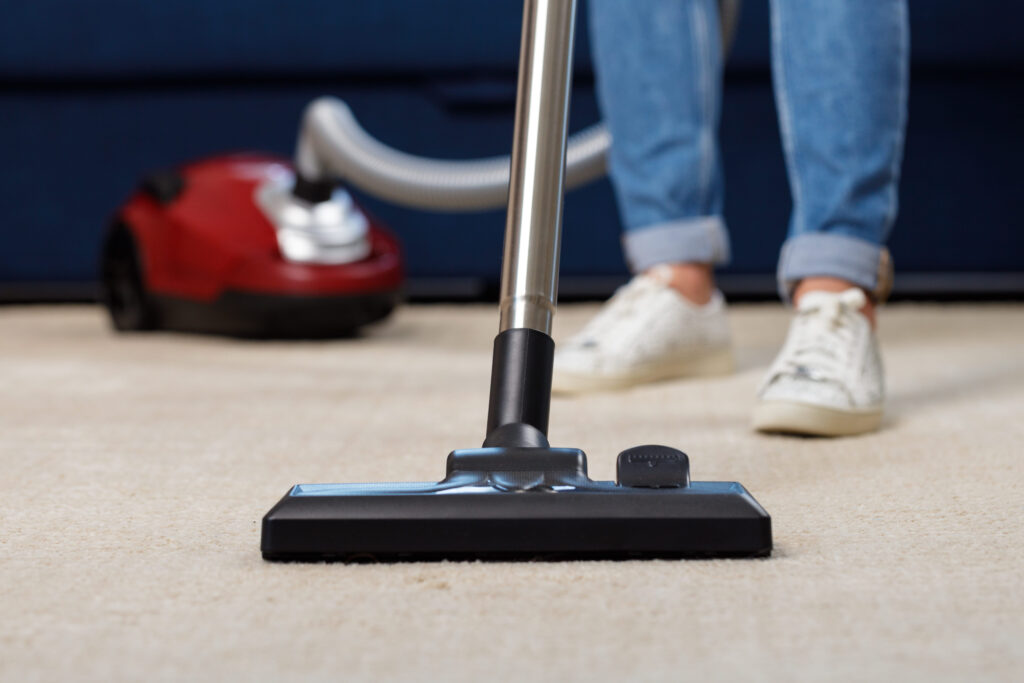
Vacuuming and dusting burn about 89 calories per hour, which may seem low compared to heavier chores, but the value lies in consistency. These are tasks many households repeat often.
Over the course of a week, they add movement that would otherwise be lost to sitting. Pushing a vacuum, bending to reach low corners, stretching across furniture, and walking from room to room all contribute.
The calorie burn rises when we clean with intention rather than drift through the task. We can keep a brisk pace, alternate hands, and engage the legs instead of locking the knees.
Dusting high shelves and lower baseboards also brings a greater range of motion into the session. It is not extreme, but it is useful, and that matters. Sustainable movement often beats dramatic efforts that happen once and disappear.
Cooking and Food Prep
Light food preparation burns around 89 calories per hour. That is not enough to replace a workout, but it still counts as active time. Chopping, stirring, washing produce, lifting pots, unloading groceries, reaching for ingredients, and moving around the kitchen all keep the body in motion. The difference becomes noticeable when we cook from scratch rather than rely on ready-made meals.
The kitchen can also be one of the easiest places to add more movement without feeling forced. We can use waiting time to tidy up, put away dishes, carry items in batches, and stay on our feet rather than sitting between steps.
Cooking may not sound athletic, but neither does a long walk around the block until we count how much time and movement it actually includes. Activity accumulates through ordinary routines.
Washing Dishes
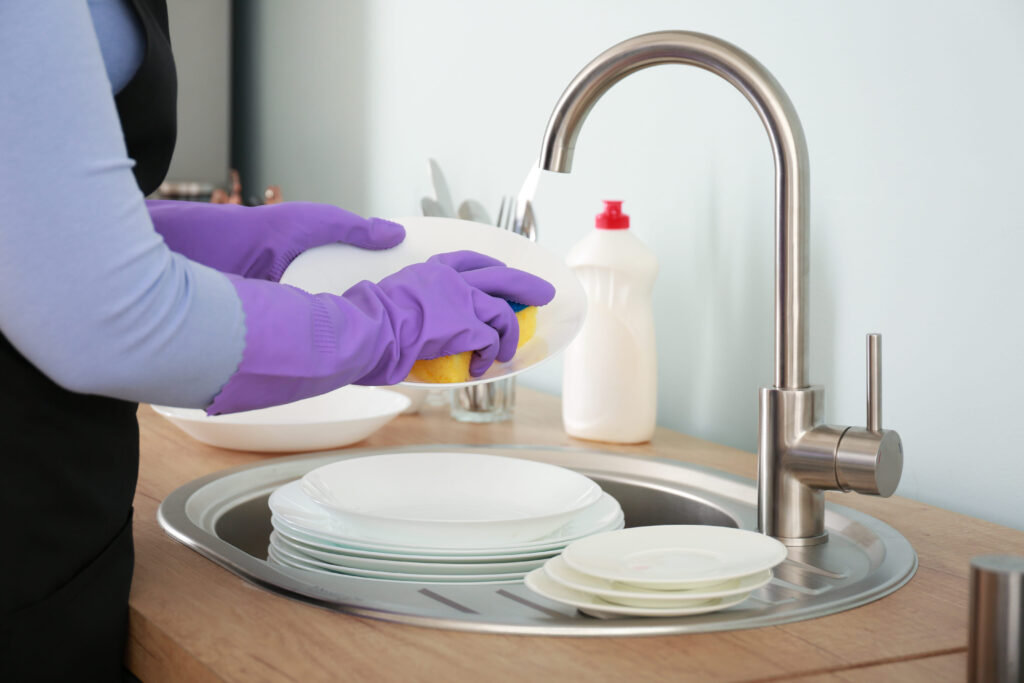
Washing dishes burns around 77 calories per hour, making it the lightest task here, but it still belongs on the list. Standing at the sink, scrubbing, rinsing, stacking, and wiping counters keeps us moving in a small but steady way. The calorie burn is modest, yet it beats another hour spent entirely seated.
Dishwashing matters less as a fitness strategy and more as a reminder that movement need not be dramatic to have value. A day filled with low-level activity can feel very different from a day filled with chairs.
When we start noticing those differences, we stop dismissing everyday effort. Even small chores contribute to a more active lifestyle when they are part of the whole picture.