Mental health rarely falls apart all at once. More often, it frays at the edges. We feel it in the short temper that appears out of nowhere, the racing mind that will not settle at night, the heavy fatigue that makes ordinary tasks feel larger than they are. In those moments, strong coping mechanisms do more than offer comfort; they give us structure, direction, and a way to steady ourselves before stress starts running the entire day.
The most effective coping mechanisms for mental health are not always dramatic. They are usually practical, repeatable, and grounded in daily life. When we use them consistently, they can help us lower emotional intensity, create a greater sense of control, and make it easier to move through anxiety, low mood, overwhelm, and mental exhaustion. The goal is not to erase every difficult feeling. The goal is to build habits that help us respond with more clarity, more resilience, and less chaos.
Mindfulness Meditation
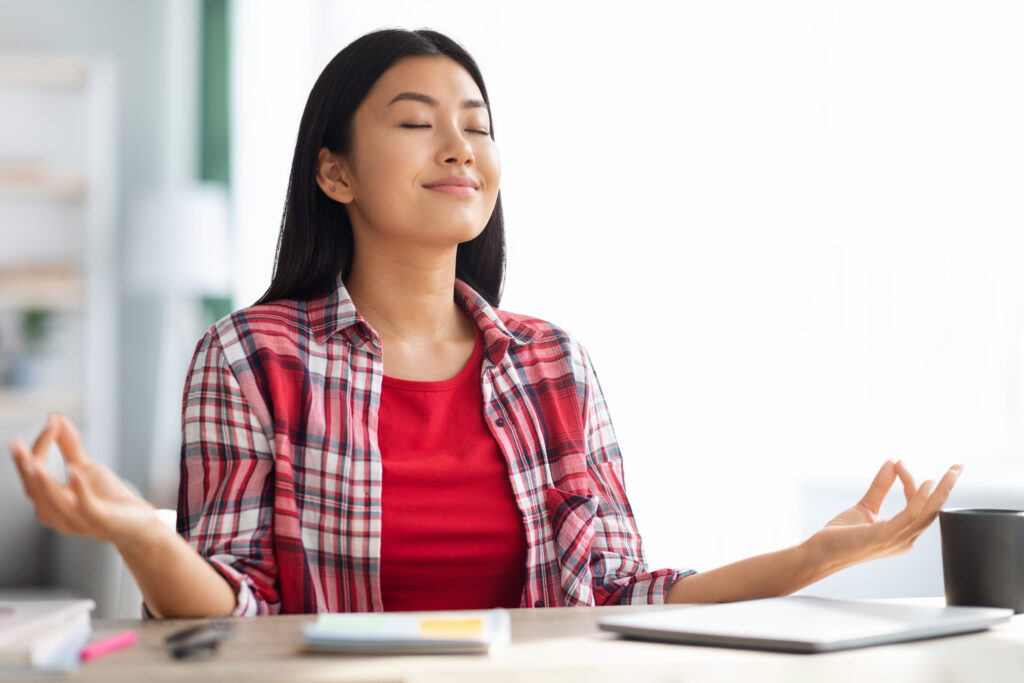
Mindfulness meditation remains one of the best coping mechanisms for mental health because it trains us to notice what is happening without immediately being pulled under by it.
Instead of reacting to every anxious thought as if it were a fact, we learn to observe it, name it, and let it pass. That shift may sound simple, but it changes the entire emotional temperature of a stressful moment. The mind becomes less crowded, the body becomes less tense, and we regain a little room to choose our response.
We do not need a silent mountain retreat or an hour of spare time to make mindfulness useful. A few minutes of focused breathing, body awareness, or guided meditation can begin to calm the nervous system and reduce mental noise. The value is in repetition.
When we return to the present moment again and again, we build a habit of mental steadiness. Over time, mindfulness helps us become less controlled by spiraling thoughts and more anchored in what is actually happening right now.
Regular Exercise

Exercise is one of the most reliable coping mechanisms for mental health because it works on several levels at once. It gives the body a direct outlet for stress, reduces physical tension, and often improves mood after even a short session.
When we move our bodies with intention, we interrupt the stagnant feeling that can settle in during anxious or depressive periods. We also create momentum, and momentum matters when motivation is low.
The most effective exercise routine is usually the one we will actually keep. We do not need a punishing schedule or a perfect fitness plan. A daily walk, stretching session, bike ride, dance routine, or beginner strength workout can all support mental well-being.
Consistency beats intensity here. When movement becomes part of our weekly rhythm, it starts serving as a dependable emotional reset rather than another goal we feel guilty about missing.
Deep Breathing Techniques
When stress spikes quickly, breathing techniques can help bring us back under control faster than many people expect. Box breathing is especially useful because it creates a clear pattern for the mind to follow: inhale, hold, exhale, hold. That structure slows the body down. It reduces panic, lowers the urge to react impulsively, and reminds us that we are not powerless in the middle of a difficult moment.
Breathing exercises work best when we practice them before we desperately need them. If we only try to use box breathing during a full emotional storm, it may feel awkward or ineffective.
But when we make it familiar, it becomes a reliable tool during conflict, overstimulation, work pressure, or sudden anxiety. It is simple, discreet, and available almost anywhere. That makes it one of the most practical coping skills we can develop for daily mental health support.
Progressive Muscle Relaxation
Stress does not live only in the mind. It settles into the shoulders, jaw, chest, back, stomach, and hands. That is why progressive muscle relaxation is such an effective coping mechanism for mental health.
It helps us notice where tension is hiding and release it deliberately. By tightening and relaxing muscle groups one by one, we guide the body out of its guarded state and into a calmer physical rhythm.
This method is especially helpful when we feel restless, wired, or emotionally overloaded but cannot explain exactly why. Physical relaxation signals to the brain that the immediate threat has passed. That can soften racing thoughts and reduce the sense of being trapped inside our own nervous system.
Used at the end of the day or after a stressful event, progressive muscle relaxation can become a bridge between emotional chaos and a more settled state.
Creative Expression
Not every feeling can be neatly talked out. Some emotions are too tangled, too layered, or too raw to fit into a clear explanation. Creative expression offers another route.
Writing, painting, drawing, singing, crafting, photography, music, and movement give us a way to process what we may not yet know how to say. That makes creative expression one of the most underrated coping mechanisms for mental health.
The strength of creativity is that it shifts us from suppression to release. We stop carrying everything silently and begin shaping it into something visible, audible, or tangible. It does not need to look polished or impressive.
In fact, the less we perform, and the more honestly we create, the more helpful the process becomes. Creativity gives emotion somewhere to go. On hard days, that alone can feel like a form of relief.
Positive Self Talk

Many mental health struggles are made heavier by the way we speak to ourselves. A difficult situation may trigger pain, but our internal voice often multiplies it. We tell ourselves we are failing, falling behind, too weak, too much, or never enough.
Positive self-talk is not about pretending everything is wonderful. It is about replacing mental cruelty with language that is more honest, more balanced, and less destructive.
When we practice healthy self-talk, we begin to challenge the harsh automatic narratives that fuel shame and hopelessness. Instead of saying, “We always ruin everything,” we can say, “We are having a hard moment, and we can still respond well.” That change matters.
A calmer inner voice makes it easier to regulate emotions, recover from mistakes, and take the next useful step. Over time, positive self-talk becomes less of an exercise and more of a way of moving through life with greater emotional steadiness.
Social Support
Isolation can distort everything. Problems feel larger, fear feels louder, and hope feels farther away when we carry everything alone. Social support remains one of the strongest coping mechanisms for mental health because it reminds us that distress does not have to be a solitary experience. A trusted friend, family member, support group, mentor, or therapist can offer perspective, comfort, accountability, and simple human presence when we are struggling.
Healthy support is not just about venting. It is about being known and staying connected, even when our instinct is to disappear. Sometimes the most powerful form of coping is allowing someone to sit with us in our reality without trying to fix it instantly.
That kind of connection reduces emotional isolation and can keep temporary pain from turning into complete withdrawal. Strong mental health care is rarely built in total solitude. It is often reinforced by relationships that feel safe, steady, and real.
Sleep Hygiene
Poor sleep can make almost every mental health challenge feel sharper. Irritability grows, concentration declines, anxious thoughts accelerate, and emotional regulation weakens. That is why sleep hygiene deserves a place among the best coping mechanisms for mental health. When we protect rest, we protect our ability to think clearly, respond calmly, and recover from stress with more strength.
Good sleep hygiene is built from small, repeatable choices. We benefit from keeping a more consistent sleep schedule, limiting late screen use, reducing overstimulation before bed, and creating a sleep environment that feels restful rather than chaotic.
We also benefit from treating sleep as essential rather than optional. Rest is not laziness. It is maintenance for the mind. A well-rested brain handles pressure better than an exhausted one, and that difference often shows up in every part of the day.
Gratitude Practices
Gratitude is often misunderstood as forced positivity, but real gratitude is more grounded than that. It does not require us to deny pain or act cheerful when life is difficult.
Instead, it asks us to notice that even inside a hard season, not everything is empty, broken, or lost. That perspective shift makes gratitude one of the most effective coping mechanisms for mental health when used honestly and consistently.
A gratitude practice can be simple. We may write down three things that felt steady, kind, peaceful, useful, or beautiful during the day. We may pause in the middle of stress and name one thing that is still supporting us. Over time, gratitude trains attention away from constant threat scanning and toward a fuller view of reality. It does not erase struggle, but it helps prevent struggle from becoming the only thing we can see.
Cognitive Behavioral Therapy skills

Some coping mechanisms are immediate and soothing. Others help us create bigger change. Cognitive-behavioral therapy skills are powerful because they target the thought patterns and behavioral loops that keep distress alive.
When we examine the stories we tell ourselves, the assumptions we treat as facts, and the habits that strengthen fear or hopelessness, we create the possibility of real progress rather than just temporary relief.
Even outside a formal therapy session, CBT-based tools can help us question distorted thinking, identify triggers, and replace automatic patterns with more useful responses. We can learn to challenge catastrophic thoughts, test negative assumptions, and respond to setbacks with more accuracy and less panic.
When possible, working with a licensed mental health professional further strengthens this process. For many people, that combination of practical skills and professional support becomes a turning point in how they manage their mental health.