Salads are often touted as the go-to healthy meal, but many salad toppings can quickly turn a nutritious dish into a calorie bomb. When it comes to achieving a balanced diet, it’s important to be mindful of what you add to your greens.
While salad ingredients may seem harmless, some are loaded with hidden fats, sugars, and sodium that can sabotage your health goals. Here’s a guide to help you make smarter choices and keep your salad healthy and satisfying.
Corn
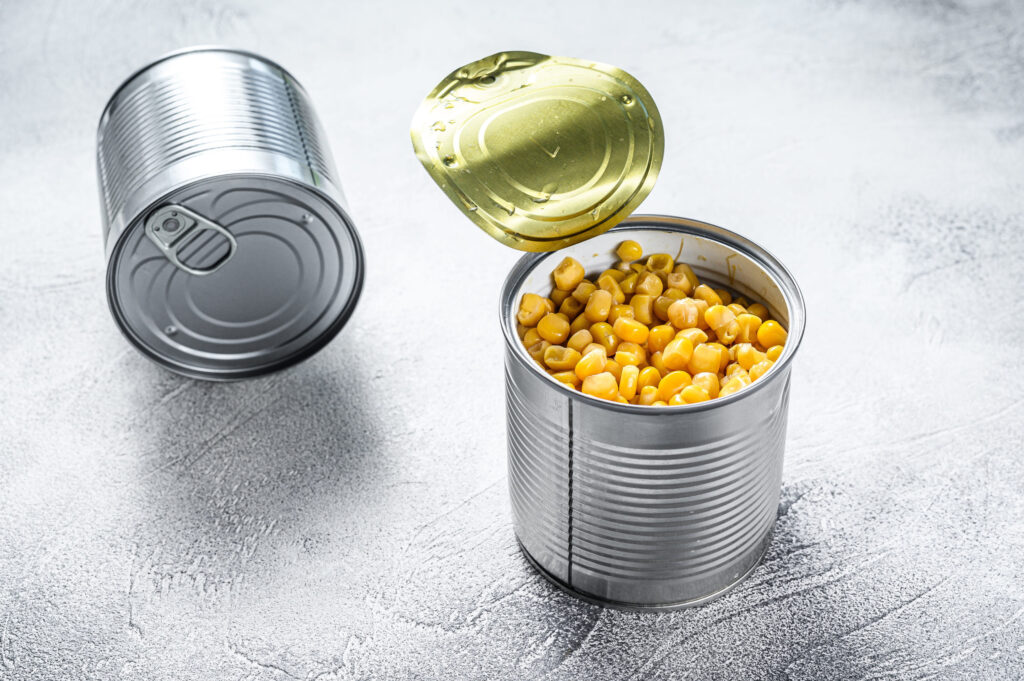
While corn may seem like a harmless salad addition, it’s actually a starchy carbohydrate that can increase your salad’s glycemic index. If you’re watching your carb intake or trying to manage your blood sugar levels, it’s best to limit corn in your salads. Instead, opt for high-protein alternatives like black beans or chickpeas, which provide more fiber and nutrients while offering a similar texture and flavor profile.
White Pasta
Pasta is often used in salads, but white pasta is made from refined flour, which lacks fiber and can contribute to blood sugar spikes. White pasta also displaces the fresh vegetables and greens that should be the star of your salad. If you’re craving grains in your salad, choose whole grains like quinoa, wild rice, or farro. These options provide more fiber, protein, and nutrients, making your salad a more balanced and satisfying meal.
Fried Chicken

While grilled or roasted chicken can be a healthy protein source, fried chicken is coated in breading and fried in oil, making it high in calories, fats, and carbohydrates. Fried chicken also contains unhealthy trans fats, which can contribute to heart disease. Swap out fried chicken for leaner protein options like grilled chicken, turkey, or baked fish. For an extra boost of omega-3 fatty acids, try adding a piece of baked salmon to your salad.
Deep-Fried Crunchy Additions
Tortilla strips, wonton strips, and crispy noodles can add tempting crunch to your salad, but they’re often deep-fried and laden with unnecessary fat. Not only do they pack on extra calories, but they also boost your sodium intake. Instead of these fried options, try adding baked chips, roasted chickpeas, or fresh, crunchy veggies like jicama or celery. These alternatives give your salad a satisfying crunch without the drawbacks to your health.
Processed Meat
Bacon adds a savory flavor to any salad, but its high saturated fat content makes it a poor choice for a health-conscious meal. Additionally, processed meats like bacon have been linked to an increased risk of certain cancers, such as colorectal cancer. Instead of bacon, choose lean proteins like grilled chicken or plant-based options like chickpeas or tofu to add a satisfying savory element without the health risks.
Sugary Candied Nuts
Nuts are a fantastic addition to salads, providing healthy fats and a crunchy texture. However, many nuts sold as salad toppings are glazed with sugar, butter, and oil, making them calorie-dense and more harmful than helpful. Stick with plain, raw, or dry-roasted nuts like almonds, walnuts, or pistachios. These provide fiber, protein, and a healthy crunch without the added sugars and fats.
Dried Fruit
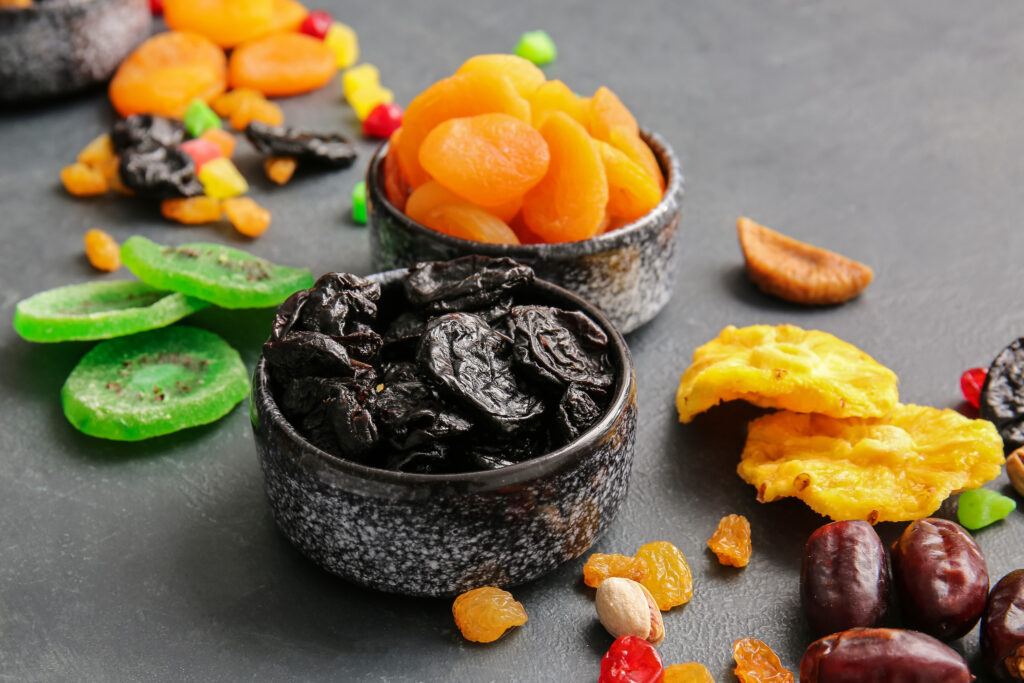
Dried fruits like cranberries, raisins, and apricots are often added to salads for a sweet touch. However, dried fruit is concentrated, meaning it contains a high amount of sugar and calories in a small serving. Fresh fruits, such as berries, grapes, or apple slices, provide a natural sweetness without the excess sugar. They’re also packed with fiber and antioxidants, making them a much healthier option for your salad.
Store-Bought Croutons
Croutons are a classic salad topping, but store-bought varieties are often made from refined white bread, which lacks fiber and can cause blood sugar spikes. They also come loaded with excess calories, fats, and sodium. If you’re craving croutons, opt for homemade ones made with whole-grain bread, a light drizzle of olive oil, and your favorite herbs. This way, you get the crunch without the unhealthy additives.
Conclusion
Salads can be a great way to load up on nutrients and keep your meals fresh and light, but the toppings you choose can make a big difference in their health value. By avoiding ingredients like deep-fried items, sugary dressings, and processed meats, you can ensure that your salad remains a healthy, nutrient-packed meal. Focus on fresh vegetables, lean proteins, whole grains, and healthy fats for a truly balanced and satisfying salad that supports your wellness goals. By making these simple changes, you’ll not only enjoy the deliciousness of your salad but also feel confident knowing you’re nourishing your body with wholesome, nutritious ingredients.