Laundry has a funny way of collecting bad advice. One generation swears by bleach for everything, another dumps in extra detergent as if it were a shortcut to perfection, and somewhere in the middle, a pair of jeans ends up in the freezer for no good reason.
The truth is far less dramatic and far more useful. Good laundry care is usually built on small, sensible habits that protect fabric, save energy, and help your washer do its job properly. Guidance from the U.S. Department of Energy, the American Cleaning Institute, and major washer manufacturers keeps pointing to the same idea: smart technique beats folk wisdom every time.
Hot water is always the best choice.
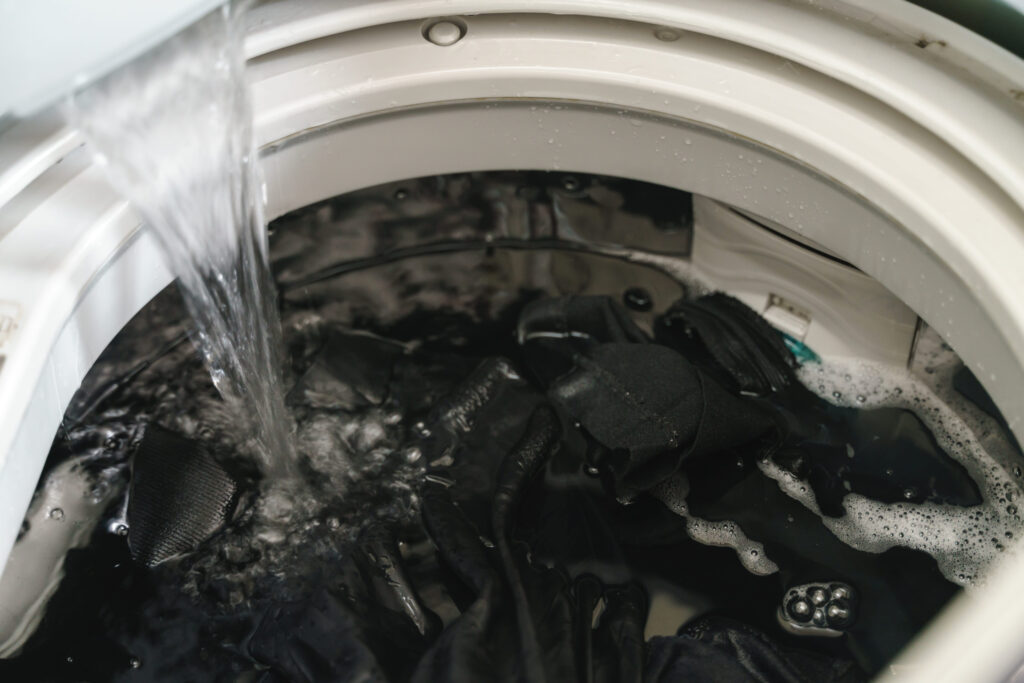
Hot water has its place, but it is not the universal hero people imagine. The Department of Energy recommends washing in cold water with cold water detergents whenever possible, and the EPA notes that water heating accounts for most of the energy used by a clothes washer.
That means cold water is often the smarter everyday setting for routine loads, especially when you want to cut energy use without sacrificing normal cleaning performance. Hot water should be a deliberate choice, not a reflex.
Turning clothes inside out does nothing.

This is one of those tiny habits that quietly saves clothes over time. Tide’s laundry guidance says turning garments inside out helps protect them during the wash, which matters for dark fabrics, printed shirts, and pieces that fade or pill easily.
It is not busywork. It is a simple shield against friction, and friction is one of the main reasons favorite clothes start looking tired before their time.
More detergent means cleaner clothes.
This myth sounds logical, but it ends up being a trap. Modern machines are designed to work with measured amounts of detergent, and using too much can create excess suds, leave residue behind, and even interfere with proper rinsing and spinning.
Whirlpool says overusing detergent can lead to wet loads, longer cycles, and performance problems, which means the “extra clean” effect people expect often turns into the exact opposite. Cleaner laundry usually comes from proper dosing, not heavy pouring.
Salt is a magic fix for color bleeding.
Salt has a big reputation in home laundry lore, but it is not the miracle bodyguard people make it out to be. Practical laundry guidance keeps coming back to better habits: sort clothes by color and fabric, wash suspect items separately, and follow the care label.
If a fabric has serious dye issues, specialty fixatives are made for that purpose, which tells you something important: color care works best when it is specific, not improvised from the spice shelf.
Coffee can keep black clothes dark.
This myth wins points for drama, not results. The better strategy for protecting dark clothes is much less theatrical: cold water, inside-out washing, and gentler treatment. Levi Strauss recommends using cooler water to help protect jeans from fading and shrinking, and Tide also recommends turning clothes inside out to protect them in the wash.
Dark laundry stays richer when you reduce stress on the dye, not when you turn your washer into a breakfast experiment.
Bleach is the only way to keep whites bright.

Bleach can help in the right situation, but it is far from the only answer. The American Cleaning Institute notes that color-safe oxygen bleach and bleach alternatives can help with whitening, stain removal, and odor control, and bleach must be used according to label directions to avoid fabric damage or misuse.
In other words, bright whites do not depend on one harsh bottle. They depend on choosing the right product for the fabric and using it correctly.
Your washing machine cleans itself.
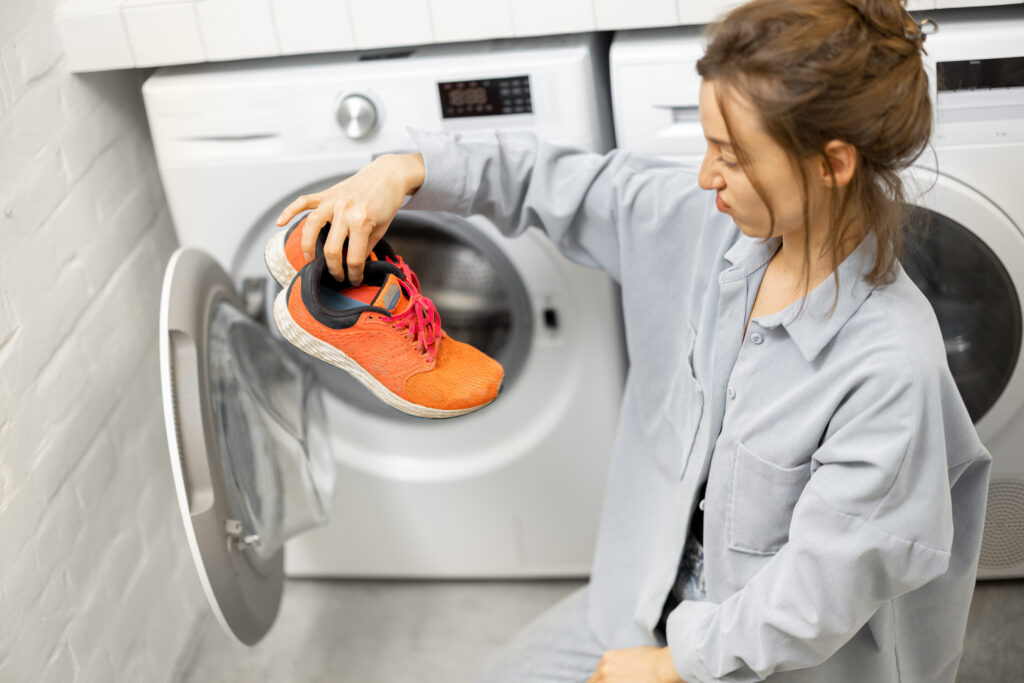
A washer comes into contact with soap and water all day, but that does not make it self-cleaning. Maytag and Whirlpool both recommend routine washer cleaning, and Maytag says a monthly clean can help prevent odor and residue buildup.
Front-load machines, rubber seals, and detergent drawers can all collect the kind of grime that slowly transfers trouble back onto your “clean” clothes. A neglected washer can become the quiet villain of the laundry room.
Overloading saves time and works just fine.
Overloading feels efficient until the clothes come out half-washed, badly rinsed, and twisted into a damp knot of regret.
LG says that when a washer is too full, items cannot tumble properly, and cleaning performance suffers. So yes, you may save one cycle on paper, but you often lose that time when you need to rewash or dry longer. A washer is not a suitcase, and cramming it like one rarely ends well.
Freezing jeans is the same as washing them.
This myth refuses to die because it sounds clever and rebellious. Smithsonian reported that even after Levi Strauss popularized the idea years ago, experts said freezing does not truly clean denim, and Levi’s own more recent denim advice flatly treats the freezer hack as a myth.
Cold air may temporarily mask odors, but it does not remove the dirt, skin oils, and grime that actual washing is meant to handle. Your jeans are better off with thoughtful, occasional cleaning than a dramatic trip next to the ice cubes.
Public washing machines can give you STDs
This is the kind of fear that spreads faster than facts. CDC says sexually transmitted infections are spread through sexual contact, and NHS guidance on genital herpes says it is not transmitted through towels, pools, saunas, or toilet seats because there is no skin-to-skin contact. Shared machines can still carry ordinary grime, so basic hygiene matters, but the scary STD rumor does not hold up.
Public laundry rooms may be annoying, but they are not secretly plotting such an infection story.