It’s easy to overlook certain bodily signals as minor inconveniences. However, seemingly simple symptoms like persistent itching, unusual swelling, or blurred vision can sometimes point to serious health issues. Ignoring these signs may lead to more severe consequences down the line. Below, we delve into 15 symptoms that should never be ignored, equipping you to act quickly and seek professional help when necessary.
Itchy Skin

Itchy skin that doesn’t go away can be more than just dry skin. Persistent itching could indicate an underlying condition such as eczema, psoriasis, or even liver disease or cancer. If your skin itches despite moisturizing, or if you notice other symptoms such as skin yellowing, it’s crucial to get a professional evaluation.
Persistent Hiccups
Hiccups are usually harmless, but when they last for hours or even days, they could be a sign of something more serious. Chronic hiccups are often associated with neurological conditions, such as stroke or brain tumors, as well as gastrointestinal issues. If your hiccups persist, seek medical advice to rule out any underlying problems.
Unexplained Chills
Feeling cold despite being in a warm environment could indicate an underactive thyroid (hypothyroidism). The thyroid regulates your body’s temperature, and when it isn’t functioning properly, it can cause persistent coldness, along with fatigue, weight gain, and depression. If you’re constantly shivering or feeling chilled, it’s important to check your thyroid levels.
Difficulty Breathing or Tight Chest

Difficulty breathing can be a symptom of many conditions, from asthma to anxiety. However, if this sensation is new, persistent, or accompanied by chest pain, it could signal more severe issues like heart attacks or blood clots in the lungs. If you experience chest tightness and shortness of breath together, seek immediate medical attention, as it could be life-threatening.
Frequent and Unexplained Urination
While staying hydrated is vital, frequent urination without a clear cause can be a symptom of Type 2 diabetes. The high levels of sugar in the bloodstream cause the kidneys to work harder, leading to an increased need to urinate. For men, this symptom could also point to prostate issues. If you find yourself constantly visiting the bathroom, it’s time to get checked for diabetes or prostate problems.
Changes in Bowel Movements
Sudden and unexplained changes in bowel habits, whether diarrhea, constipation, or the presence of blood, should never be ignored. These can indicate gastrointestinal conditions, such as irritable bowel syndrome, colorectal cancer, or even infections. If you notice any significant changes, especially if accompanied by weight loss or abdominal pain, see a doctor for a thorough evaluation.
Sore or Swollen Tongue
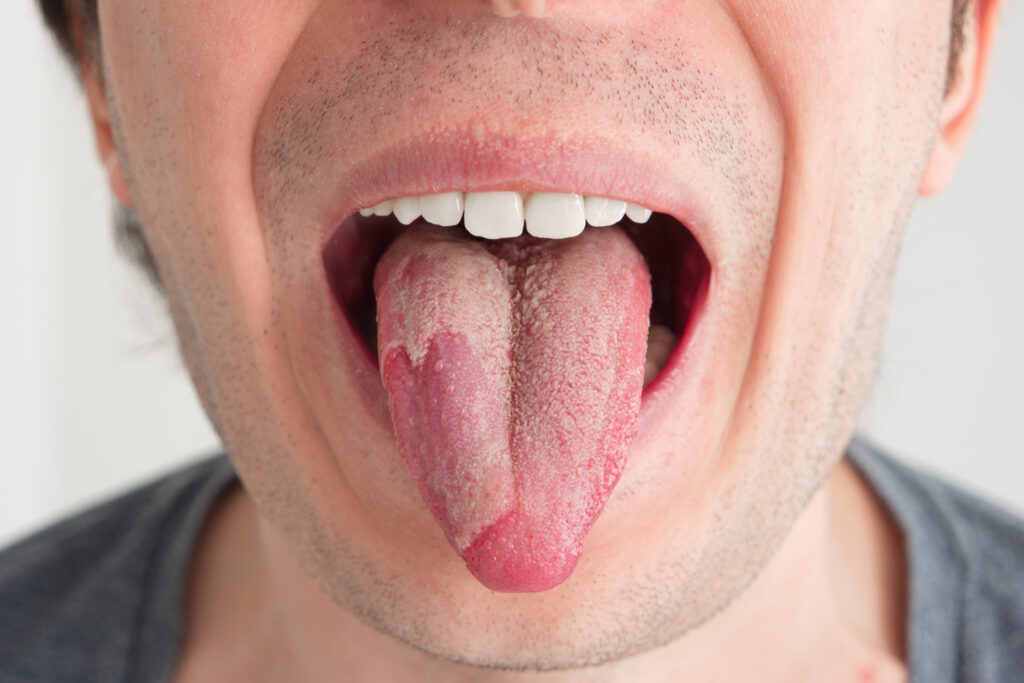
A sore tongue could be a sign of a vitamin B12 deficiency, which can lead to anemia. This symptom often presents alongside other issues, such as fatigue and brittle nails. If you experience a persistent sore tongue or unusual swelling, it’s a good idea to check your vitamin B12 levels with a simple blood test.
Unwanted Facial Hair or Thinning Hair in Women
Unexplained hair growth or thinning in women can be a sign of Polycystic Ovary Syndrome (PCOS), a common condition that affects the hormonal balance. In addition to facial hair, PCOS can also cause acne, irregular periods, and fertility issues. If you’re experiencing these symptoms, it’s essential to speak with your healthcare provider about potential hormonal imbalances.
Unexplained Jaw Pain
Pain in the jaw can sometimes be dismissed as a sign of stress or tension, but if it occurs suddenly and is accompanied by shortness of breath or chest pain, it could indicate a heart issue. This is especially concerning if you experience pain that radiates to the arms, neck, or back. Jaw pain can signal a heart attack, particularly in women, where heart attack symptoms may not always follow the classic pattern. It’s crucial to seek immediate medical attention to rule out serious conditions.
Persistent Swollen Ankles
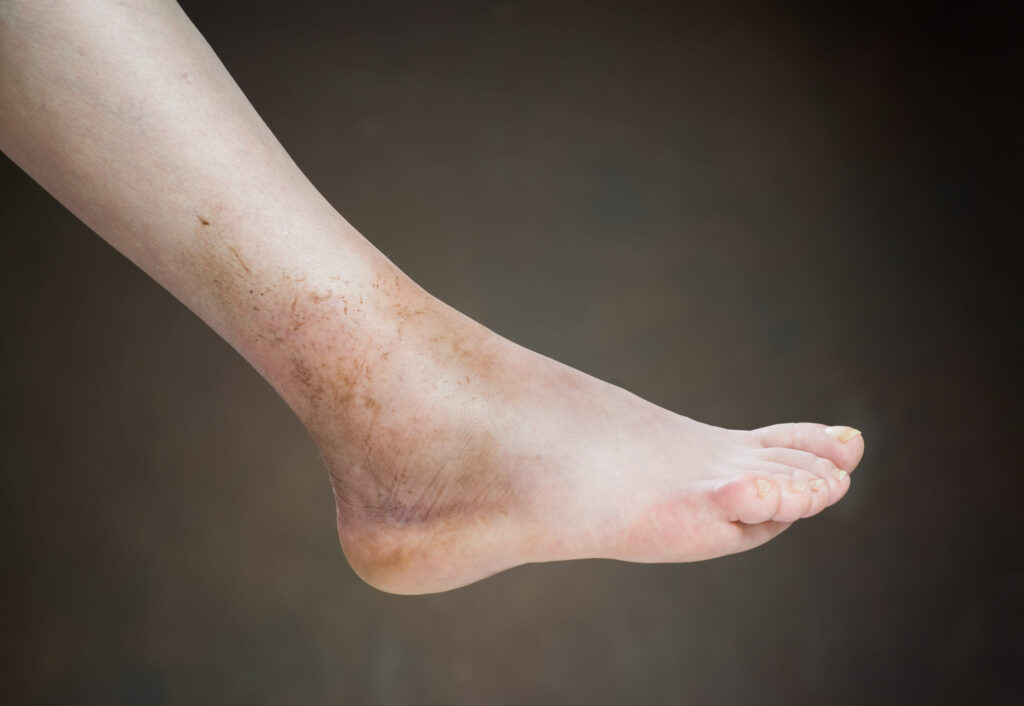
While swollen ankles can be caused by standing or walking for extended periods, frequent or unexplained swelling may point to issues with your kidneys. When kidney function decreases, the body tends to retain excess fluid, leading to swelling in the lower extremities. If swelling doesn’t subside after rest or is accompanied by fatigue or decreased urination, consulting with a doctor is essential to determine the root cause.
Unquenchable Thirst
Excessive thirst can be a classic sign of diabetes. Both Type 1 and Type 2 diabetes result in elevated blood sugar levels, which cause the body to produce more urine to eliminate the excess sugar. This leads to dehydration, prompting the intense urge to drink. If you’re feeling thirsty all the time and also experience frequent urination, consult a doctor to check for diabetes.
Thinning Eyebrows
If you notice thinning eyebrows, particularly at the outer edges, it could be a sign of thyroid dysfunction. The thyroid plays a critical role in regulating your metabolism, and when it’s not functioning properly, it can affect hair growth, including eyebrow growth. Discuss this symptom with your doctor, as thyroid problems can be diagnosed through blood tests and treated effectively.
Tingling in Hands and Feet

A tingling sensation in your extremities, especially if it’s recurring, could indicate nerve damage caused by conditions like diabetes or multiple sclerosis. Diabetes, in particular, is known to cause peripheral neuropathy, which leads to sensations of tingling or numbness in the hands and feet. Early intervention can help manage nerve damage and prevent it from worsening.
Loss of Taste
A sudden loss of taste could be one of the early symptoms of Alzheimer’s disease or other neurological conditions. Since taste is regulated by the brain, any disruption in brain function can lead to altered sensory experiences. If you experience taste loss without an obvious reason, like a cold, it’s worth seeing a doctor to investigate the cause.
Blurred Vision
While occasional blurred vision can be caused by eye strain or dry eyes, sudden and persistent vision issues can indicate more serious conditions like diabetes, stroke, or multiple sclerosis. If your vision is blurry or you experience other visual disturbances, don’t wait; seek immediate medical attention to rule out any life-threatening conditions.