Brushing your teeth might feel like a basic, automatic task, something so ingrained in your routine that you might not even think twice about it. But what if you’ve been doing it wrong all along? Even the most dedicated tooth-brushers can unknowingly make mistakes that not only hinder their oral health but can also lead to long-term damage.
In fact, common habits like brushing too hard or not brushing long enough can be the reason your smile isn’t as bright or healthy as it could be. Let’s take a deeper look at the mistakes you might be making when brushing your teeth.
Rinsing Your Mouth with Water After Brushing

Most people rinse their mouths with water after brushing to wash away the leftover toothpaste. While this feels like a good idea, it can actually undo some of the benefits of brushing. Water dilutes the fluoride in toothpaste, reducing its effectiveness. Fluoride helps to strengthen tooth enamel and prevent cavities, and rinsing with water can reduce this protective effect.
Instead of rinsing with water, consider using a fluoride mouthwash after brushing, or simply spit out the toothpaste and let the fluoride do its work. This small change can help to maintain the protection your teeth need throughout the day.
Using a Toothbrush That’s Too Hard
When choosing a toothbrush, many people opt for a firmer bristle because they assume it will provide a better clean. However, using a toothbrush with hard bristles can be detrimental to your oral health. The stiff bristles can be abrasive, causing enamel to wear away over time and irritating your gums. Over time, this can lead to sensitivity, gum recession, and even tooth decay.
It’s best to choose a soft-bristled toothbrush, as it’s gentler on your enamel and gums. Soft bristles can still effectively remove plaque and food particles without harming your oral health. And don’t forget to replace your toothbrush or brush head every three months to maintain optimal cleaning effectiveness.
Brushing Too Hard

It’s easy to think that the harder you brush, the cleaner your teeth will be. After all, it feels like you’re getting rid of all that “grime” with vigorous scrubbing, right? Unfortunately, brushing too hard isn’t just ineffective; it can actively damage your teeth and gums. Overzealous brushing can wear down enamel, the tooth’s protective layer, and cause gums to recede, leading to sensitivity and even gum disease.
The ideal approach is to use gentle pressure and focus on technique rather than power. A soft-bristled toothbrush combined with a careful, controlled motion will clean your teeth more effectively and protect your gums. Think of brushing as more of a delicate task that requires attention to detail than a rough scrub.
Not Brushing for Long Enough
In our fast-paced lives, brushing teeth often becomes just another item on the to-do list. However, rushing through it or brushing for too little time won’t give your mouth the proper cleaning it needs. The American Dental Association recommends brushing for 2 minutes to ensure plaque, bacteria, and food particles are removed from all tooth surfaces.
Time yourself next time you brush; set a timer or use an electric toothbrush with a built-in timer to stay on track. Two minutes may seem like a long time when you’re used to brushing quickly, but it’s the minimal amount of time needed to properly clean your teeth and prevent plaque buildup.
Incorrect Brushing Technique

Brushing your teeth is not just about the amount of time you spend or the force behind it; it’s also about how you move the brush. Using a side-to-side scrubbing motion may feel effective, but it can actually damage your gums and enamel. The best technique is to use small, gentle circles, which help remove plaque more effectively without wearing down your enamel.
Circular motion helps lift plaque from the teeth without pushing it into the gum line, which could lead to gum irritation and receding gums. Incorporate this technique into your daily routine, and your teeth and gums will thank you.
Brushing in the Same Pattern Every Time
Routine can be helpful, but when it comes to brushing your teeth, doing the same thing every time could lead to missed spots. Most people tend to follow a set pattern when brushing, starting and finishing at the same place each time. This predictability can leave certain areas of your mouth neglected.
To make sure every tooth gets the attention it deserves, mix things up a bit. Start brushing in different sections of your mouth each time, and pay extra attention to areas that tend to get missed, such as the back molars or the spaces between your teeth. This variation ensures that all areas are thoroughly cleaned.
Not Replacing Your Toothbrush Often Enough
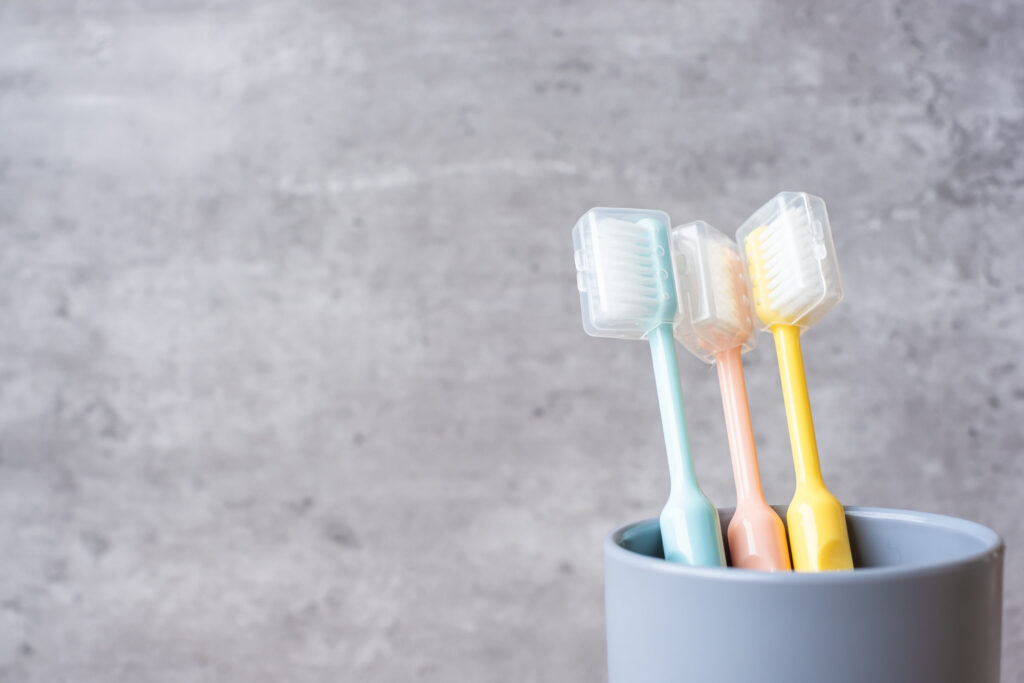
Your toothbrush is a tool that you rely on to keep your teeth clean, but it can only do its job effectively for so long. Dentists recommend replacing your toothbrush or brush head every three months. After that, the bristles begin to lose their effectiveness and can even harbor bacteria. If you’ve recently been sick, it’s even more crucial to replace your toothbrush to avoid reintroducing harmful germs into your mouth.
Consider setting a reminder on your phone to change your toothbrush regularly. Doing so will not only ensure a better clean but will also help you maintain healthier teeth and gums.
Neglecting to Brush Your Tongue
Your tongue is an often-overlooked area in your oral care routine, but it can be a breeding ground for bacteria. Bacteria, food particles, and dead cells can accumulate on the surface of your tongue, contributing to bad breath and even tooth decay. If you neglect to brush your tongue, you’re missing out on a critical part of your oral health regimen.
After brushing your teeth, gently brush your tongue with your toothbrush, or use a tongue scraper. This simple addition to your routine can significantly improve your breath and overall oral hygiene.
Storing Your Toothbrush in the Wrong Place

How you store your toothbrush may not seem like a big deal, but it can directly affect your oral health. Storing your toothbrush out in the open, especially near the toilet, increases its exposure to bacteria and other contaminants. Studies show that toothbrushes kept near toilets can even pick up trace amounts of fecal matter.
To keep your toothbrush clean and germ-free, store it in a dry, enclosed space, such as a medicine cabinet or drawer. This ensures that your toothbrush stays clean and ready for effective use when you need it.
Brushing Too Often
While twice-daily brushing is recommended, over-brushing can have negative effects. Brushing your teeth too frequently, especially with hard bristles or aggressive force, can strip your enamel and cause tooth sensitivity. Dentists advise brushing no more than twice a day, as brushing too often can wear down enamel and irritate the gums.
Stick to a twice-a-day brushing schedule, once in the morning and once before bed, along with flossing and tongue brushing to keep your mouth clean without overdoing it.