We all go about our daily routines assuming certain items in our lives are clean. But did you know some of the most frequently touched things could be teeming with harmful bacteria and germs?
While we often think of restrooms and public spaces when it comes to germs, the real culprits are the items we carry, use, and forget to clean. Germs can easily multiply on surfaces we come into contact with, and the effects can be much more dangerous than we imagine.
With just a few simple practices, we can stop germs in their tracks and protect ourselves from potential health risks. Here’s a deep dive into 10 surprisingly germy everyday items and how to properly disinfect them.
Reusable Shopping Bags

We love reusable shopping bags for their environmental benefits, but they may be harboring more bacteria than we realize. When we use the same bag repeatedly without cleaning it, it becomes a breeding ground for germs.
According to a study by the University of Arizona, more than half of the reusable grocery bags tested were contaminated with bacteria such as E. coli and Salmonella. These germs spread easily when bags carry raw meat, fresh produce, or perishables that often leak or sweat.
To reduce the risk, clean your bags after every use. It’s not enough to just shake them out or wipe them down. You should either toss them in the washing machine or wash them by hand with hot water and soap. Be sure to dry them thoroughly to avoid mold growth. This quick habit can reduce your exposure to harmful bacteria and keep your groceries safer.
Water Bottle
Reusable water bottles are incredibly convenient, but they can also harbor bacteria. Studies show that the inside of a water bottle can contain an alarming number of bacteria, up to 20.8 million colony-forming units (CFUs), a number that is 40,000 times higher than what you’d find on a toilet seat! Bacteria thrive in the moist, warm environment inside the bottle, especially after you’ve taken a drink.
To protect yourself, it’s crucial to clean your water bottle after every use. This may sound like a hassle, but it only takes a few minutes. Use hot, soapy water and scrub every nook and cranny, especially the lid and straw, as they are often neglected. If your bottle has been left uncleaned for a while, try a vinegar-and-water solution to kill any lingering germs.
Credit and Debit Cards
Think about it, your credit card gets passed from hand to hand in stores, restaurants, and ATMs. It touches not just your hands but also those of clerks and other customers, making it a prime breeding ground for bacteria, including fecal matter. In fact, studies have shown that 8% of credit cards carry bacteria, and one in twelve has traces of fecal bacteria.
To avoid transferring germs from your cards to your face, develop the habit of regularly wiping them down with disinfectant wipes. Keeping hand sanitizer handy is also a smart move to prevent the spread of germs after touching shared surfaces. These tiny actions can help protect you from illness and prevent germs from coming into contact with your skin, especially before eating.
Yoga Mats
A yoga mat is supposed to be your sanctuary for fitness and relaxation, but if it’s not cleaned properly, it can be a breeding ground for harmful bacteria, fungi, and viruses.
Yoga mats absorb sweat and skin cells, creating the perfect environment for germs to thrive. Moreover, germs from the gym floor can transfer onto your mat, especially if it is shared with others.
The solution? Clean your yoga mat regularly, ideally after every use. For personal mats, a quick rinse with warm, soapy water will do the trick. For shared mats at the gym, always wipe them down with disinfecting wipes before and after your practice. It’s also a good idea to store your mat in a dry place and let it fully dry before rolling it back up.
Public Touchscreens

Public touchscreens, whether at the airport, a self-checkout kiosk, or an ATM, are prime hotspots for bacteria. These surfaces are touched by hundreds of different hands every day, spreading germs such as Staphylococcus and Enterococcus faecalis. In some cases, these devices even harbor fecal matter, which can lead to severe infections.
To avoid exposure, use a tissue or napkin to touch the screen whenever possible. Always sanitize your hands immediately after using public touchscreens, especially before eating or touching your face. The CDC also recommends using hand sanitizer with at least 60% alcohol to disinfect your hands after touching high-touch surfaces.
Contact Lenses and Cases
Wearing contact lenses gives you clear vision, but improper hygiene can lead to eye infections. The American Academy of Ophthalmology warns that dirty lenses or cases can lead to microbial keratitis, a painful eye infection that can result in blindness if not treated.
The key is to clean your lenses thoroughly after every use with the disinfecting solutions recommended by your eye care professional. Avoid reusing contact lens cases without proper cleaning, and always replace them every three months. Keeping your lenses properly stored and maintained will reduce the risk of infections and ensure healthy vision.
Makeup Brushes and Sponges
While makeup brushes and sponges are essential to your beauty routine, they can become breeding grounds for bacteria when left unwashed. A study from Aston University found that 96% of makeup sponges were contaminated with bacteria, including fungi, and many had never been cleaned. These bacteria can cause acne, skin irritation, and even more severe infections.
To keep your skin clear and your tools safe, clean your makeup brushes and sponges regularly. Use a gentle soap or brush cleaner, and allow them to dry completely before using them again. Avoid using tools that are stained, smelly, or falling apart, and replace them periodically to maintain a healthy skincare routine.
Tattoo Ink and Permanent Makeup
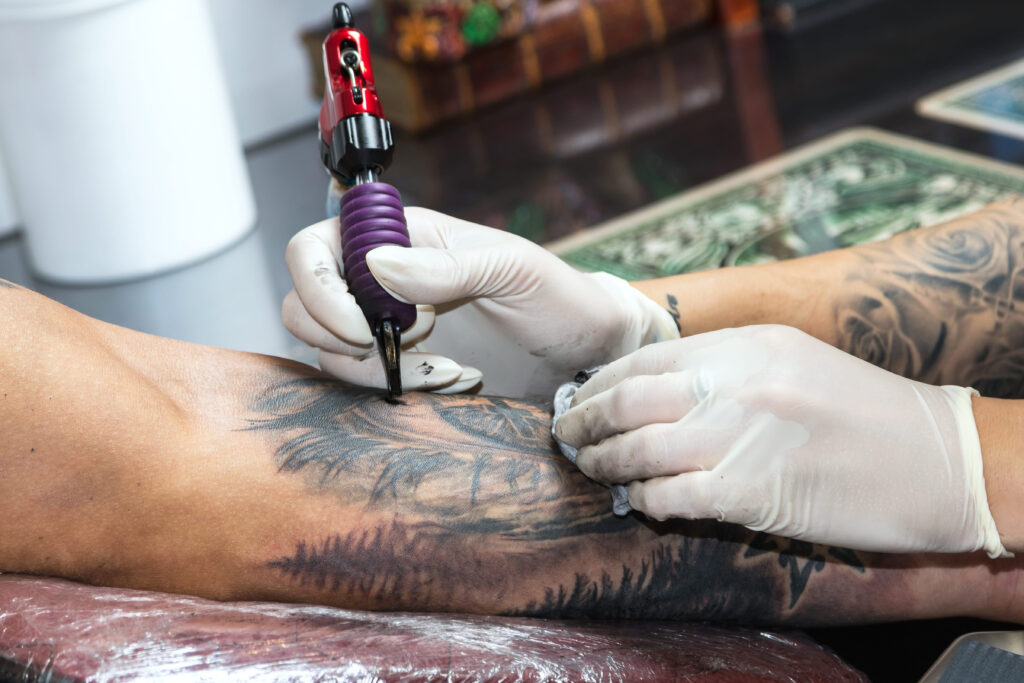
Getting a tattoo or permanent makeup is a bold and lasting decision, but contaminated ink can pose significant health risks. The FDA has warned that some tattoo and permanent makeup inks are contaminated with harmful bacteria, which can cause serious infections such as sepsis and cellulitis. These risks are even higher if the tattoo artist doesn’t follow proper hygiene standards, such as using sterile equipment and wearing gloves.
If you’re considering a tattoo or permanent makeup, make sure your artist is following all hygiene protocols. Ask questions about the ink and equipment they use, and ensure they work in a clean and sterile environment. Aftercare is also crucial; follow your artist’s instructions to avoid infections and complications.
Cutting Boards
Cutting boards are essential for meal prep, but they can easily become contaminated with bacteria. Raw meat, poultry, and seafood can transfer harmful pathogens to other foods on the same cutting board, leading to cross-contamination.
Studies by the USDA show that both plastic and wooden cutting boards can trap bacteria in their grooves, so regular cleaning and sanitizing are essential.
Use separate cutting boards for raw meat and ready-to-eat foods like vegetables and bread. Clean your board with hot, soapy water after every use, and sanitize it with a bleach-and-water solution. Dry the board completely before using it again to prevent bacteria from multiplying.
Phones and Watchbands
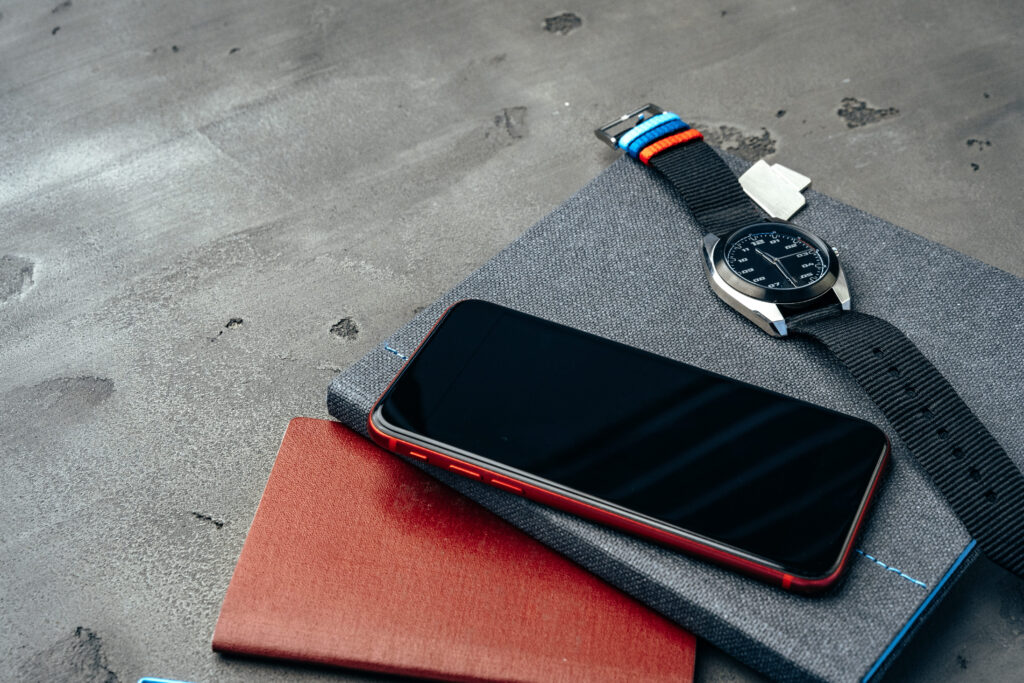
Our phones are with us everywhere we go, from restaurants and bathrooms to work and even the gym. As a result, they collect germs from every surface they touch. CDC guidelines recommend regularly disinfecting high-touch electronics, such as phones, because they can harbor harmful bacteria, including respiratory and gastrointestinal pathogens.
The best practice is to wipe your phone down with a disinfecting wipe or a microfiber cloth dampened with a gentle solution. Don’t forget to clean your phone case and watch bands too, as they can collect dirt, sweat, and germs throughout the day.