When most people think of algae, they picture murky ponds or slippery seaweed, but these aquatic plants offer surprising health benefits. From strengthening your gut to boosting your energy levels, edible algae varieties such as seaweed, spirulina, chlorella, and sea moss provide essential nutrients often missing from the modern diet. Let’s take a deeper look at seven powerful reasons why algae deserve a spot on your plate.
Seaweed Delivers Vital Minerals for Your Body

Seaweed varieties such as nori, kombu, and wakame are rich in essential minerals, including iodine, calcium, magnesium, and iron. These minerals help support key bodily functions, including metabolic regulation, bone health, and blood circulation. While many of these minerals are underrepresented in the average diet, seaweed can be an easily accessible way to incorporate them into your meals.
Seaweed Supports Thyroid Function with Iodine
Iodine is crucial for thyroid health, and seaweed is one of the best natural sources of this essential nutrient. Your thyroid relies on iodine to produce hormones that regulate metabolism, energy, and overall body temperature. However, it’s important to consume iodine in moderation, as excessive amounts can have the opposite effect, impairing thyroid function.
Spirulina Offers a Powerhouse of Protein and B Vitamins
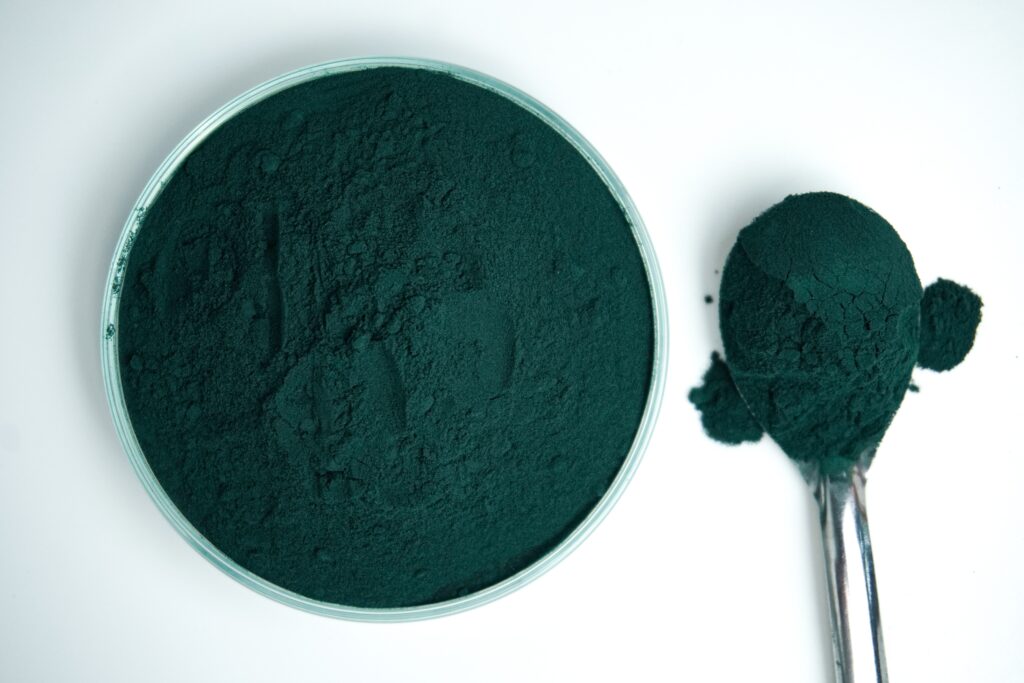
Spirulina, a blue‑green algae, is revered for its dense nutritional profile. It contains high levels of protein (comprising all nine essential amino acids) and B vitamins, including B12, a nutrient that’s challenging to find in plant‑based diets. Spirulina’s ability to provide this combination makes it an ideal supplement for vegetarians and vegans looking to boost their nutrient intake.
Chlorella Acts as a Detoxifying Superfood
Chlorella, a type of freshwater algae, is known for its detoxifying abilities. It binds to heavy metals and toxins in the body, helping to eliminate them safely. Along with its rich content of vitamins, minerals, and antioxidants, chlorella supports immune function and skin health, making it a multi‑purpose health booster.
Sea Moss Provides Digestive Support and More

Sea moss, a red seaweed, is a rich source of essential minerals like calcium, potassium, and magnesium, which help support healthy digestion. Its natural mucilaginous texture can soothe the digestive tract, making it beneficial for those dealing with digestive discomfort. Sea moss is also touted for its skin benefits, providing hydration and supporting a healthy complexion.
Algae Are Packed with Antioxidants to Combat Aging

Edible algae, including spirulina and chlorella, are loaded with antioxidants, which are vital for protecting your cells from oxidative stress. These antioxidants help combat the effects of aging and reduce the risk of chronic diseases. Algae’s high levels of chlorophyll, beta‑carotene, and other carotenoids contribute to their anti‑aging properties.
Algae Provide Plant‑Based Omega‑3 Fatty Acids
For those who follow plant‑based diets, algae are a valuable source of omega‑3 fatty acids, particularly DHA and EPA, which are typically found in fish. Omega‑3s are crucial for brain health, heart function, and reducing inflammation. Including algae in your diet is an excellent way to get these essential fats without relying on animal products.
Conclusion
Edible algae may have once been overlooked, but as the health food movement continues to grow, their benefits are becoming more recognized. Algal varieties such as seaweed, spirulina, chlorella, and sea moss are nutrient powerhouses that can support everything from thyroid function to digestive health. Whether you’re looking to boost your protein intake, support heart health, or fight the effects of aging, algae offer a simple and accessible solution. Start incorporating these powerful plants into your meals and unlock their full nutritional potential.