High humidity inside your home can make the air feel sticky, uncomfortable, and even unhealthy. When the air holds too much moisture, everyday activities like cooking, showering, or laundry can make your living spaces feel like a sauna. Excess humidity can lead to musty smells, mold growth, peeling paint, warped wood, and a general sense of discomfort. The good news is that small changes can make a big difference. Below are five common pitfalls and what to do instead to effectively reduce humidity in your home.
Ignoring Proper Ventilation When Moisture Is Produced

A major reason moisture builds up is that the warm, damp air from showers and cooking stays trapped indoors. Many people turn on a fan briefly or not at all, thinking it won’t help. The reality is that running an exhaust fan during and after activities like steaming pots on the stove or hot showers pulls moist air directly outside before it has time to settle on walls and ceilings. Leaving the fan on for at least 15 to 20 minutes can clear the air and prevent condensation that fuels humidity. Without that continuous airflow, your air will stay heavy and damp far longer than necessary.
Letting Outdoor Air Sneak Inside Through Gaps
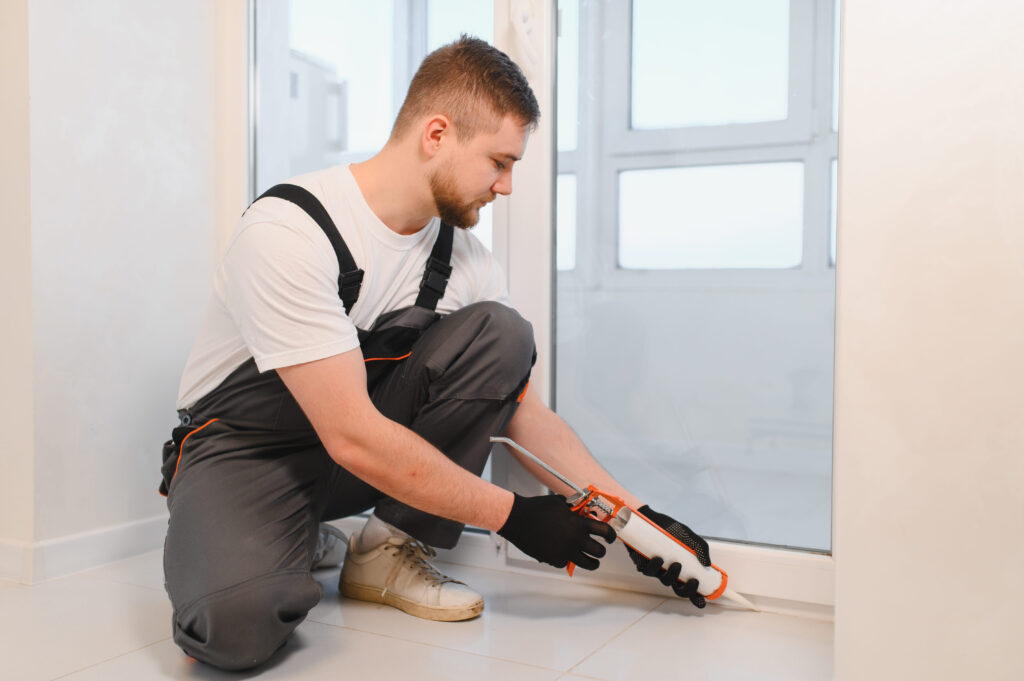
Another common mistake is overlooking the tiny cracks and gaps around windows, doors, and other openings. Many homeowners focus only on interior moisture sources and forget that humid outdoor air can easily infiltrate through drafty seals. Even a small unsealed gap lets warm, moisture‑rich air slip inside, raising indoor humidity levels without you even noticing. Sealing these spaces with quality weatherstripping or caulk helps keep outdoor humidity where it belongs, outside.
Relying Only on Your Air Conditioner to Remove Moisture
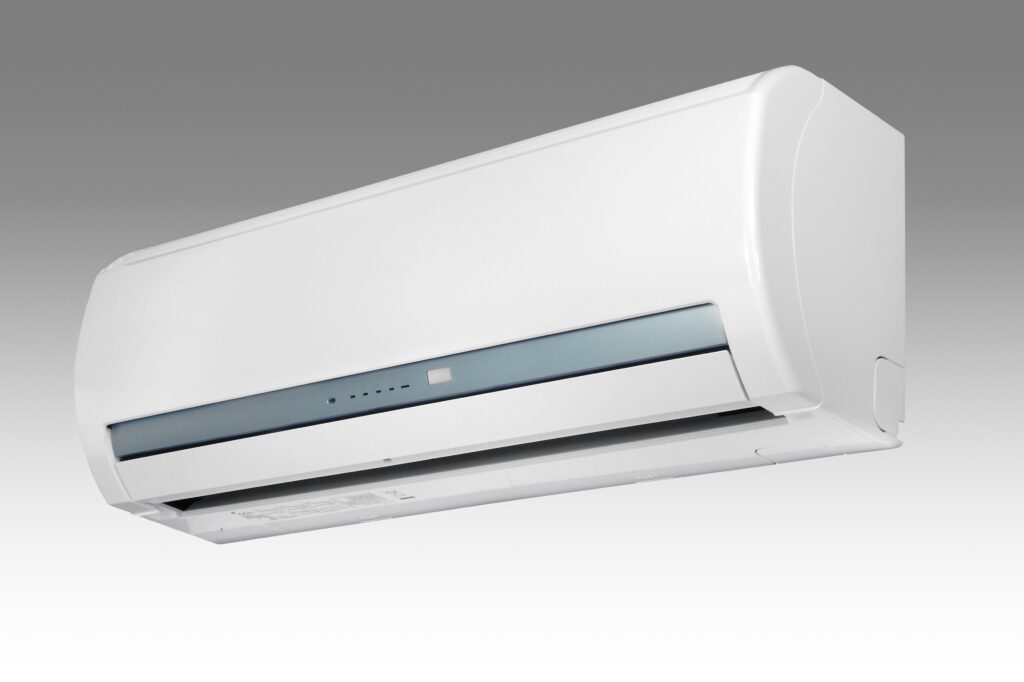
People often depend on their air conditioning to fix humidity problems, but that can be misleading. While air conditioners cool the air and reduce moisture as a side effect, they are primarily designed for temperature control. This means they might not remove enough humidity, especially on very humid days or in larger homes. Instead of expecting the AC alone to solve the problem, pairing it with tools designed to remove moisture, such as standalone dehumidifiers, will make your indoor air feel much drier and more comfortable.
Skipping Dehumidifiers in High‑Moisture Areas

It’s tempting to skip investing in a dehumidifier if it seems like an extra appliance you don’t need, but that often backfires. Dehumidifiers are purpose‑built to extract moisture from the air, working continuously to keep humidity at comfortable levels. They are especially useful in areas prone to moisture, such as basements, bathrooms, and laundry rooms. Without a dehumidifier in these hotspot zones, moisture can collect, leading to that sticky feeling and encouraging mold growth. Using them routinely in damp spaces removes excess moisture more effectively than fans or AC alone.
Neglecting Regular HVAC Maintenance
Finally, many homeowners forget that their heating and cooling system plays a role in humidity control. Dirty filters, clogged drains, and aging components reduce airflow and limit your HVAC system’s ability to manage moisture. Waiting for your system to fail before servicing it might keep the air cool, but it does little good for humidity levels. Regular maintenance, including cleaning and timely filter replacement, keeps the system running efficiently. This helps not just with temperature but also in pulling moisture from the air and improving overall indoor comfort.
Conclusion
Excess humidity doesn’t have to be a constant battle. By avoiding these key mistakes, such as poor ventilation, unsealed gaps, relying solely on AC, skipping dehumidifiers, and neglecting HVAC care, you can make your home feel cooler, fresher, and healthier. Small changes in everyday habits and home maintenance can transform packed, muggy air into a comfortable living space you look forward to coming home to. Want your indoor air to feel lighter and cleaner next time you walk through your door? These five adjustments are a great place to start.