Poor airflow doesn’t just result in discomfort. It can have lasting effects on both your health and the structural integrity of your home. Proper ventilation is essential for maintaining a fresh, breathable atmosphere, balanced humidity levels, and effective cooling or heating. When airflow is obstructed or inefficient, your home suffers. Below are 10 glaring signs that your home’s airflow needs urgent attention.
Constant Humidity and Condensation
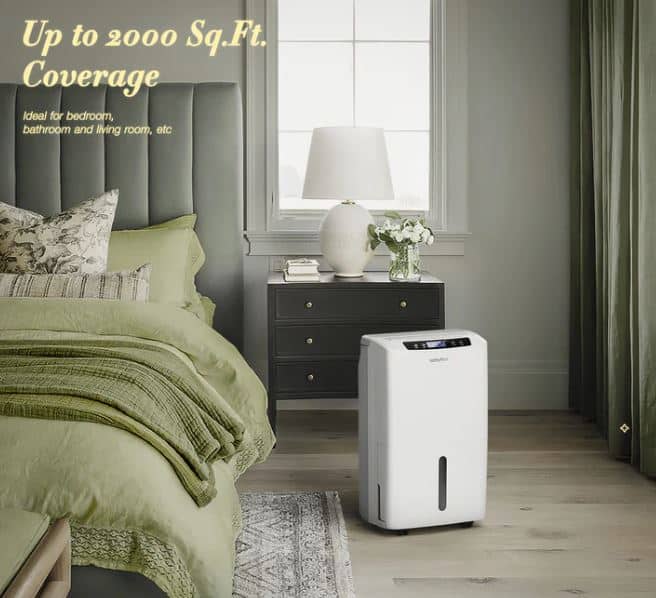
Excess humidity in the air is a major red flag for poor airflow. Condensation on windows, walls, and ceilings is the first visible sign that your home’s air cannot properly circulate. In a well-ventilated home, moisture generated by activities like cooking or bathing should be efficiently carried outside by exhaust fans or an HVAC system. But when airflow is insufficient, moisture becomes trapped inside, leading to ongoing dampness. This persistent moisture promotes the growth of mold, mildew, and unpleasant odors, which can lead to health issues such as respiratory problems and skin irritation.
Solution: Use dehumidifiers to remove excess moisture. Regularly check and clean exhaust fans in bathrooms and kitchens to ensure they are working properly. Consider installing a ventilation system that continuously removes stale air and introduces fresh air from outside.
Visible Mold or Mildew in Corners
Mold and mildew thrive in moist, stagnant environments. If you notice visible growth in your bathrooms, kitchens, or even behind furniture, your home’s airflow isn’t working properly. Mold growth is not only an eyesore but also a health hazard, as it can trigger allergic reactions and asthma symptoms.
Solution: Invest in exhaust fans for bathrooms and kitchens, and dehumidifiers for rooms with high moisture levels. If mold growth is widespread, consult a professional mold remediation service.
Lingering Odors That Never Fade
Stale air is often linked to poor airflow, especially when it comes to lingering odors. From pet smells to the residual scent of last night’s dinner, poor ventilation makes it impossible for these smells to disperse. When air doesn’t circulate properly, the particles that cause odors remain suspended in the air for much longer than they should.
Solution: Open windows regularly to allow fresh air to circulate, especially after cooking or cleaning. Consider installing an air purification system to help remove lingering smells and allergens from the air.
Hot and Cold Temperature Spots
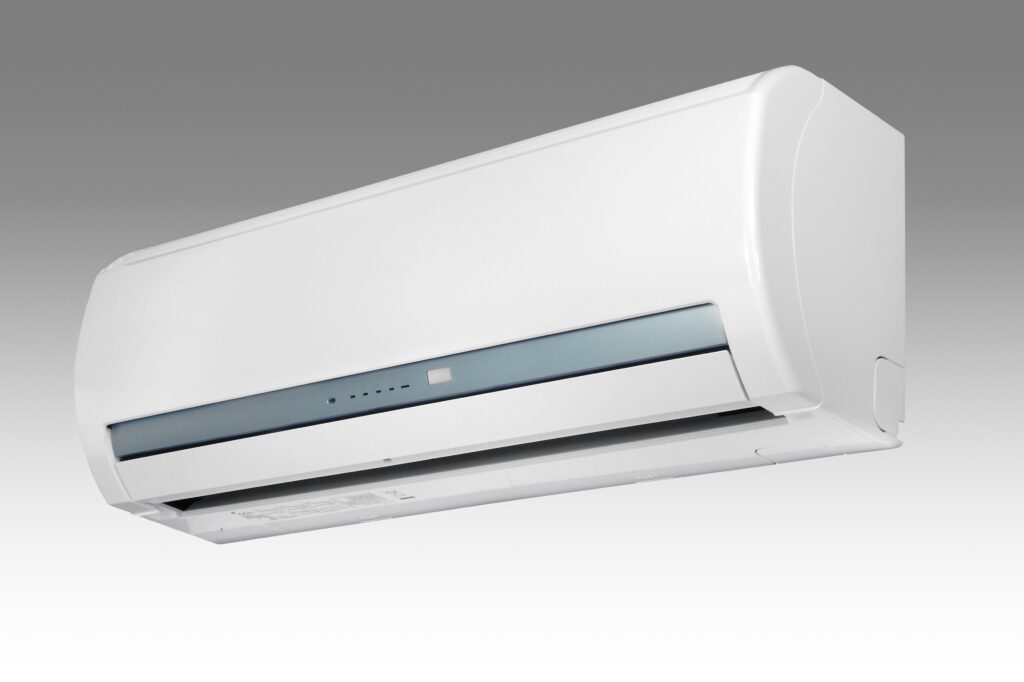
Inadequate airflow can lead to significant temperature variations throughout your home. You might experience one room that feels like an oven while another remains freezing cold. This happens because the air isn’t circulating efficiently, and the heated or cooled air from your HVAC system isn’t evenly distributed throughout the home. Your HVAC system is working overtime to maintain a constant temperature, but without proper airflow, it’s fighting an uphill battle.
Solution: Ensure that vents are open and unblocked by furniture or drapes. You may need to reposition furniture or have a professional inspect your ducts for blockages or leaks. Installing ceiling fans or adding floor vents can improve airflow.
Dust Accumulating Everywhere Too Fast
If you find yourself constantly wiping down surfaces and the dust keeps returning quickly, it’s a sure sign that your home’s airflow is inadequate. Without proper circulation, dust particles accumulate in stagnant air. Over time, they build up on surfaces such as shelves, counters, and floors.
Solution: Use air purifiers in high-dust areas and regularly clean the HVAC system’s air filters. It might also be worth upgrading to an HVAC system with superior filtration.
Window and Surface Condensation
Condensation that forms on windows and surfaces throughout your home is another major sign of poor ventilation. Excess moisture can cause paint to peel, walls to warp, and even create a perfect breeding ground for mold. When windows sweat constantly, it indicates that moisture is being trapped inside your home rather than being vented outside.
Solution: Regularly wipe down wet windows, and consider investing in double-glazed windows to improve temperature regulation. Additionally, installing a mechanical ventilation system can help reduce the excess moisture levels in the air.
Frequent Allergy or Respiratory Irritation Indoors
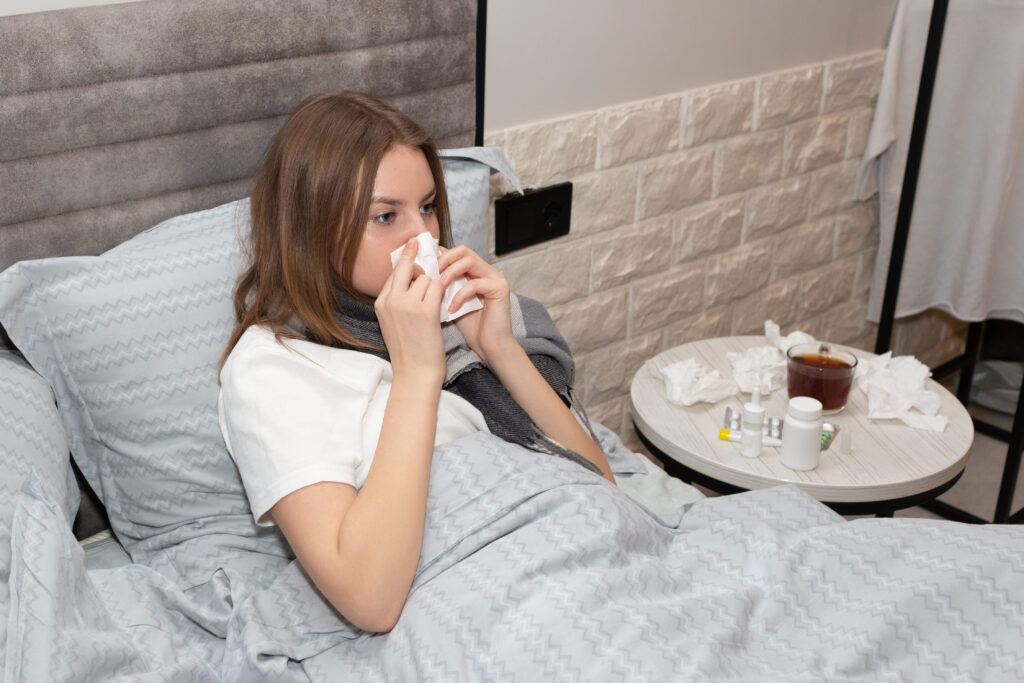
Stale, poorly circulated air is a prime culprit in respiratory issues. When airflow is disrupted, dust, pet dander, pollen, and other allergens get trapped in your home. The result? Increased allergy symptoms like sneezing, itchy eyes, or sinus irritation, and in more extreme cases, asthma attacks.
Solution: Invest in high-efficiency particulate air (HEPA) filters for your HVAC system to trap allergens. Regularly change air filters, and consider using air purifiers in rooms where allergies are most severe.
A Stuffy or Heavy Feeling in Rooms

Even when temperatures seem fine, bad airflow can make the air feel heavy, dense, or suffocating. This happens when your home doesn’t have proper ventilation to remove carbon dioxide, which can make the air feel thick and hard to breathe. This is particularly problematic in rooms with limited airflow, such as basements or rooms without windows.
Solution: Increase airflow by opening windows or installing vents that promote air exchange. In addition, consider installing an air exchange system that brings in fresh outdoor air while removing stale indoor air.
Appliances Running Hot or Breaking Down
When airflow is restricted, it can trap heat around appliances like your oven, refrigerator, or dryer, leading to overheating or malfunctions. Overheated appliances are not only inefficient, but they’re also more likely to break down over time. This can lead to higher repair costs and a shorter lifespan for your devices.
Solution: Ensure that appliances have adequate space around them for ventilation. Clean out lint traps and check the exhaust system to ensure that it is properly venting heat away from your appliances. If appliances are overheating, you may also need to evaluate your home’s overall airflow and adjust ventilation accordingly.
Higher Utility Bills Without a Clear Reason

If your utility bills are climbing but your habits haven’t changed, the culprit could be poor airflow. A clogged or inefficient ventilation system forces your heating or cooling system to work harder to maintain the right temperature, leading to increased energy consumption.
Solution: Have your HVAC system inspected and cleaned regularly. Replace old air filters, and ensure that your thermostat is working efficiently. Installing programmable thermostats or energy-efficient appliances can also help lower energy consumption.
Conclusion
Poor airflow is not a minor inconvenience; it’s a problem that can have serious implications for both your health and your wallet. From uncomfortable living conditions to increased energy bills, the symptoms of bad ventilation should not be ignored. Recognizing the signs listed above and taking immediate action to improve your home’s airflow can make a significant difference. Whether it’s upgrading your HVAC system, installing air purifiers, or simply ensuring your exhaust fans are functional, making changes today can create a more comfortable, healthier living environment for years to come.
By addressing airflow issues early, you can prevent potential damage to your home, avoid rising energy costs, and improve your overall well-being. Don’t wait until your comfort or health is compromised. Take action today!