Good health is rarely undone by one dramatic decision. More often, it slips through the cracks of small habits we repeat every day without thinking. We skip meals because we are busy, eat late because the day runs away from us, grab oversized portions because they look normal, and reach for comfort food because stress feels louder than hunger. Over time, these patterns shape our energy, weight, sleep, digestion, and mood far more than we want to admit.
To eat better, we must focus on behavior, not just ingredients. How we eat often matters as much as what we eat. Many unhealthy eating habits seem harmless but quietly encourage overeating, poor nutrition, low energy, and weight gain. When we recognize them, we can make choices that support healthier, more sustainable living.
Skipping Meals Regularly
Skipping meals may seem like an easy way to cut calories, but it often backfires, making healthy eating harder. When we go long stretches without food, hunger builds, and calm, balanced choices become difficult. Instead of eating with intention, we eat with urgency, which usually leads to oversized portions, mindless snacking, or cravings for foods high in sugar, salt, and fat.
Regular meal skipping can also disrupt our energy throughout the day. We become more likely to feel tired, distracted, irritable, and less able to manage appetite later on. A better approach is to create a rhythm that keeps hunger from becoming extreme. Even a simple breakfast, a balanced lunch, or a planned snack can help us avoid the cycle of deprivation followed by overeating.
Eating Dinner Too Late at Night

Late dinners are not automatically harmful, but consistently eating heavy meals very late can create a chain of problems. Nighttime eating often happens when we are exhausted, mentally drained, or trying to relax, which means we are less likely to choose balanced food and more likely to reach for comfort meals, fried foods, sweets, or extra portions. At that hour, we are often eating for reward, not nourishment.
Eating too late can also interfere with sleep quality, especially when the meal is large, greasy, or sugary. Poor sleep then feeds the next day’s cravings and weakens our ability to regulate hunger. This creates a loop that is difficult to break. We do better when we eat dinner at a reasonable time, keep late meals lighter, and avoid turning the final hours of the day into an open invitation for endless snacking.
Putting Too Many Food Restrictions on Ourselves
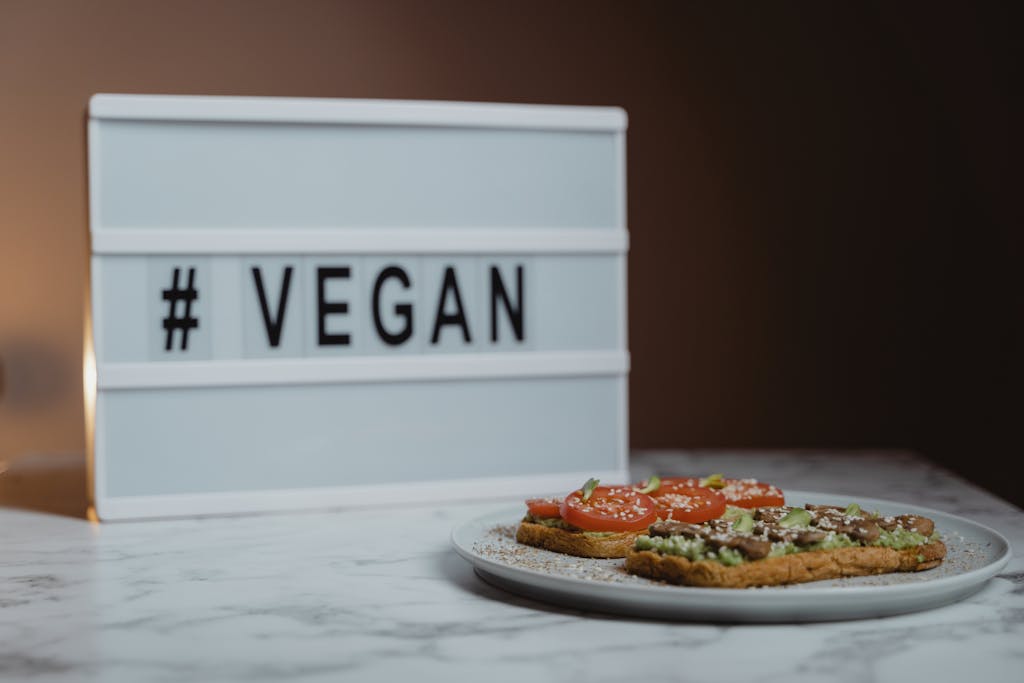
Strict food rules can sound disciplined, but they often create the exact chaos we are trying to avoid. When we label foods as forbidden, we give them more emotional power. The mind starts to fixate on what it cannot have, and cravings become stronger, not weaker. Eventually, one small slip feels like failure, and that feeling can trigger overeating.
A sustainable eating pattern leaves room for enjoyment. Healthy eating is not built on fear, guilt, or punishment. It is built on consistency, flexibility, and moderation. When we allow occasional treats without turning them into moral failures, food stops feeling like a battlefield. That balance makes it easier to stay on track over the long term, which is what actually matters.
Cutting Out Entire Food Groups Without a Clear Need
Eliminating whole food groups may look like a fast road to better health, but it often leads to imbalance. Carbohydrates, fats, and proteins all serve important functions in the body. When we remove one category entirely without medical guidance, we may also remove fiber, vitamins, minerals, or the simple pleasure that makes eating sustainable. A plan that feels extreme is often difficult to maintain.
This habit can also encourage an unhealthy all-or-nothing mindset. Instead of learning how to build balanced meals, we become obsessed with avoidance. The result is often frustration, nutritional gaps, or a rebound into binge eating when the restriction becomes too hard to carry. Most people do better with thoughtful portions, better quality choices, and a broader understanding of balance rather than total elimination.
Relying Too Much on Fast Food and Restaurant Meals
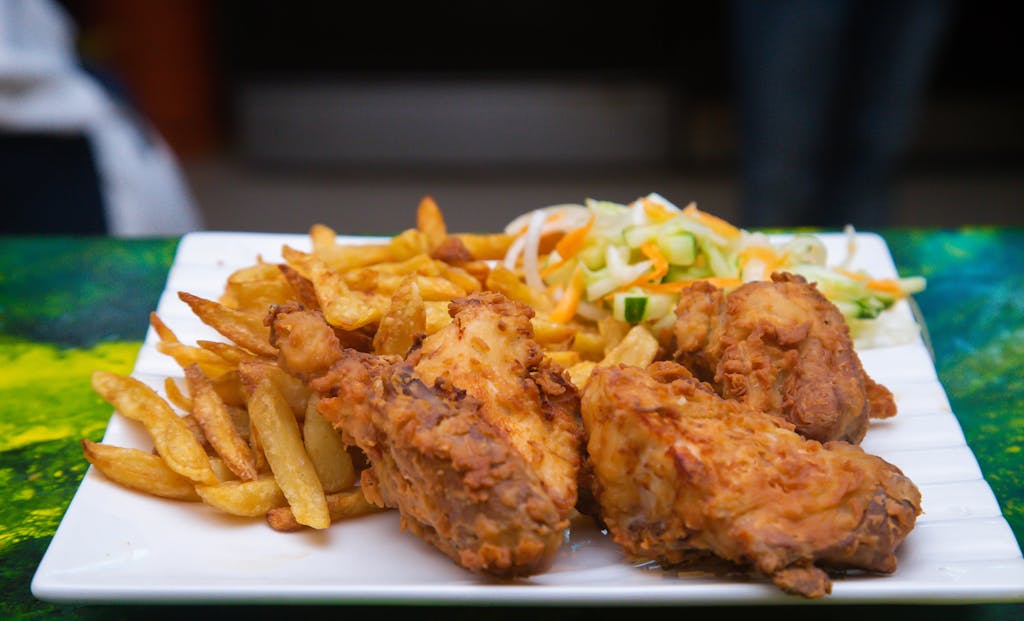
Restaurant meals and fast food can be convenient, but convenience often comes with hidden excess. Many prepared meals contain more calories, sodium, sugar, and saturated fat than we realize. Even dishes that sound healthy can be weighed down by sauces, oils, dressings, and oversized servings. When eating out becomes the default, we lose control over ingredients and portion size.
Cooking at home gives us something powerful that restaurants rarely offer: control. We control the oil, the seasoning, the portion, and the quality of what goes on the plate. That does not mean we must avoid restaurants completely. It means we should not let outside food dominate our routine. A home-cooked meal, even a simple one, often supports better eating habits more effectively than the polished convenience of takeout.
Always Eating on Large Plates
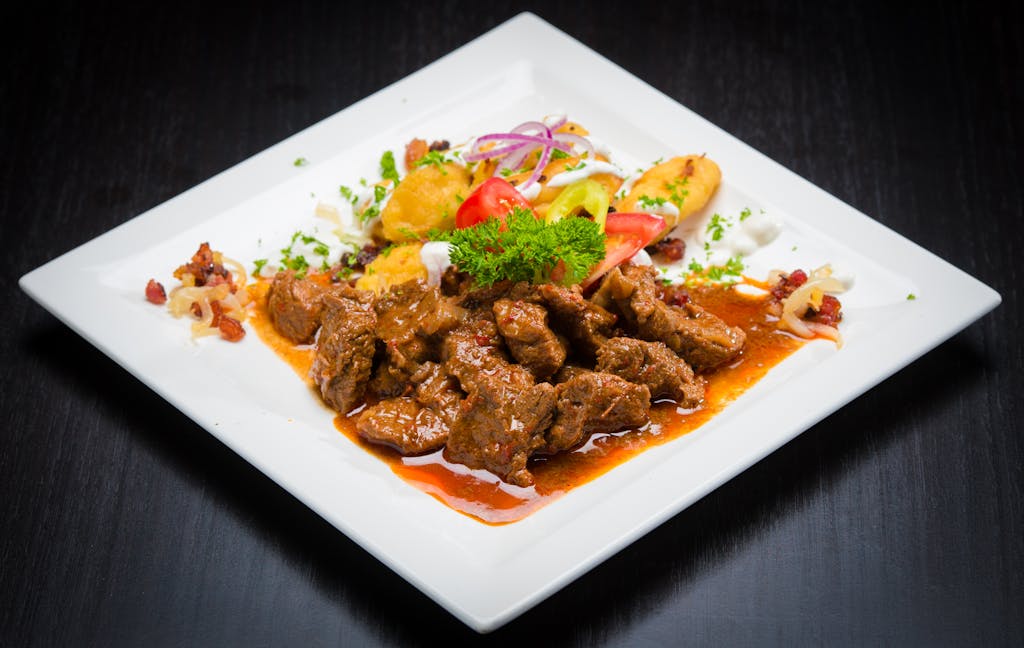
Plate size influences how much food looks normal. A large plate makes a standard portion appear small, which pushes us to serve more than we actually need. Without noticing it, we begin to treat oversized servings as reasonable. That visual trick may seem minor, but repeated every day, it can quietly increase calorie intake and make portion control harder.
Using smaller plates and bowls can help reset our sense of what enough looks like. This does not mean eating tiny meals or forcing ourselves to leave the table hungry. It means building portions with more awareness. When the plate matches the amount of food we truly need, we are better able to notice fullness, reduce wasteful overeating, and keep our meals satisfying without turning them excessive.
Feeling Required to Finish Everything on the Plate
Many of us were raised to believe that leaving food behind is wasteful or rude. That message may come from good intentions, but it can train us to ignore our body’s signals. If we keep eating simply because food remains on the plate, we stop responding to hunger and fullness and start responding to habit. Over time, that disconnect can normalize overeating.
We do not need to reach discomfort to prove a meal was worth it. Stopping when we are satisfied is not wasteful; it is wise. Leftovers can be saved. Smaller portions can be served first. Eating slowly also helps, because fullness takes time to register. When we let internal signals lead the meal instead of the empty plate, we build a healthier relationship with food and our own appetite.
Using Food as an Emotional Crutch
Stress, loneliness, frustration, boredom, and sadness can all push us toward food, especially foods that feel comforting, nostalgic, or rewarding. Emotional eating is common because food offers quick relief. For a few moments, it distracts, softens, or numbs what we are feeling. The problem is that the emotional trigger often remains after the eating ends, and then guilt or discomfort joins it.
We need better responses to emotional pressure. That might mean taking a walk, calling someone, drinking water, stepping away from a stressful situation, writing down what we feel, or simply pausing before reacting. Food is meant to nourish us, not carry the full weight of our emotional life. Once we learn to separate hunger from emotional discomfort, many unhealthy eating habits begin to lose their grip.
Drinking Too Many Calories

Liquid calories are easy to underestimate because they do not always feel as filling as solid food. Sugary coffee drinks, sodas, alcohol, sweetened teas, energy drinks, and packaged juices can add large amounts of sugar and calories without truly satisfying hunger. We drink them quickly, often alongside meals, and barely register their impact. That makes them one of the easiest ways to overconsume.
The issue is not just the calories themselves, but the lack of satiety. Drinks usually do not require chewing, and chewing helps us feel satisfied. When beverages become a major source of calories, they can crowd out better nutrition without making us feel full. Water, unsweetened tea, and simpler drink choices often support appetite control far better than sweet, high-calorie beverages.
Eating When We Are Not Actually Hungry
Not every urge to eat is real hunger. Sometimes we eat because food is nearby, because everyone else is eating, because we are bored, because the snack is free, or because we want something to do with our hands. This kind of eating feels casual, but repeated often, it can add up quickly. It also weakens our ability to recognize genuine hunger cues.
A helpful pause can change everything. Before eating, we can ask whether we are truly hungry or simply responding to boredom, thirst, stress, or habit. Drinking a glass of water and waiting a few minutes can help clarify the answer. When we slow down enough to check in with ourselves, we make better decisions. Eating becomes more intentional, and that alone can improve both nutrition and portion control.
How These Bad Eating Habits Feed Each Other
Unhealthy eating habits rarely show up alone. Skipping meals can lead to late-night overeating. Overrestriction can lead to emotional eating. Restaurant dependence can distort portions, and large plates can make those portions look normal. Drinking calories can dull awareness of intake, while finishing every bite can teach us to ignore fullness. These habits connect, reinforce one another, and slowly build a pattern that feels hard to escape.
The good news is that progress works the same way. One better choice can support the next. A regular breakfast can reduce binge eating later. Smaller portions can make fullness easier to notice. More home cooking can cut down hidden calories. Less emotional eating can improve self-trust. We do not need perfection to change our health. We need awareness, honesty, and steady correction.
A Smarter Way to Build Healthier Eating Habits
The strongest eating habits are not dramatic. They are repeatable. We eat at regular times, include balanced meals, drink more water, notice hunger before reaching for food, and give ourselves enough flexibility to enjoy eating without losing control. That approach may sound simple, but it is powerful because it can last.
When we stop chasing extremes and start correcting everyday mistakes, results become more realistic and more durable. Better energy, steadier appetite, improved digestion, stronger self-control, and more stable weight often begin with these quiet shifts. The goal is not to eat perfectly. The goal is to stop the habits that keep working against us and replace them with routines that genuinely support our health.
Conclusion
The most damaging eating habits are often the ones we excuse because they feel normal. Skipping meals, eating too late, relying on fast food, drinking calories, and using food to cope with stress can slowly shape our health in ways that are easy to overlook and hard to reverse. These habits do not just affect weight. They affect mood, focus, sleep, digestion, and the way we relate to food every single day.