Eating enough protein every day is essential for fueling your body, supporting muscle growth, and maintaining steady energy levels. While chicken and eggs might come to mind as the go-to protein options, there’s a whole range of foods you’re likely missing out on. Adding these protein-rich foods to your meals can not only support your fitness goals but also diversify your diet, making meals more exciting and balanced. Let’s dive into the protein-packed foods you should consider incorporating into your next grocery list.
Lean Meats
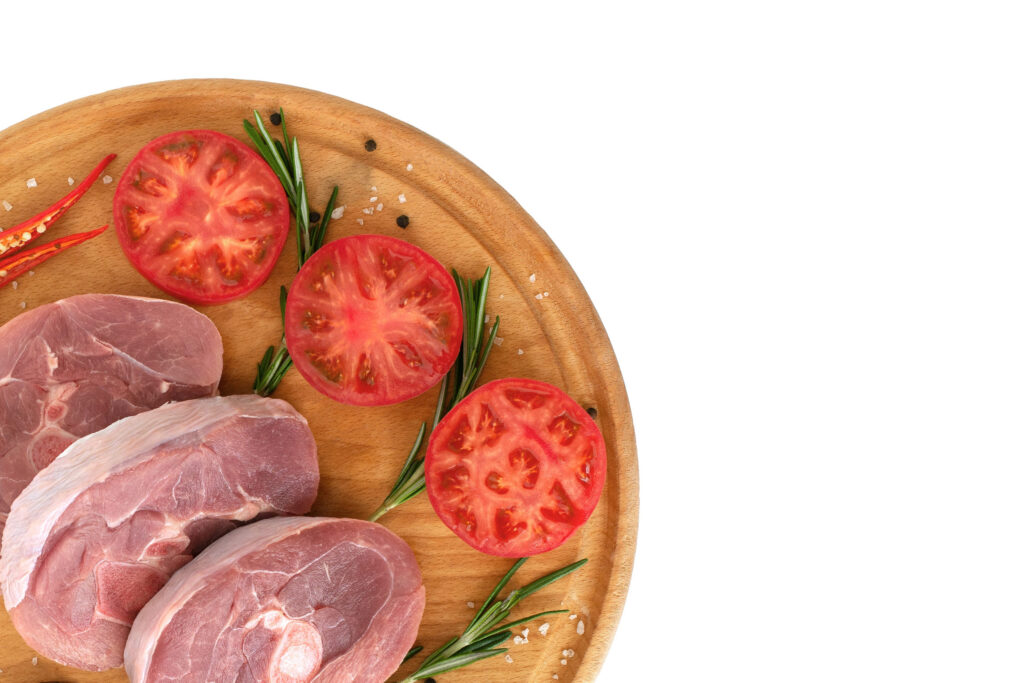
Lean meats like turkey breast, pork tenderloin, and sirloin steak are protein- and nutrient-rich options for any meal. These meats provide your body with high-quality protein that’s low in fat, making them perfect for anyone watching their calorie intake or looking to reduce saturated fats. Lean cuts of meat, especially when grilled or baked, also retain more nutrients and provide long-lasting energy without weighing you down.
By choosing lean cuts, you’re not only fueling your muscles but also giving your body a clean source of protein. It’s easy to add them to stews, salads, wraps, or even as a protein-packed topping for your rice or quinoa bowl.
Greek Yogurt and Dairy
Greek yogurt stands out from regular yogurt due to its higher protein content. Unlike traditional yogurt, Greek yogurt is strained, which gives it a thicker texture and more protein per serving. Packed with probiotics, Greek yogurt supports gut health, while the added protein aids muscle repair and growth.
In addition to Greek yogurt, other dairy products like cottage cheese and milk are excellent sources of protein and provide added calcium for bone health. Whether you enjoy it as a snack, in smoothies, or as part of a savory dish, these dairy options are versatile, convenient, and delicious.
Eggs
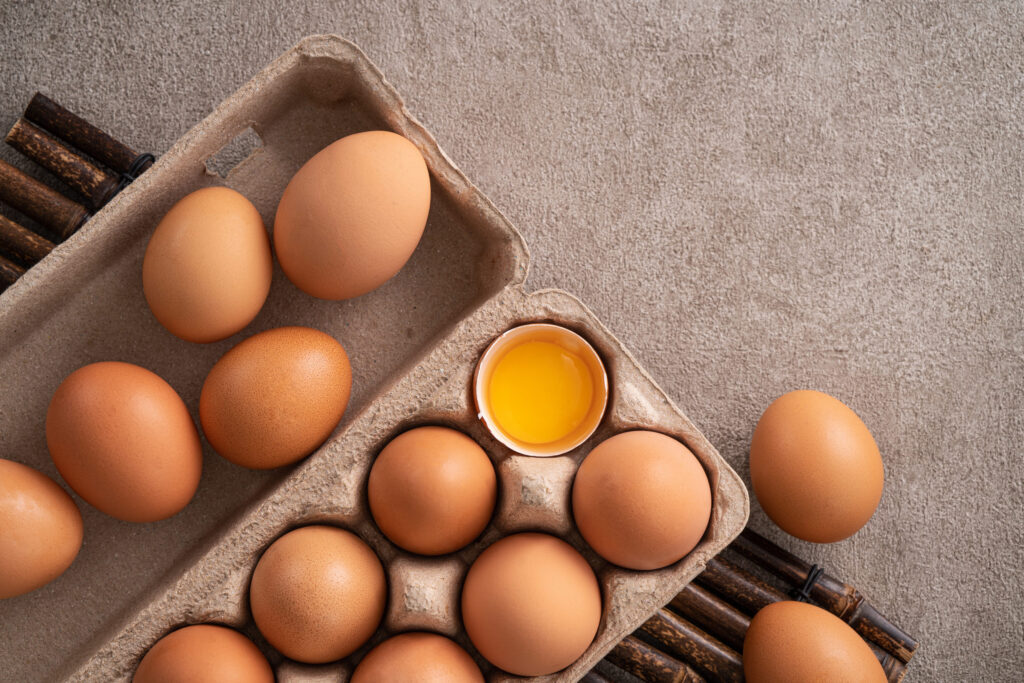
Eggs are an incredibly efficient protein source, providing all nine essential amino acids that your body needs for various functions. One large egg contains around 6 grams of high-quality protein, making it one of the most affordable and accessible options. Eggs are also packed with vitamins like B12 and choline, which are essential for brain and nerve function.
Eggs can be cooked in countless ways: boiled, scrambled, poached, or baked. They’re not just for breakfast; consider adding eggs to salads, sandwiches, or using them in baking recipes. The possibilities are endless, making eggs an ideal protein source for any time of day.
Edamame and Soy Products
Edamame, tofu, tempeh, and soy milk are plant-based protein options that can easily substitute meat in your diet. Edamame, or young soybeans, is especially high in protein, making it a great snack or side dish. Tofu and tempeh, both made from soybeans, are complete proteins that provide all the essential amino acids, making them a great meat alternative for vegetarians and vegans.
Soy products also provide fiber, healthy fats, and various minerals, such as iron and magnesium, making them a valuable part of a balanced diet. Use them in stir-fries, soups, or salads for a delicious, protein-rich boost.
Nuts and Seeds

Nuts and seeds are a great way to add protein and healthy fats to your diet, especially for those on the go. Almonds, peanuts, cashews, chia seeds, and flaxseeds are all excellent sources of protein and fiber. They’re easy to pack for snacks or sprinkle over salads, smoothies, or oatmeal for a quick protein boost.
The best part? These small yet mighty foods also contain healthy fats, such as omega-3s, which promote heart health. Just be cautious of portion sizes, as nuts and seeds are calorie-dense; however, in moderation, they’re an excellent addition to any diet.
Quinoa
Quinoa is a complete protein, containing all nine essential amino acids, making it an incredibly valuable grain for anyone looking to boost their protein intake. Unlike other grains, quinoa offers a significant amount of protein per serving (about 8 grams per cup cooked). It also provides fiber, iron, magnesium, and other essential minerals.
Quinoa is an excellent alternative to rice and other grains, and it works well in everything from savory dishes like salads and stir-fries to breakfast bowls with fruit and nuts. Plus, quinoa is naturally gluten-free, making it suitable for those with gluten sensitivities.
Legumes and Beans

Lentils, chickpeas, black beans, and kidney beans are all fantastic plant-based sources of protein. Beans and legumes are rich in fiber, which aids digestion and helps keep you full longer, making them a great option for weight management.
Beans are also packed with vitamins and minerals, including iron, potassium, and folate. Add them to soups, stews, chili, or tacos for a hearty and nutritious meal. For a protein-packed lunch or dinner, pair beans with whole grains like rice or quinoa for a complete protein.
Fish and Seafood
Fish such as salmon, tuna, and cod, as well as shellfish like shrimp and mussels, are all high in protein and heart-healthy omega-3 fatty acids. Omega-3s support brain health, reduce inflammation, and improve cardiovascular function.
Fish and seafood are incredibly versatile, whether grilled, baked, or added to pastas, salads, or tacos. Salmon and tuna are particularly high in protein, providing around 20-25 grams per 3-ounce serving, making them ideal for a filling, protein-packed meal.
Cottage Cheese
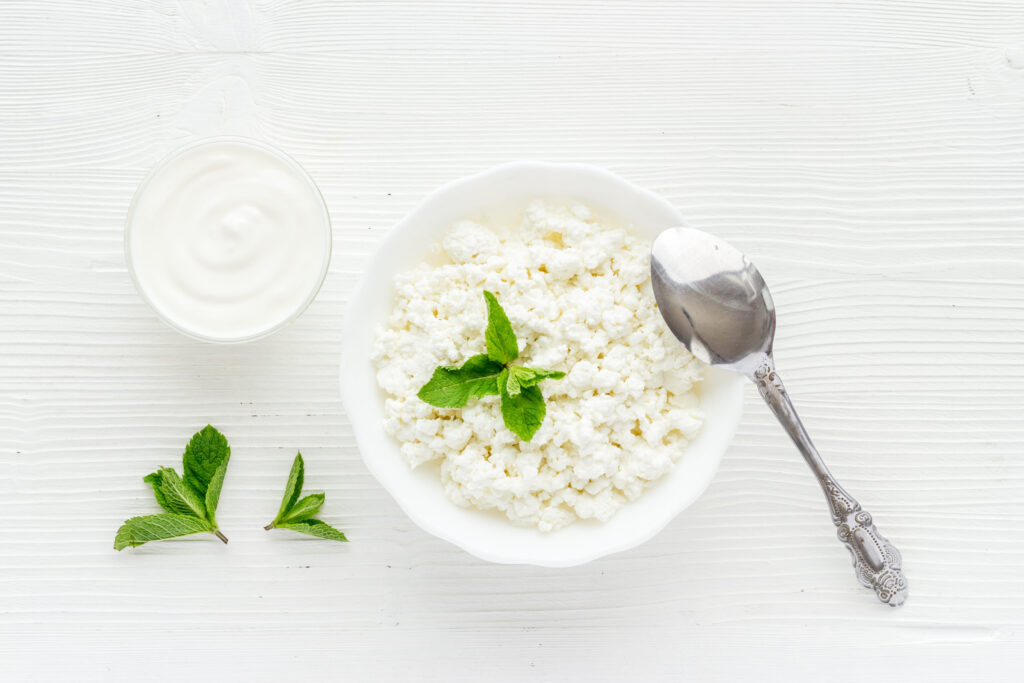
Cottage cheese is a lesser-known protein powerhouse, offering a solid 14 grams of protein per half-cup serving. It’s an excellent source of calcium, which is crucial for maintaining strong bones and teeth. Plus, cottage cheese is low in fat and can be incorporated into both savory and sweet dishes.
Enjoy cottage cheese as a topping for fruit, mixed into salads, or on its own as a satisfying snack. You can also blend it into smoothies for a creamy texture and extra protein boost.
Beans and Peas
Beyond lentils, beans like pinto, black, and white beans offer another great plant-based protein source. Peas, including green peas and split peas, are equally high in protein and fiber. These legumes are affordable and versatile, and they can be easily incorporated into soups, casseroles, and veggie burgers.
Beans and peas are not only protein-rich but also help regulate blood sugar levels, making them a healthy choice for anyone seeking a more balanced diet.
Conclusion
While lean meats, dairy, and eggs have long been considered the main sources of protein, there are many other options you may be overlooking. Whether you’re trying to incorporate more plant-based proteins into your diet or simply diversify your meals, the foods listed above can provide you with all the protein your body needs. By adding these diverse protein sources to your meals, you’ll not only improve your diet but also make your meals more interesting and enjoyable. Make sure to mix things up and give these protein-rich foods a spot in your weekly r