Another Applebee’s is preparing to go dark, and for many diners, this does not feel like just another restaurant closing. The Calexico location is expected to serve its final meals this month, ending a run that stretched for more than two decades.
That means regular customers lose a familiar dinner spot, workers face sudden uncertainty, and another American town watches a known chain name disappear from the local map.
The closing comes at a time when casual dining chains are fighting harder for every dollar. Families are eating out more carefully, labor costs remain heavy, leases are not getting cheaper, and older restaurant locations are under pressure to prove they still make financial sense.
Here are the bigger reasons this Applebee’s shutdown feels like a warning sign for American diners.
Empty Restaurant Buildings Hurt Local Pride.

When a major chain closes, the empty building can become a symbol of decline, even if the local economy is more complicated than that. People notice dark windows, unused parking lots, and fading signs. A closed restaurant can make a shopping center feel quieter, which may also affect nearby businesses that depend on dinner traffic.
For cities and towns, filling that space matters. A new tenant can bring jobs, tax revenue, and activity back to the area. But if the building sits empty for months or years, it can feed the feeling that familiar parts of American life are slowly vanishing one storefront at a time.
Nearly 30 Workers May Feel the Impact.
Restaurant closures hit hardest behind the kitchen doors. A shutdown can affect servers, cooks, hosts, bartenders, cleaners, managers, and delivery-related workers who depend on steady shifts. For nearly 30 employees connected to this location, the closure means a sudden change in routine, income, and job security.
Even when some workers are offered opportunities elsewhere, the transition is rarely simple. A new location may be too far away, the schedule may not fit, or the same number of hours may not be available. That is why the closing of one restaurant can ripple through households long after the final table is cleared.
Older Locations Have to Fight Harder.
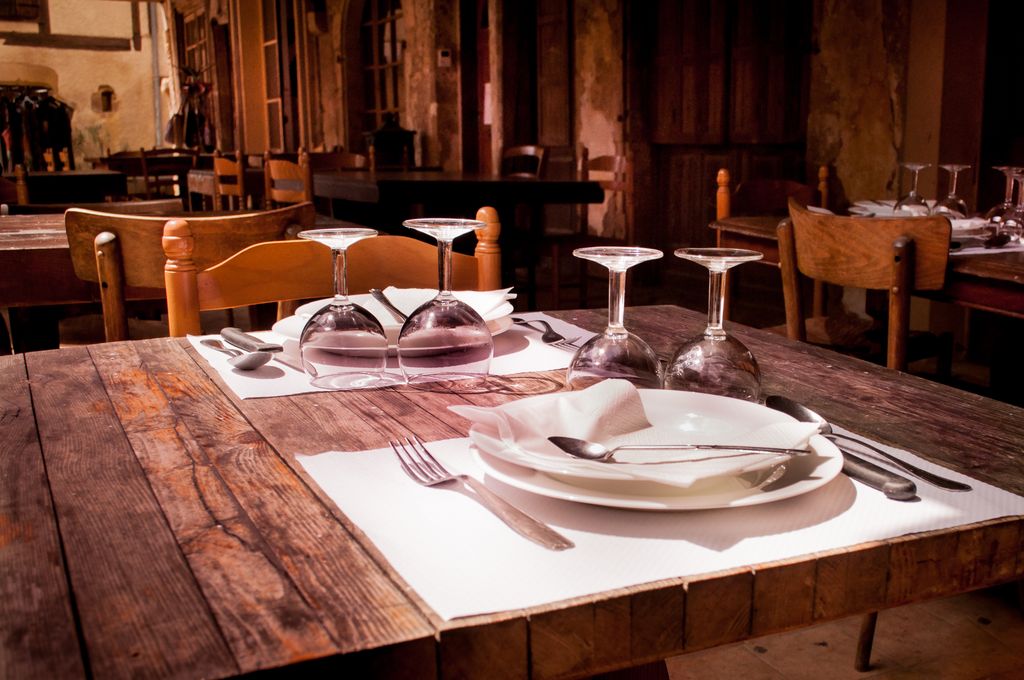
A restaurant that has been open for more than 20 years may have loyal customers, but age can also bring expensive problems. Buildings need repairs, equipment wears down, leases become harder to justify, and dining rooms can start to feel dated.
When corporate owners or franchise operators review performance, nostalgia may not be enough to save a location.
This is one reason long-running restaurants can close even when people still recognize the name.
A familiar sign outside does not always mean the business is healthy inside. If traffic drops, costs rise, or the building no longer fits the company’s plans, the location can quickly become vulnerable.
Applebee’s is Changing its Playbook for the Future.
The closure also comes as the parent company pushes deeper into dual-branded restaurants with IHOP. The idea is simple: combine two familiar chains under one roof so the business can serve breakfast, lunch, dinner, and late-night customers more efficiently.
For the company, that can mean stronger sales from one building and better use of labor and kitchen space.
For longtime Applebee’s fans, the shift may feel bittersweet. It suggests the brand’s future may look less like the traditional standalone neighborhood grill and more like a shared-restaurant model built for efficiency.
That may help the company grow in some markets, but it also raises questions about what happens to older Applebee’s locations that no longer fit the new strategy.
Casual Dining is Getting Squeezed.
Applebee’s is not alone in facing pressure. Across the country, many casual dining restaurants are dealing with customers who still want convenience, comfort food, and value, but are more cautious about spending.
A family dinner that once felt affordable can now feel like a bigger decision when groceries, rent, insurance, and gas already take a larger bite out of paychecks.
This puts mid-priced restaurants in a difficult position. Fast food can feel cheaper and quicker, while local restaurants may offer a more unique experience. Casual chains must prove they are worth the trip, the tip, and the total bill, and weaker locations often go first.
One Closure can Signal Tougher Decisions Ahead.
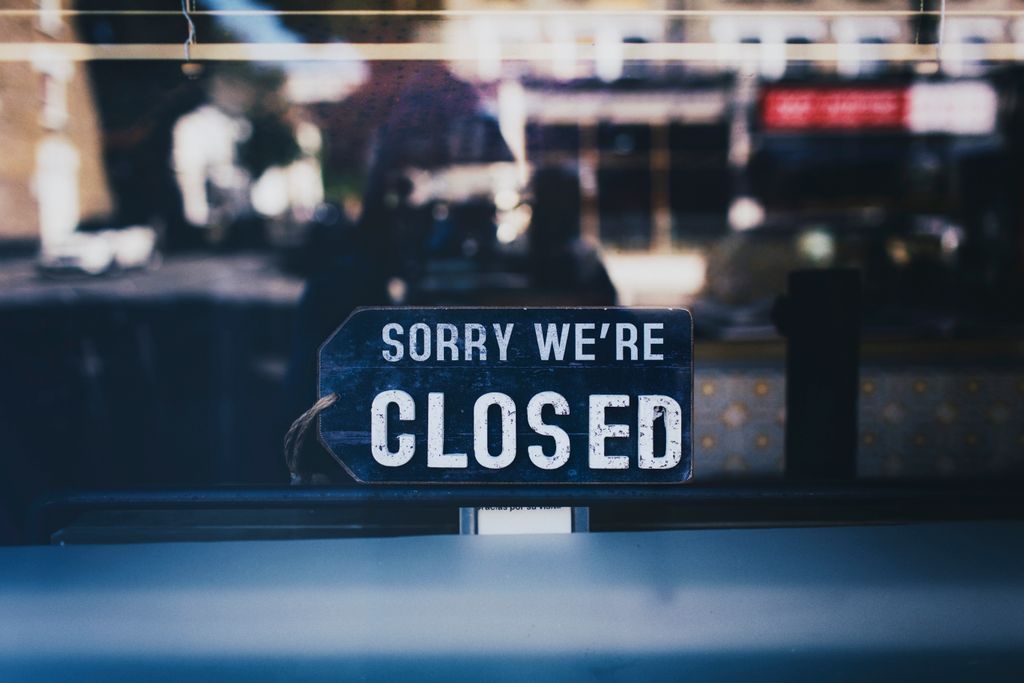
A single Applebee’s closing does not mean the entire chain is disappearing. Still, it fits a broader pattern of restaurant companies trimming weaker locations, testing new formats, and trying to protect profits in a difficult market. Some locations will survive.
Some may remodel. Some may become part of new dual-branded concepts. Others will close for good.
For customers, the lesson is uncomfortable but clear. Familiar restaurants are no longer permanent fixtures just because they have been around for decades.
In today’s dining economy, every location has to prove it still belongs, and even a beloved neighborhood name can lose that fight.
A familiar Neighborhood Spot is disappearing.
Applebee’s built its brand on the idea of being the casual neighborhood place where families could grab dinner without making a big plan. That is why a closure like this feels personal to many customers. It is not just about losing burgers, wings, ribs, or late-night appetizers.
It is about losing a place tied to birthdays, after-work meals, family dinners, and quick weekend plans.
For smaller communities, one national chain can carry more weight than people realize. It gives residents another dining option, creates local jobs, and keeps traffic flowing near nearby stores.
Once a familiar location closes, the empty building can quickly become a reminder that even well-known brands are no longer guaranteed to stay.
Diners are Changing Faster than Old Chains Can Adapt.
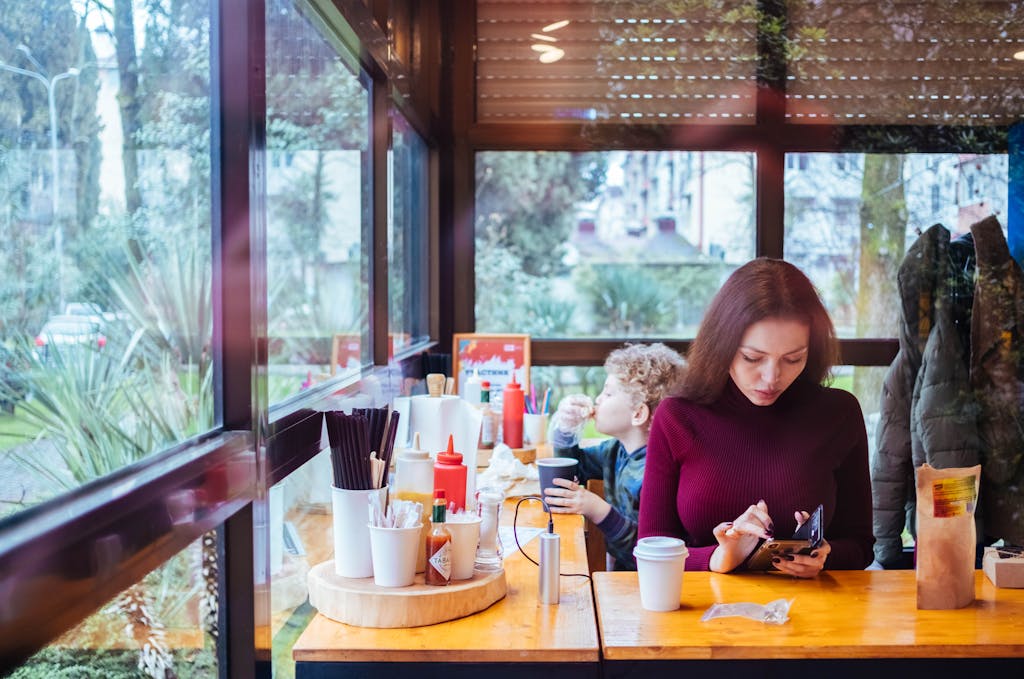
American dining habits have shifted sharply. Customers want delivery, mobile ordering, rewards, lower prices, fresher menus, and a better reason to leave home. Younger diners may not feel the same loyalty to legacy casual chains that older customers once did.
They are often drawn to local food spots, social media-friendly restaurants, or quick-service brands that feel more flexible.
That puts Applebee’s in a tough position. The brand must keep longtime customers happy while also convincing new diners that it still feels relevant.
When a location cannot attract enough steady traffic across age groups, the business case becomes harder to defend.