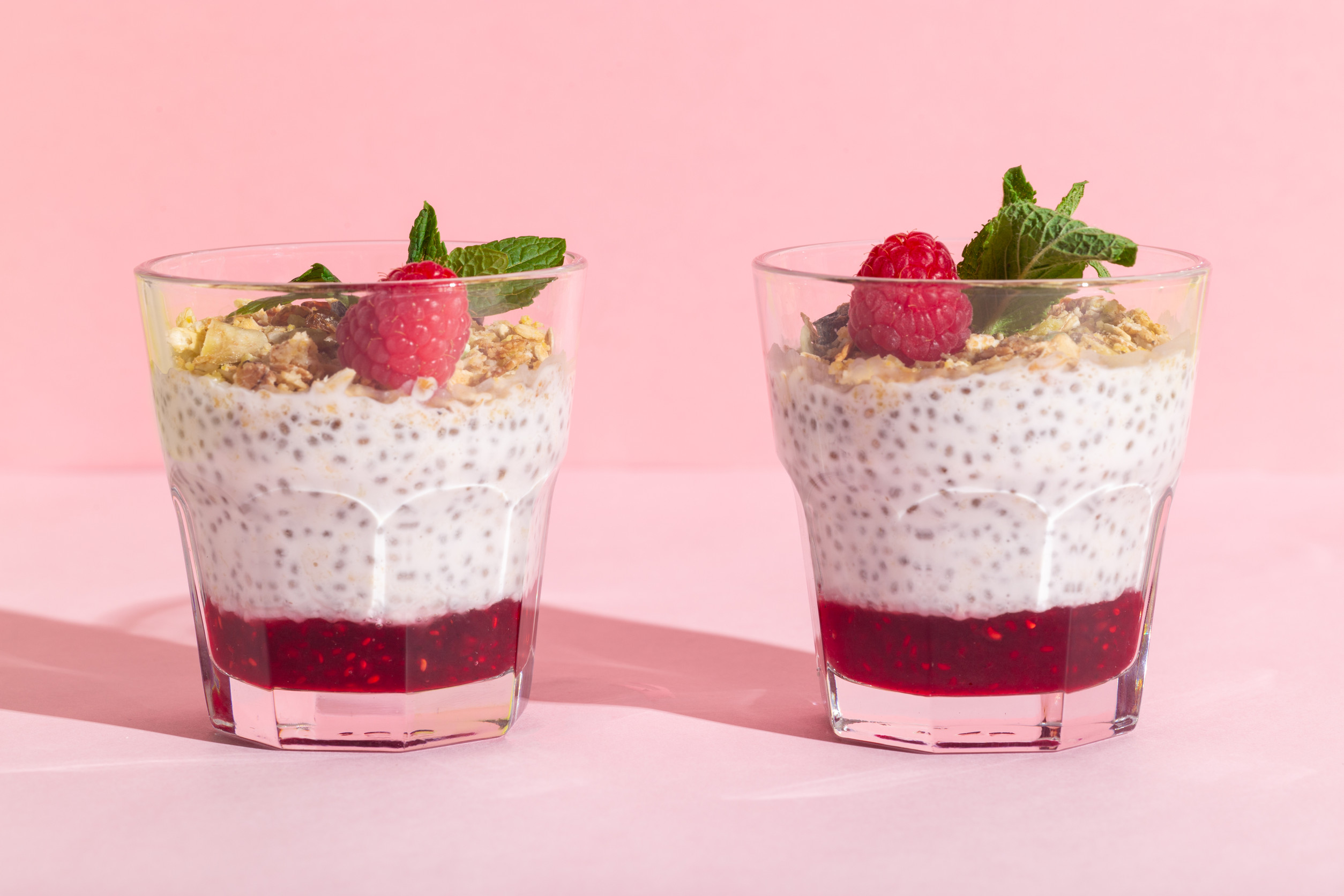
Protein plays a huge role in helping our bodies build muscle, stay full longer, support immunity, and maintain steady energy throughout the day. Yet few people actually get enough of it in their meals. Many of us stick to the same old foods or don’t think about ways to boost protein unless we’re at the gym or consciously dieting. The good news is that there are some surprisingly easy strategies you can use to sneak more protein into everyday dishes without making your plate feel heavier. The following points outline practical actions most people overlook, along with simple ways to fix them so you get more protein without even noticing.
Ignoring Smoothies as a Protein Powerhouse
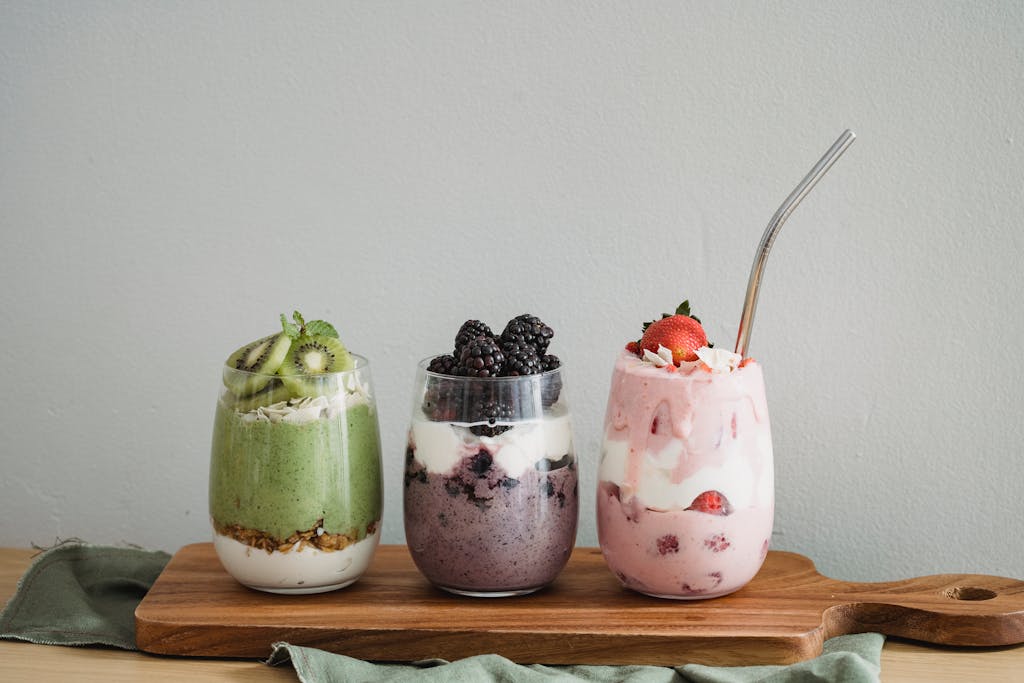
Most people think of smoothies as fruit drinks that fill you up with carbs but contribute little protein. When you skip adding protein-rich ingredients, a smoothie can leave you hungry soon after. Instead of blending only fruit and juice, try adding Greek yogurt, cottage cheese, or even tofu. These ingredients boost protein significantly while keeping your smoothie smooth and creamy. Nut butters like peanut or almond can also add both flavor and extra protein without altering the overall smoothie experience, making your meal or snack more satisfying and nutritionally balanced.
Leaving Out Protein from Sauces and Dips
It’s common to assume protein belongs only on your plate as the main ingredient, but sauces and dips are a missed opportunity. Foods like ricotta, blended beans, or even mashed lentils can be stirred into your pasta sauces, dressings, or hummus-style dips. Doing this adds a notable amount of protein without altering the taste dramatically. Many homemade dips have traditionally been carbohydrate-heavy, but with simple swaps like soft cheese or puréed beans, you can transform them into more nourishing additions to your meal.
Neglecting Beans in Baked Goods and Everyday Foods
When most people bake or make comfort foods, beans are rarely the first ingredient they think of. That’s a mistake because pureed beans can be used in a variety of dishes, from brownies to bread to energy bites. They add not just fiber and nutrients but a substantial protein boost. Cannellini or white beans are especially mild in flavor and can be used to replace fats like butter or oil in some recipes, making your baked goods both healthier and more filling without specialized ingredients.
Forgetting Nuts and Seeds on Salads and Toast
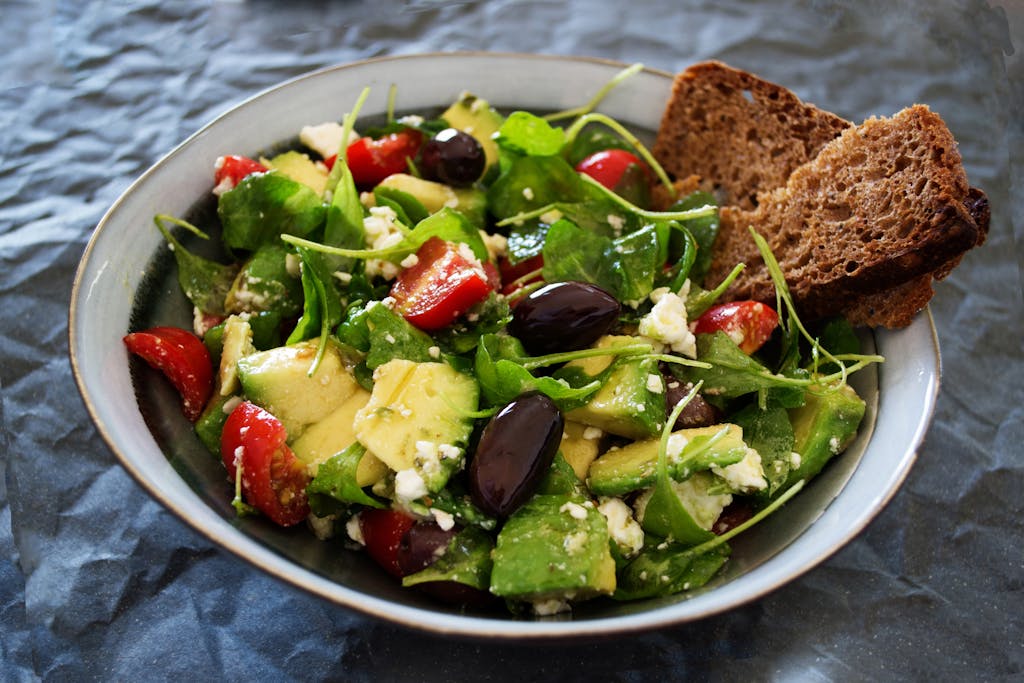
Many of us sprinkle salt, cheese, or croutons on salads and toast, but few consider nuts and seeds as high-protein toppings. A handful of almonds, pumpkin seeds, chia seeds, or hemp seeds can dramatically increase the protein content of a meal while adding texture and healthy fats. These little additions are easy to integrate and don’t require cooking or changing your recipe. Over time, forming a habit of topping your meals with seeds or nuts can have a subtle but meaningful impact on your protein intake.
Not Choosing Snacks That Actually Break Hunger
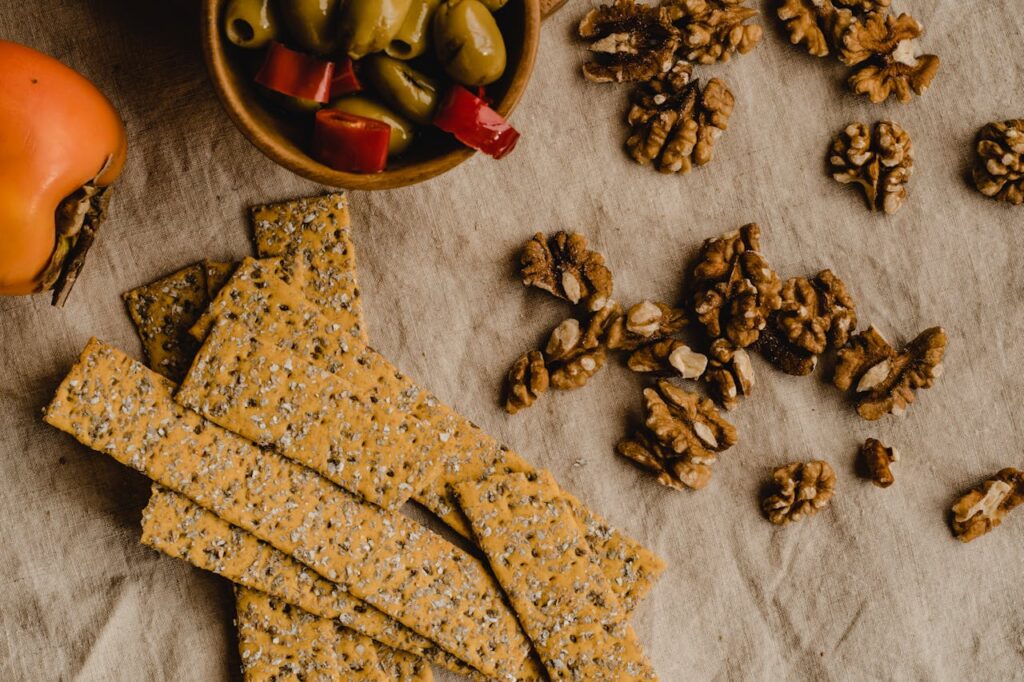
Reaching for chips, crackers, or fruit alone between meals often means missing out on protein at snack time. Snacks that combine protein and fiber help keep you full longer and prevent overeating at your next meal. Instead of low-protein snacks, choose options like hard‑boiled eggs, Greek yogurt, roasted chickpeas, or turkey jerky. These choices provide a far higher protein punch, helping you power through the day with better energy and fewer cravings.
Increasing protein doesn’t have to be complicated or limited to big dishes. By tweaking how you blend, cook, top, or snack, you can increase your daily protein intake with minimal effort. These simple adjustments help make meals more satisfying, nutritionally balanced, and better suited to supporting overall health goals.
Conclusion
In conclusion, most people aren’t failing to get enough protein because they lack options; they’re missing opportunities. By seeing everyday foods differently and adding protein where you normally wouldn’t, you can turn ordinary meals into nutritionally stronger ones without disrupting your eating habits. Small changes throughout the day add up to big results in how you feel, how full you stay, and how well your body func