Historic sites have been cherished for centuries, standing as symbols of human achievement and cultural heritage. Yet despite the protections in place, modern visitors continue to cause irreparable damage sometimes in shocking, bizarre ways.
Though tourism can boost a site’s economy, the harm caused by careless or thoughtless actions often outweighs the benefits. From stolen cobblestones to disrespectful graffiti, let’s explore how visitors are unintentionally destroying these invaluable treasures.
Climbing the Kukulkan Pyramid
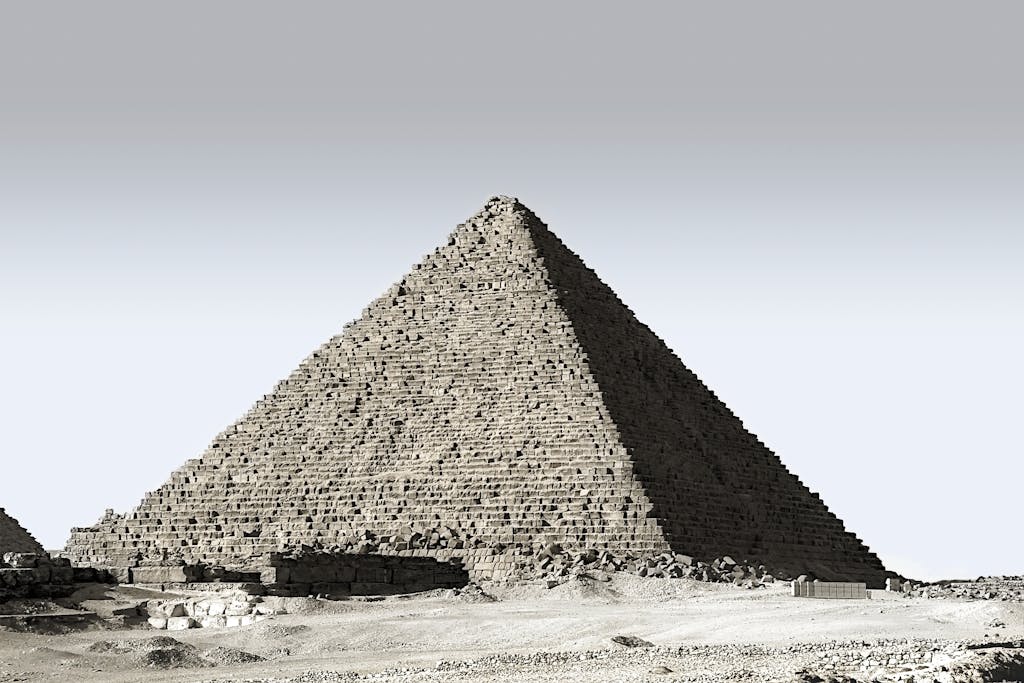
The Pyramid of Kukulkan at Mexico’s Chichén Itzá is a symbol of Mayan ingenuity and culture. Unfortunately, it has become a victim of excessive tourism. Visitors climb the pyramid’s 365 steps each year, unknowingly speeding up its deterioration.
In 2008, authorities banned climbing the pyramid, but many tourists still attempt it, disregarding the site’s historical significance. Violators now face heavy fines and potential imprisonment, yet the temptation to climb remains a serious issue.
Taking Bricks From the Great Wall of China
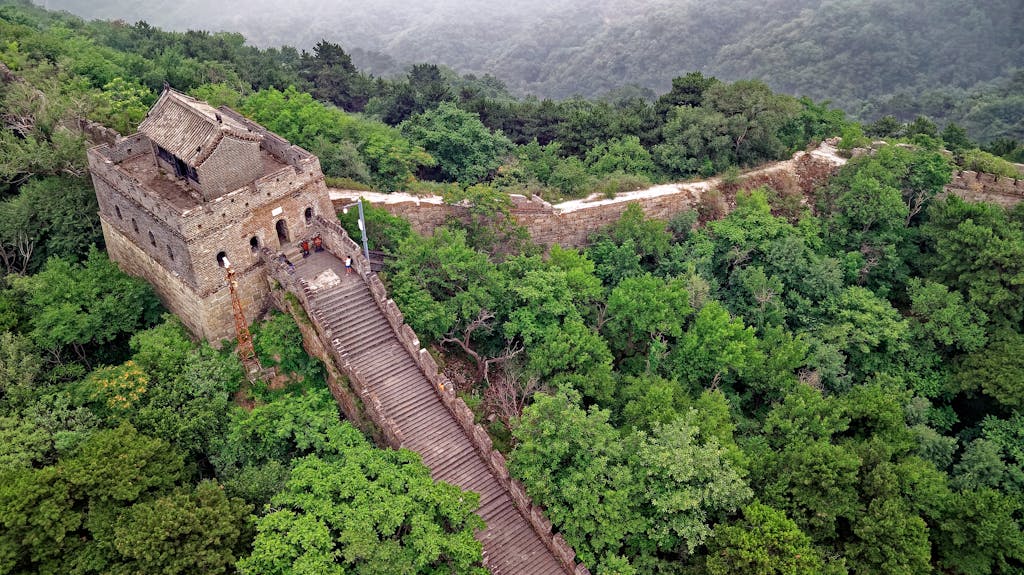
The Great Wall of China is an ancient marvel, stretching over 13,000 miles across the country. However, during the 1960s and 1970s, many villagers took bricks from the Wall to build their homes.
Despite laws against the practice, the theft continued for decades, contributing to the Wall’s gradual decline. While recent efforts have been made to halt this damage, the effects of this sustained pilfering are still evident in the Wall’s erosion and disrepair.
Stuffing Coins at the Giant’s Causeway
The Giant’s Causeway in Northern Ireland, a UNESCO World Heritage site, is renowned for its breathtaking hexagonal basalt columns formed over 60 million years ago. While many visitors admire its natural beauty, others have turned it into a site for superstition, stuffing coins into the crevices between the rocks.
Although the intent is harmless, the coins cause significant damage. As they rust, they expand, forcing the columns apart and leaving behind ugly streaks. Over time, this corrosion weakens the natural formation, and removing the coins could cost upwards of $40,000.
Stealing Petrified Wood
Petrified Forest National Park in Arizona is home to one of the largest collections of fossilized wood in the world. Visitors often take small pieces of petrified wood as souvenirs, despite clear signs prohibiting it.
This theft has become such an issue that the park has tried various methods to deter it, including psychological studies to better understand why people steal. These efforts have had limited success, and the theft continues, threatening the preservation of this ancient landscape for future generations.
Carving Names Into the Colosseum
The Colosseum in Rome is one of the most recognizable symbols of ancient Roman civilization. Yet, despite stringent penalties for graffiti, some visitors still carve their names into its stone walls.
This modern defacement threatens the structural integrity of the nearly 2,000-year-old amphitheater. In 2023, a tourist was caught on video carving into the Colosseum’s walls, even after the Italian authorities imposed hefty fines and jail time for such vandalism. The damage, both physical and cultural, is an ongoing problem for the iconic monument.
Peeing on Ulm Minster

Ulm Minster, the world’s tallest church, has stood for centuries. Yet, in modern times, a new problem has emerged: urine damage. Men have been caught urinating on the church’s sandstone base, which contributes to the erosion of its structure.
Despite increased fines and police patrols, the issue persists, dating back to at least the 14th century. The constant exposure to urine causes acidic damage, degrading the church’s foundation and threatening its future preservation.
Stealing Cobblestones in Bruges
Bruges, Belgium, with its medieval charm, relies on its cobblestone streets to maintain its historical appeal. Yet, every month, between 50 and 70 cobblestones are stolen by visitors, primarily as souvenirs.
This ongoing theft not only desecrates Bruges’s heritage but also creates hazardous tripping hazards for others. While stealing cobblestones might seem like a small act, it reflects a broader disregard for the preservation of historic structures, jeopardizing both safety and cultural integrity.
Rubbing Juliet’s Statue in Verona
Verona’s Juliet statue, inspired by Shakespeare’s “Romeo and Juliet,” has become a site of odd rituals. Visitors believe that rubbing Juliet’s breasts brings good luck in love. Over time, the constant rubbing has caused significant wear to the statue, prompting the creation of replicas.
Despite the statue’s relatively recent creation, the sheer volume of interaction has caused irreversible damage. This is a prime example of how misguided rituals can damage public art and historical landmarks.
Pooping on Herculaneum
In Herculaneum, the ancient Roman town destroyed by Mount Vesuvius in 79 AD, pigeon droppings have become a major preservation issue. The acidic nature of bird droppings is eroding the town’s ancient structures.
To combat the problem, authorities have employed hawks to scare off the pigeons, but the damage is already significant. While the source of the issue is unexpected, the consequences are severe, illustrating how even seemingly harmless creatures can endanger historical sites.
Breathing on Cave Paintings
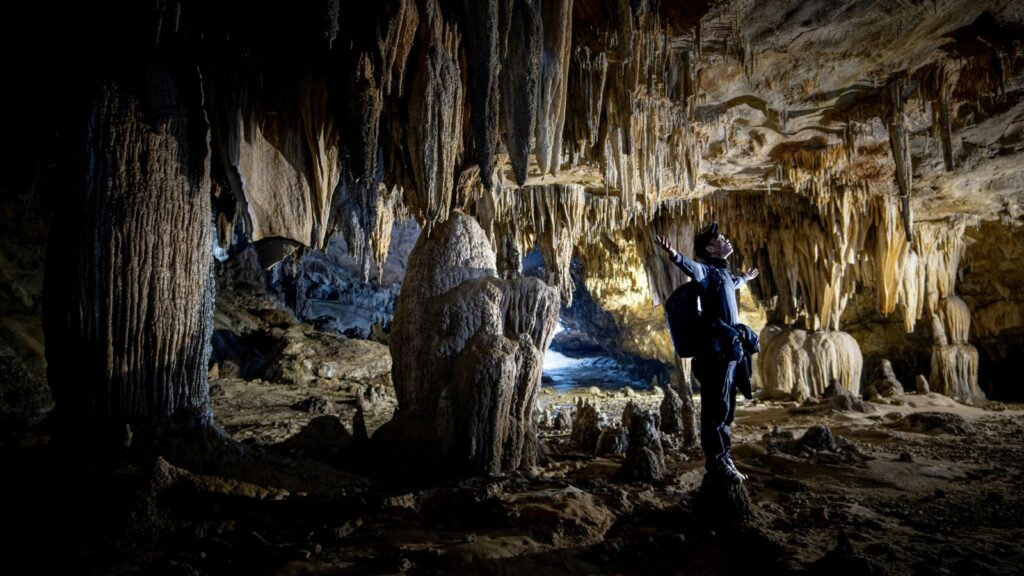
The prehistoric cave paintings at Lascaux, France, are among the world’s most precious cultural artifacts. Unfortunately, visitors’ breath and sweat have caused irreparable damage to the original cave paintings.
When the cave was first opened to the public after its discovery in 1940, the influx of visitors led to a significant increase in humidity, threatening the artwork’s survival. Today, the real cave is closed to the public, with only a replica available for visitors. This incident highlights how even the mere presence of people, without direct contact, can jeopardize a historic site’s preservation.