
Gambling addiction, or problem gambling, has become one of the most insidious addictions of the modern world. It can affect anyone, regardless of their background, wealth, or intelligence. Gambling may start as a harmless form of entertainment, but it can quickly spiral out of control, ruining finances, relationships, careers, and ultimately, mental and physical well-being. This article delves into the devastating effects of gambling addiction, covering various aspects such as financial hardship, legal problems, relationship strains, mental health deterioration, and much more.
How Gambling Addiction Impacts Your Finances
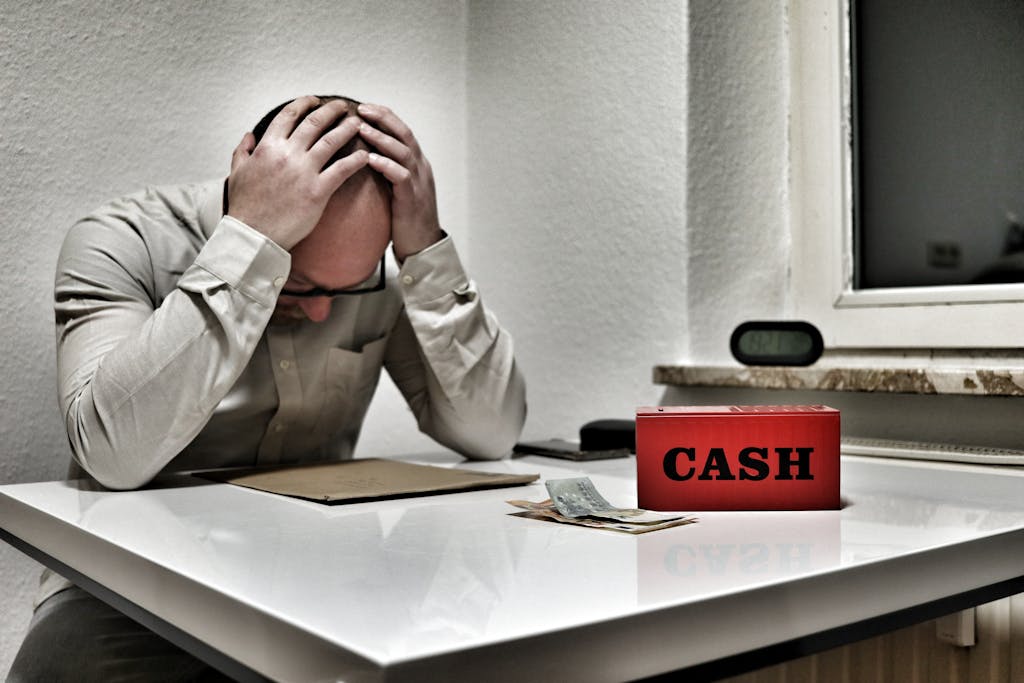
The financial repercussions of gambling addiction are often the first thing people think of when considering its dangers, and for good reason. According to the National Council on Problem Gambling (NCPG), U.S. gamblers lost an astounding $120 billion in 2021 alone. For those suffering from gambling addiction, financial woes aren’t just a side effect; they’re a central consequence of the addiction.
A gambling addict might go from using disposable income for entertainment to relying on loans, maxed-out credit cards, and even stolen money to fund their habit. Many end up borrowing from friends and family, which creates an overwhelming sense of guilt and shame. But the financial troubles don’t end there. A gambling addict may find themselves in massive debt, sometimes upwards of $100,000 or more, and facing a mountain of overdue bills and loan repayments.
Gambling addiction can also cause bankruptcy, with a report from Gamblers Anonymous revealing that nearly 30% of compulsive gamblers have filed for bankruptcy. The habit might push someone to risk their retirement savings, home equity, or investments, taking even more extreme steps to fund their addiction. Whether it’s spending money on payday loans, cash advances, or gambling on high-risk investments, the damage is significant. It’s not uncommon for the gambler to resort to pawn shops or even lose their property to pay off their gambling debts.
The devastating effect of financial ruin can leave individuals vulnerable, and the sheer stress of financial instability can worsen other aspects of their lives.
Legal Consequences of Gambling Addiction
When a person becomes entrenched in gambling addiction, it’s easy to ignore or downplay the potential legal consequences that might arise. Many gamblers don’t stop with legal betting establishments like casinos; they venture into illegal activities such as underground sports betting, bookmaking, and unauthorized poker games. The criminal nature of these activities can put them at risk for severe legal consequences, including jail time.
Additionally, some gamblers resort to dishonest practices such as embezzlement, fraud, shoplifting, or even petty theft to fund their addiction. The mounting debts combined with poor decision-making can lead to legal battles, court orders, or even loss of custody of children in extreme cases.
For the gambler, legal problems can snowball, making the addiction harder to manage and leading to even more severe consequences. Relationships with loved ones can deteriorate as they’re forced to take on the financial burden of the addiction. Even when financial issues are addressed, the lingering legal consequences can remain for years, further complicating the addict’s life.
Employment and Career Problems Due to Gambling Addiction
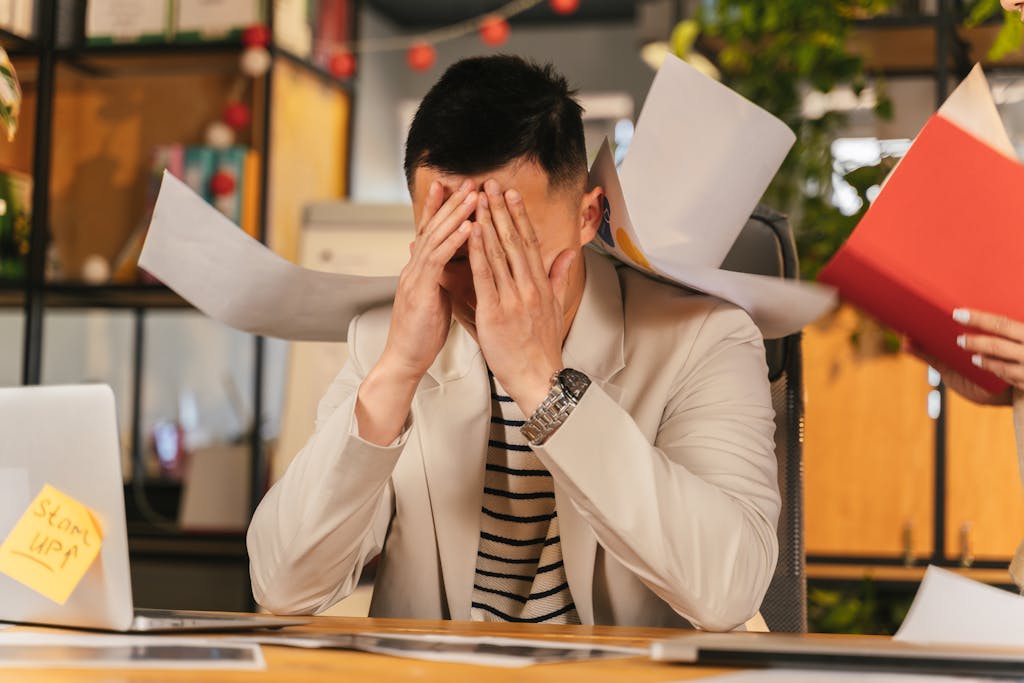
Employment often becomes a double-edged sword for someone struggling with gambling addiction. On one hand, their job provides the funds they need to gamble; on the other hand, the addiction makes it nearly impossible to perform well at work. As gambling takes up more and more of their time and focus, their job performance deteriorates.
It’s not uncommon for addicts to skip work, show up late, or be mentally absent due to preoccupation with their next bet. The stress and anxiety of gambling losses spill into the workplace, leading to frequent absences, poor quality of work, and even dangerous mistakes, especially for those in manual labor or high-risk jobs. These behaviors often lead to disciplinary actions, including termination.
How Gambling Addiction Hurts Relationships

Gambling addiction doesn’t just affect the gambler; it often destroys relationships with family, friends, and partners. Trust is one of the first things to break down in a relationship when gambling becomes a problem. The addict’s need for money to fuel their habit can lead them to steal from loved ones, lie about their spending, or break promises to quit gambling.
According to studies, nearly 30% of problem gamblers are involved in domestic violence or abusive situations with their partners, stemming from the stress and financial strain of the addiction. Children, especially, are vulnerable to the emotional toll of witnessing conflicts and neglect due to their parents’ obsession with gambling. Over time, the addict’s preoccupation with gambling erodes familial bonds, often leading to separation or divorce.
One of the hardest aspects for loved ones is the guilt and shame they feel in dealing with a gambling addict. The person they once trusted becomes a source of anxiety, and the emotional toll can be overwhelming. But addiction isn’t just a personal problem; it’s a family issue, and everyone suffers the consequences.
Mental Health Struggles from Gambling Addiction
Gambling addiction is often linked to mental health problems such as anxiety, depression, and stress. As gambling addicts struggle to balance their obsession with their emotional well-being, they may begin to feel a sense of hopelessness. The failure to control their addiction exacerbates feelings of guilt, self-loathing, and despair.
Unfortunately, gambling addiction can worsen existing mental health issues. Research shows that a significant number of gamblers experience anxiety, depression, and suicidal thoughts. According to the Adult Psychiatric Morbidity Survey, 1 in 5 problem gamblers have considered suicide, with 1 in 20 attempting suicide in the past year. For many addicts, the emotional pain of losing everything they care about becomes too much to bear.
How Gambling Addiction Impacts Physical Health
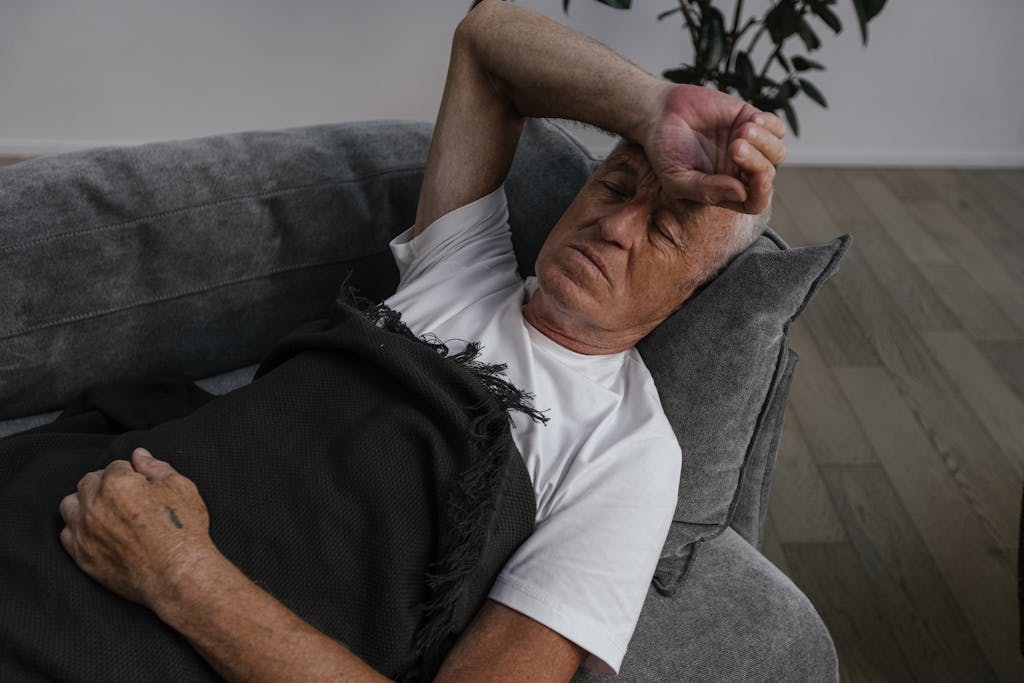
Although gambling addiction isn’t directly related to physical health, it can have serious consequences on the body. The stress caused by gambling, the financial pressures, and the emotional toll of the addiction can trigger physical symptoms. Gamblers may experience chronic health problems such as hypertension, sleep disorders, cardiovascular issues, and even digestive issues due to stress and unhealthy habits.
Many addicts also fail to prioritize their health, avoiding exercise, making poor diet choices, and engaging in excessive smoking or drinking. The neglect of physical well-being can lead to long-term consequences, worsening the addict’s quality of life.
The Toll on Loved Ones and Family Members
The devastating effects of gambling addiction extend far beyond the individual gambler. Family members, especially spouses and children, often find themselves caught in a web of financial instability, emotional stress, and broken trust. The gambler’s behavior frequently leads to significant distress, resentment, and trauma among loved ones.
Children are particularly vulnerable, and they may witness financial struggles, arguments, and neglect. In some cases, the family may have to deal with emotional abuse or physical violence due to the addict’s actions. The effects on loved ones are often long-lasting, even when the gambler seeks recovery.
What Can You Do If You’re Affected by Gambling Addiction?
The first step to recovery is acknowledging the problem. If you or a loved one is struggling with gambling addiction, professional help is crucial. There are various treatment options available, including cognitive behavioral therapy (CBT), counseling, and support groups like Gamblers Anonymous. Therapy can help individuals understand the root causes of their addiction and develop healthier coping mechanisms.
Self-help options and support groups can provide invaluable support for both the addict and their loved ones. Recognizing the need for help and taking action to address the addiction is the first step towards healing.
Conclusion
Gambling addiction may seem like an insurmountable obstacle, but recovery is possible with the right help and support. While the financial, emotional, and mental toll can be overwhelming, individuals who commit to overcoming their addiction can rebuild their lives.
It’s important to understand that the road to recovery isn’t easy, but with determination, support, and professional help, addicts can regain control of their lives. Family and friends play a crucial role in the recovery process, and understanding the impact of gambling addiction on those around you is key to healing broken relationships.
While the effects of gambling addiction can be devastating, it is possible to break free from the cycle and restore balance. Seeking help, building trust with loved ones, and prioritizing mental and physical well-being are essential steps in the journey to recovery.





Great work… exhausting what most of our present world has no clue on what gambling entails… keep up