In the ever-evolving world of home design, trends come and go. What may seem fresh and exciting one year quickly becomes outdated or downright annoying the next. Here’s a closer look at some modern home design trends that people are secretly tired of and what’s likely to replace them in the near future.
Waterfall Islands

Waterfall kitchen islands, where countertops cascade down the sides, have been all the rage in high-end kitchens. However, the practical downside is the risk of damage at the “kicking level.”
Expensive tiles or stone countertops are prone to scuffing and scratching, making them impractical for families with active households. It’s time for a design rethink, perhaps islands with functional, durable surfaces that prioritize utility and style.
The White Farmhouse Look
The white farmhouse style, with its iconic black trim and cedar porch accents, has dominated the suburban housing market. Yet, as more and more homes are being built in this style, it feels like a one-trick pony.
Homebuyers are beginning to crave something more original, as the white farmhouse look is growing predictable and overused. Custom design is making a comeback, with richer colors and unique architectural styles replacing this once-trendy aesthetic.
Color Drenching
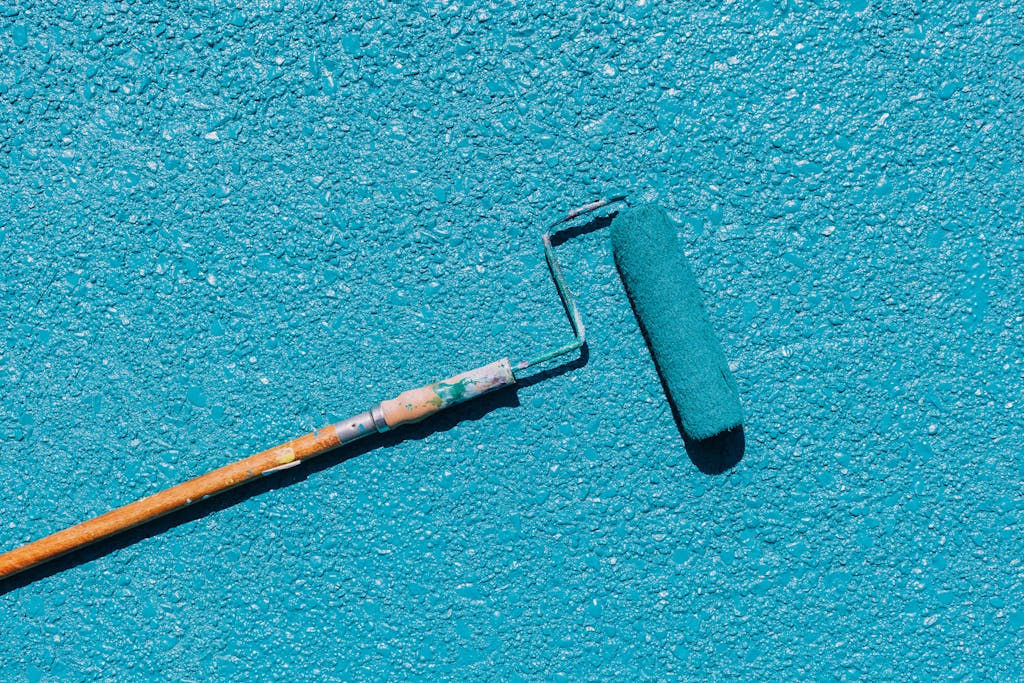
Color drenching, a technique in which a room is painted entirely in a single deep hue, has gained popularity in recent years. While it can create a bold statement, the lack of contrast often leaves spaces feeling flat and uninspired.
Over time, maintaining these colors, especially in trim and walls, can become a nightmare for homeowners. The future lies in balance, harmonizing vibrant colors with contrasting elements to create depth and dimension in each room.
Open Concept
Open concept floor plans may have been the height of modern home design, but they come with significant drawbacks. One major issue? The perpetual spread of cooking smells throughout the house.
While some might argue that an open space fosters family togetherness, many homeowners have found it to be more of a sensory overload. A shift back to more closed-off kitchens and strategically designed spaces might just be the answer to this dilemma.
Bare Light Bulbs

While minimalist light fixtures featuring exposed bulbs might look chic in certain settings, they are often impractical and uncomfortable. The harsh light emitted from these exposed bulbs can strain your eyes, especially in rooms meant for relaxation or in children’s rooms. Homeowners are beginning to replace these bare bulbs with softer, more ambient lighting options that offer both style and comfort.
Beige Overload
For years, neutral tones like beige and off-white have been the go-to color palette for interior design. While these shades provide a clean and calming backdrop, they often lack personality.
People are craving spaces filled with color, texture, and individuality. Homeowners are now looking to incorporate bold accent colors and design elements that reflect their unique tastes and lifestyles.
Square Sinks
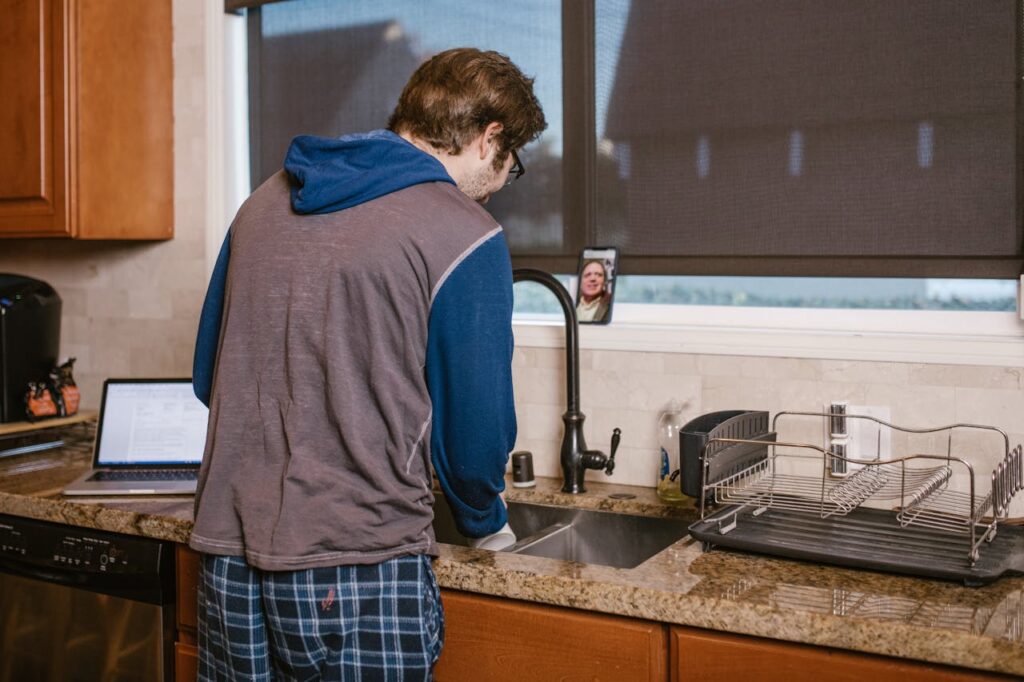
While square sinks may look sleek and modern, they are surprisingly difficult to maintain. The sharp corners collect grime, making them harder to clean and less hygienic than their round counterparts. As homeowners shift toward more practical choices, rounded sinks with easy-to-clean surfaces are gaining favor, making square sinks a trend to leave behind.
Barn Doors
Barn doors may have brought a touch of rustic charm to contemporary homes, but they’ve received mixed reviews. While they can look great in certain spaces, they often feel out of place in bathrooms or as bedroom doors.
Their functionality can also be limited, as they may not provide the privacy that many people want in these intimate spaces. Sliding doors, or traditional doors with a modern twist, are becoming the preferred option for many homeowners.
Range Tops in the Middle of the Island
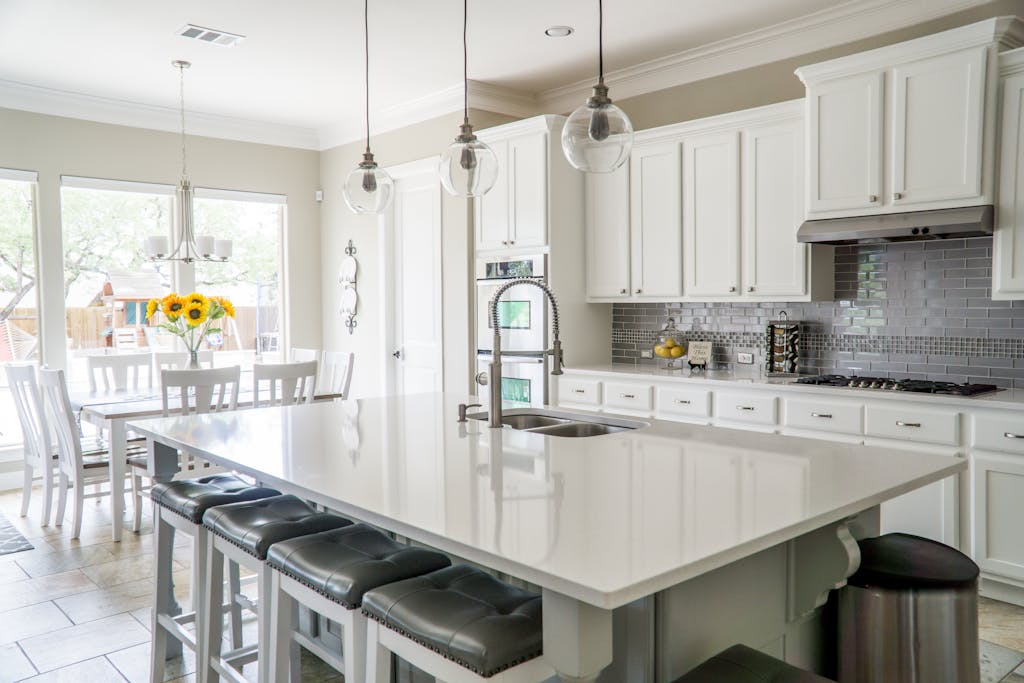
Range tops positioned in the center of kitchen islands have become a staple in many modern homes. While they may look stylish, they come with significant safety risks, especially if you have young children or pets.
No one wants to sit next to a sizzling pot of boiling water or an open flame. A shift towards more traditional stovetop placements or more enclosed, dedicated cooking areas is starting to make a lot of sense for practical kitchen design.