Lighting can transform the atmosphere of your living room, bringing out the best in its design, enhancing its functionality, and setting the right mood. However, many homeowners overlook the importance of planning their living room lighting, resulting in mistakes that make the room appear cold, uninviting, or even smaller than it really is.
Here, we highlight 10 common lighting mistakes and provide actionable advice to ensure your living room is properly lit and visually pleasing.
Neglecting Ambient Lighting

Ambient lighting serves as the base layer for your lighting design, providing overall illumination in your living room. Without it, the room may feel dark and confined. Ceiling lights, fixed wall lights, or even natural light from windows can help achieve this.
However, it’s important not to rely solely on overhead lighting. Integrate other light sources, such as table lamps, floor lamps, or wall sconces, to enhance the ambiance and bring depth to your space.
Skipping Dimmer Switches for Key Lighting
One of the most common and easily avoidable mistakes is failing to install dimmer switches on your main light fixtures, such as pendants or chandeliers. Dimmer switches give you the flexibility to adjust the light intensity according to the time of day or mood you want to create.
During the day, you may prefer brighter, more functional lighting, while in the evening, softer lighting can create a cozy and inviting atmosphere. Always choose lighting fixtures that support dimmer switches for maximum versatility.
Overlooking Light Levels for Different Times of Day
Many people think that the lighting should be the same throughout the day, but that’s not the case. Natural light changes throughout the day, and your artificial lighting should reflect that.
For example, bright overhead lighting during the day might be too harsh in the evening when you want to relax. Use a mix of lighting, such as adjustable lamps or dimmable fixtures, to adjust the intensity depending on the time of day and your needs.
Incorrect Lamp Placement and Heights
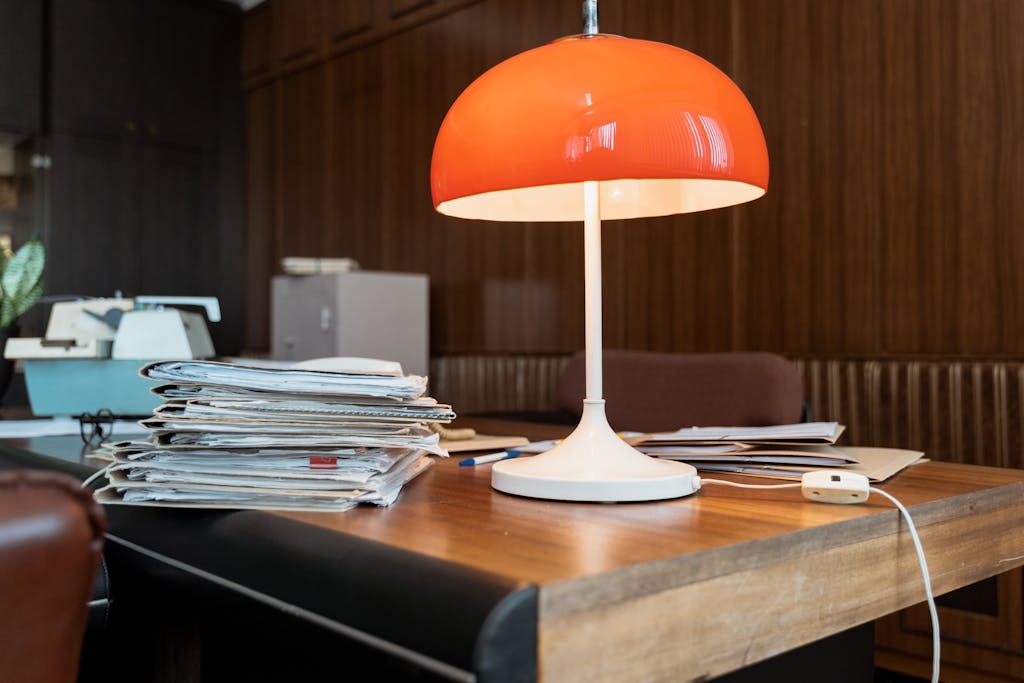
A common mistake when using table and floor lamps is placing them at inconsistent or incorrect heights. For example, when using multiple lamps, ensure their heights align for a balanced, harmonious look.
The top of your table lamp should be at eye level when seated, while floor lamps should not overpower the furniture around them. This attention to detail can make your living room feel more cohesive and intentional.
Choosing the Wrong Color Temperature for Lighting
The color temperature of your lighting plays a significant role in the mood of your living room. A cold, blue-toned light can make a room feel sterile and unwelcoming, while warm, soft lighting creates a cozy and inviting atmosphere.
Stick to a warm white or soft white temperature (around 2700K) to create an intimate feel. Be mindful of how different lampshades or lightbulbs can affect the light’s temperature, as they can change the hue and warmth of the room.
Overusing Recessed Lighting
While recessed lighting may seem like an easy solution for brightening a room, it can create a harsh, overly clinical atmosphere. Instead, balance your recessed lighting with other fixtures such as pendant lights, table lamps, and floor lamps. These light sources help add warmth and softness to your space while keeping it visually interesting.
Insufficient Lighting in Large Living Rooms
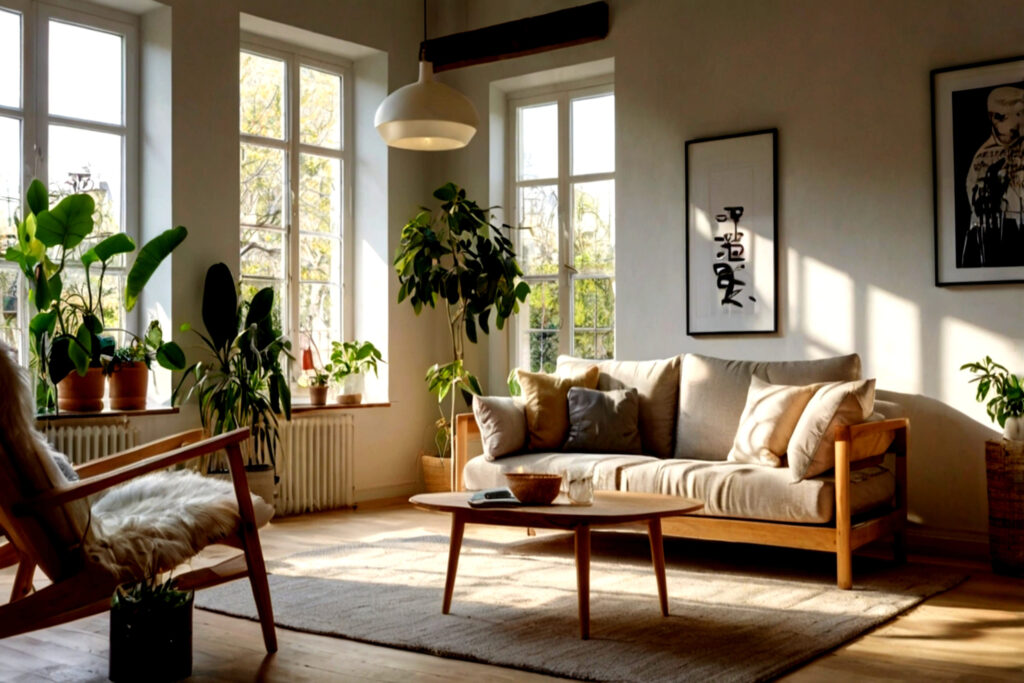
Large living rooms can be tricky to light properly. Using only overhead lighting can leave areas of the room feeling dim, especially in corners or around furniture. Instead, layer your lighting by adding pendant lights, wall sconces, and table lamps throughout the room.
Consider using wall-mounted picture lights to highlight artwork or architectural features. This multi-layered approach will ensure that the room feels well-lit and balanced from all angles.
Failing to Control Lighting Effects
Controlling the effects of your living room lighting is key to setting the right mood. Floor and table lamps with adjustable dimmers are perfect for creating mood lighting.
Installing multiple lighting controls allows you to tailor the lighting to different scenarios, whether you’re entertaining guests, reading, or watching TV. Also, adding additional wall lights in alcoves or corners can create an intimate, cozy nook perfect for relaxation.
Over-Reliance on Downlighters
Downlighters can be useful for task lighting, but they shouldn’t dominate the room, especially in large living spaces. When overused, downlighters create a harsh, spotlight effect that makes the room feel cold and unwelcoming.
Instead, combine downlighters with softer light sources, such as lamps and sconces, to provide more balanced illumination. This combination will prevent shadows from overwhelming the space.
Selecting the Wrong Proportions for Light Fixtures
Choosing light fixtures that are too large or too small for the space is a common mistake. A pendant light that hangs too low can block sightlines and make the room feel cramped, while one that is too high may lack presence and fail to make an impact.
For a cohesive look, choose a pendant that suits the room’s proportions and hangs comfortably over central furniture, such as a coffee table or dining area. The fixture should have enough space to breathe without overpowering the rest of the room’s décor.
Key Takeaways
Lighting is an essential aspect of living room design that often goes unnoticed, yet it significantly impacts the room’s atmosphere, functionality, and visual appeal. By avoiding these common lighting mistakes and focusing on layering light, adjusting light levels, and balancing practical and aesthetic needs, you can transform your living room into a welcoming, comfortable, and stylish space.