Designing your living space can be a rewarding process, but certain choices can create a cramped atmosphere, even in rooms with ample space. Below are six common decorating mistakes that can make a room feel much smaller than it actually is, and how to fix them.
Choosing a Rug That’s Too Small
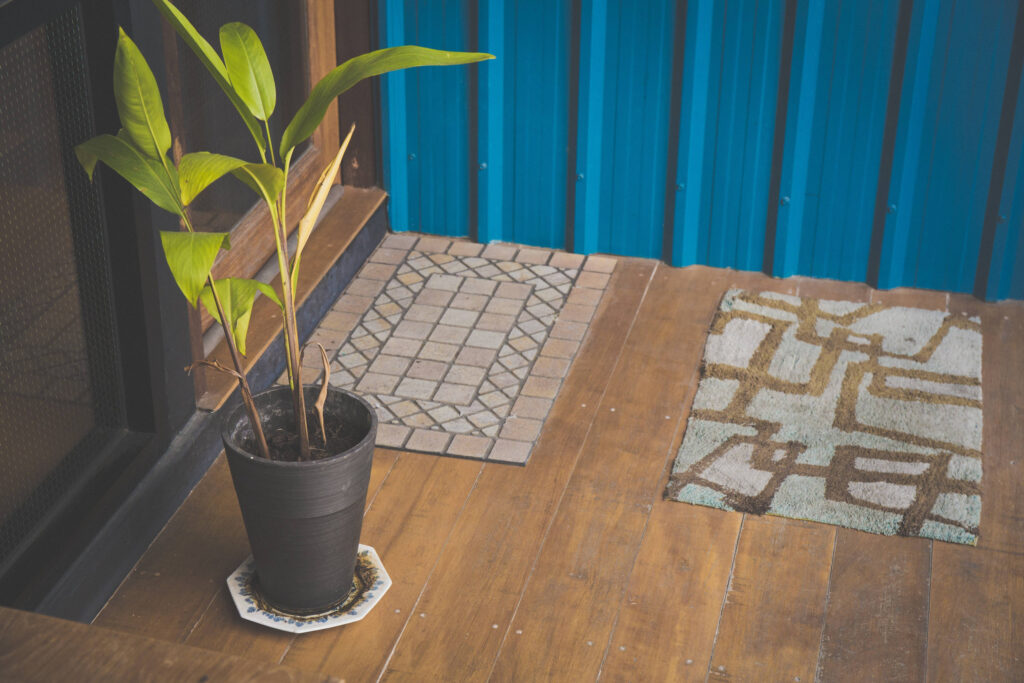
Nothing disrupts a room’s flow faster than a rug that’s too small for the space. A tiny, out-of-place rug can disrupt the room’s layout, making the space feel disconnected and smaller. The key to solving this is to choose a rug that’s large enough to anchor the furniture. A well-sized rug should allow the front legs of your furniture to sit on it, creating a unified and spacious look.
Make sure the rug is large enough to cover most of the seating area, leaving about 12 inches of bare floor around the edges. This adds balance and makes the room feel more expansive.
Pushing Furniture Against the Walls
It’s a common misconception that pushing all furniture against the walls creates more space in a room. However, this layout can actually make the space feel tighter and less inviting. The key here is to pull furniture away from the walls slightly, which allows for better flow and creates a more dynamic, airy atmosphere.
Try “floating” your furniture in the middle of the room or positioning it to create cozy conversation zones. Giving the furniture space to breathe allows for visual depth and makes the room appear more spacious and inviting.
Using Dark, Heavy Paint Colors

While deep, rich colors can add drama and warmth, using dark tones on walls in smaller rooms can make the space feel smaller. Dark colors absorb light, making a room feel closed off and claustrophobic. Instead of going for dark shades, opt for light, neutral colors or soft mid-tones, which can make the walls recede and create the illusion of a larger room.
If you’re set on incorporating color, consider adding bold hues through accents like throw pillows, artwork, or small decor items. Reflective surfaces, such as mirrors, can help bounce light around the room, further enhancing the feeling of space.
Hanging Curtains Too Low
Curtains and drapes can be powerful tools for shaping the perceived height of a room. Hanging them too low can make the ceiling appear lower, creating a cramped, stuffy feeling. To avoid this, hang your curtains as high as possible, preferably just below the ceiling. This visual trick draws the eye upward, giving the illusion of taller windows and higher ceilings.
Make sure the drapes are long enough to touch the floor, which can also help elongate the walls. The goal is to make the room feel more expansive by drawing attention upward and away from the space’s boundaries.
Letting Clutter Take Over
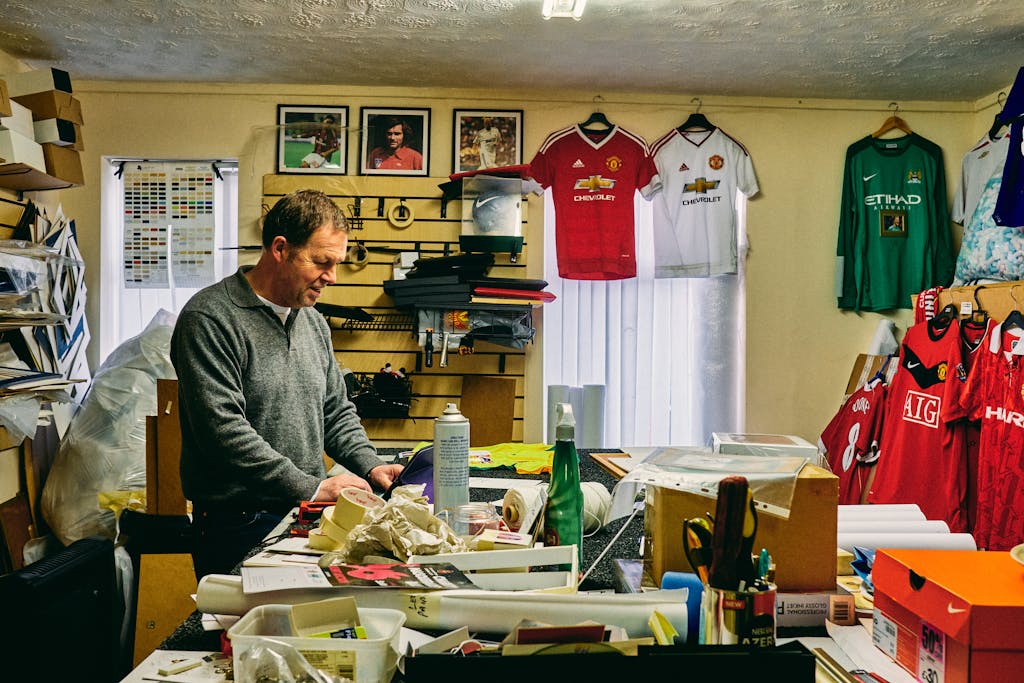
Clutter can make any room feel chaotic and smaller. Too many items, whether they’re decorative pieces or everyday objects, create visual noise and draw attention away from the room’s design. To combat this, declutter the space and store away unnecessary items.
Use functional decor that doubles as storage, such as baskets, ottomans with hidden compartments, and stylish storage cabinets. A decluttered room feels larger and more serene, with an increased sense of openness and calm.
Decorating with Oversized Furniture
Furniture plays a crucial role in the overall feel of a room. If the furniture is too large for the space, it can make the entire room feel cramped and disorganized. Opt for furniture that is appropriately scaled to the room, with a slimmer profile and lower backs. Pieces like chairs with thin arms and low glass tables create a sense of openness.
Furniture with raised legs also helps to create the illusion of more floor space, making the room feel airier. Try to choose pieces that offer storage without being too bulky; this helps keep the room feeling organized and spacious.
Conclusion
Creating a spacious feeling in a room doesn’t require major renovations. Simple adjustments, like choosing the right rug, pulling furniture away from the walls, and selecting the right colors, can significantly change the room’s feel. By avoiding these common decorating mistakes, you can transform even the smallest spaces into open, airy, and inviting environments.