In the animal kingdom, survival often hinges on the ability to communicate. While predators pose a constant danger, many species face an equally perilous risk: being mistaken for a threat. Whether it’s an interaction within their own species or with a completely different one, miscommunication can lead to conflict, injury, or even death. Over time, animals have evolved subtle, intricate signals to prevent such misunderstandings, using body language, sounds, and other nonverbal cues to convey calm intentions.
Interestingly, many of these behaviors bear a striking resemblance to human gestures of respect, affection, and social bonding. From the bowing movements of a bird to the vibrant color changes of reptiles, these remarkable animal behaviors not only ensure peaceful interactions but also strengthen social bonds. Whether it’s a ritualistic display or a cooperative gesture, these subtle signals are a fascinating reminder of the complexity of animal communication. Let’s explore some of the most unexpected and captivating ways animals express peaceful intent and connection.
Bowing
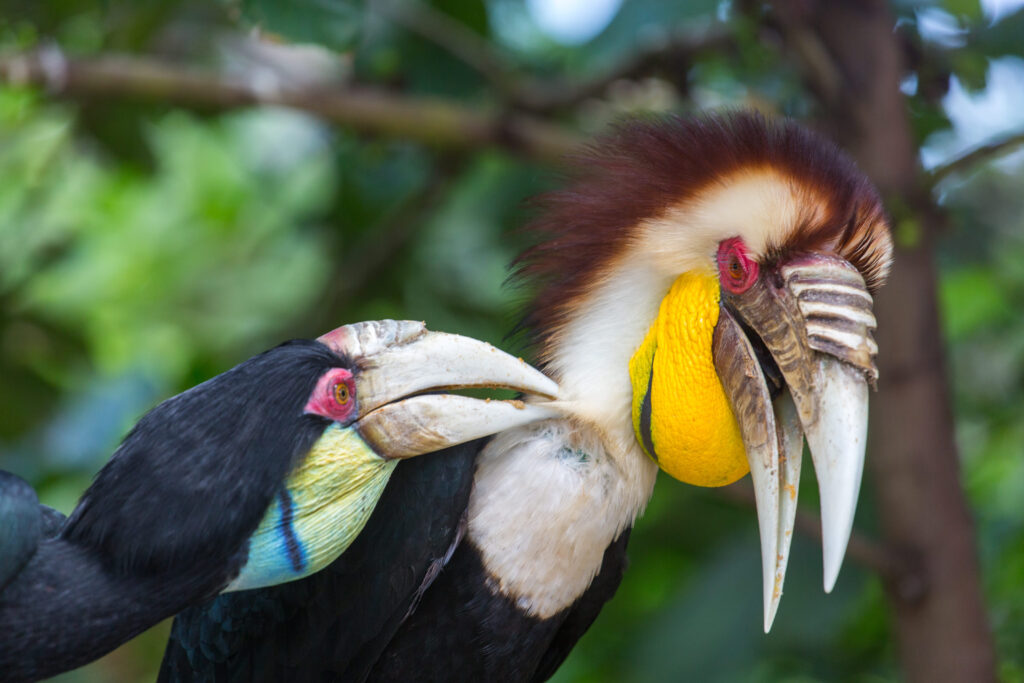
In the wild, some birds have developed an unusual and striking behavior to communicate their intentions. One such bird is the shoebill, a large and imposing species that can appear quite intimidating due to its prehistoric features. Despite this, shoebills often lower their heads in a slow, deliberate bow that resembles a human gesture of respect. This bow isn’t just for show; it plays an essential role in their social interactions, used in courtship, territorial displays, and to signal peaceful intentions within their environment.
This behavior, although striking, isn’t limited to birds just trying to be polite. The bowing of a shoebill is part of a broader display that may also involve head-shaking and bill-clattering, producing a distinct clicking sound. Interestingly, when humans mimic these behaviors, bowing slightly or making similar noises, it can sometimes prompt a response from the birds. This suggests that these birds are not only communicating with each other but also with humans, recognizing the intent behind these gestures and responding accordingly.
Regurgitation
Affection among birds can look a little different from what humans may expect, especially when it involves regurgitation. For many smaller birds, such as parrots and cockatiels, this may seem off-putting to human eyes, but it is an important bonding behavior within their species. Regurgitating partially digested food is not only a feeding mechanism for chicks but also a method of strengthening pair bonds between mated birds. In fact, this behavior is common among highly social species, fostering trust and reinforcing connections between partners.
While this behavior is vital in the wild, it can occasionally be misdirected toward humans, leading the bird to see them as a mate or companion. Although generally harmless, this behavior can sometimes lead to confusion about social boundaries, and repeated occurrences may signal the need to re-establish role definitions. Nevertheless, regurgitation remains a fascinating example of how animals use food-sharing to communicate trust and form bonds within their social groups.
Gift-Giving
Holger Wulschlaeger via Pexels.
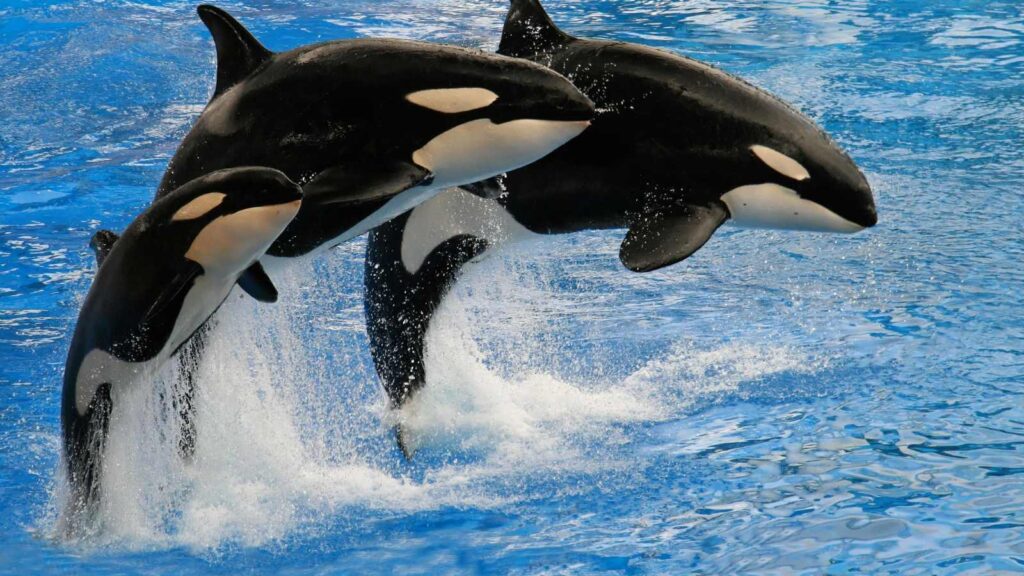
Among the most surprising gestures of kindness in the wild is gift-giving, and orcas are perfect examples of this behavior. In the wild, these magnificent marine mammals have been observed presenting gifts of prey ,such as fish or birds, to humans. While this may seem like an act of generosity, researchers believe that it may be more rooted in their social instincts, an extension of their practice of sharing food within pods. These interactions, however, are not just random; they are deeply connected to the orcas’ social structures and their need to bond with others, whether in their group or even with humans.
The orca’s gift-giving extends beyond just a one-time offering. After presenting the prey, these intelligent creatures have been seen lingering nearby, as if waiting for a response. This behavior suggests a level of curiosity and perhaps even an acknowledgment of the social interaction with humans, hinting that these creatures might perceive us as participants in their social framework. While the exact motivations remain debated, these moments highlight the intricate, highly social nature of these apex predators.
Dancing Fish
In the world of marine life, the bluestreak cleaner wrasse has developed a unique way to communicate peaceful intent. These small reef fish perform a remarkable “dance” to attract larger fish, advertising their role as cleaners. The wrasse’s delicate movements signal to potential clients, such as bigger fish, that they are there to help remove parasites from their bodies, an act that benefits both parties. This mutualistic relationship is a prime example of cooperation in nature, in which both species benefit from the interaction.
This “dance” is not just a simple display, but an essential signal to larger fish that they are not a threat. The cleaner wrasse uses this to gain a reliable food source, while the larger fish receive a vital cleaning service. Even more interesting is how the wrasse adapts its behavior based on reputation: if they cheat by biting healthy tissue instead of parasites, the larger fish may avoid them in the future. This behavior indicates a surprisingly advanced level of social awareness and reputation management in this small, often overlooked species.
Hugging
Manatees, with their gentle demeanor and slow, steady movements, often appear curious and tolerant of human interaction. In rare, close encounters, these marine mammals have been seen wrapping their flippers around divers or swimmers, as if in a hug. While this gesture seems incredibly affectionate, it is more likely an example of the manatee’s use of physical touch to explore and communicate with its environment. This behavior reflects their natural curiosity and need for tactile information in a world where sight is less reliable.
Despite their calm demeanor, manatees’ actions should not be mistaken for human affection. Rather, these gestures are part of their social behavior and an attempt to understand their surroundings. However, these interactions with humans are heavily regulated, as conservationists warn that such close contact can expose manatees to risks, such as boat strikes, which are one of their greatest threats. The need for physical touch, though not affection in the human sense, is an essential form of communication for these fascinating creatures.
Kissing
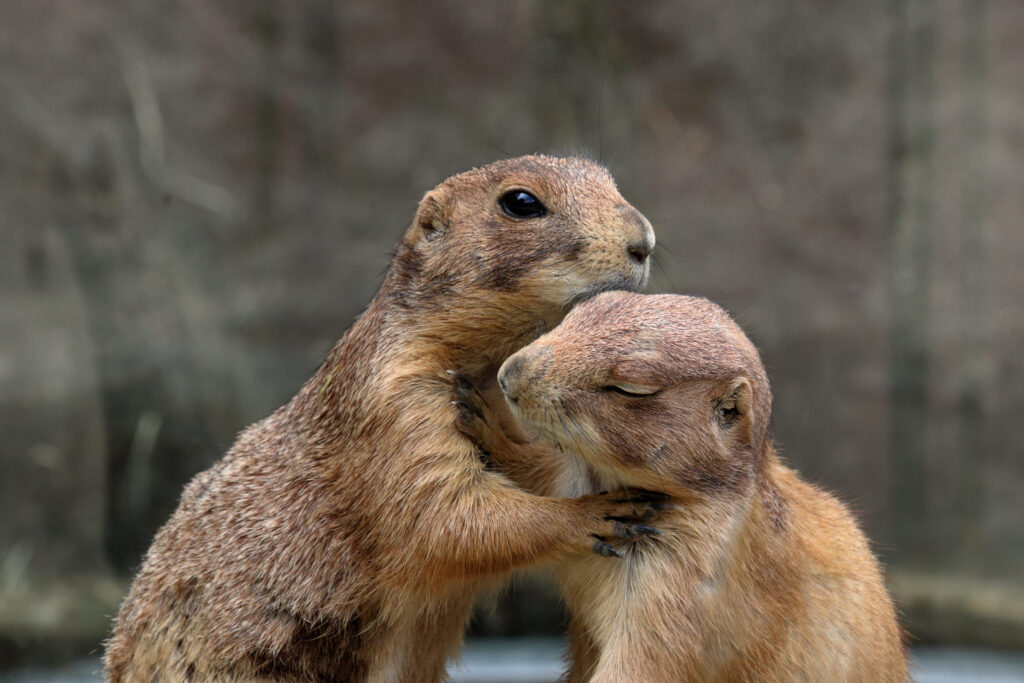
Another unexpected way animals show affection, or perhaps recognition, is through a behavior known as “kissing,” as seen in prairie dogs. These small rodents, often living in large colonies, engage in mouth-to-mouth interactions that appear strikingly similar to a human kiss. This behavior serves a crucial social function within prairie dog colonies, helping individuals identify one another and determine if they belong to the same group. Given that prairie dog colonies can include hundreds of members, this form of social recognition is vital for maintaining group cohesion and avoiding territorial disputes.
However, these “kisses” are not purely affectionate; they also serve as a method of communication within the group. If a prairie dog does not recognize the other, the interaction may quickly escalate into a territorial dispute, highlighting the delicate balance between peace and aggression in social structures. This fascinating behavior showcases how simple physical gestures can play a significant role in maintaining order and harmony within complex social groups.
Nose Rubbing
Koalas, those adorable marsupials, have an affectionate yet practical way of greeting each other. While the iconic “Eskimo kiss” is commonly associated with humans, koalas engage in a similar behavior, rubbing their noses together during low-stress social interactions. Unlike human expressions of affection, this behavior is more about scent-based communication. By getting close and touching noses, koalas gather information about each other’s identity, health, and reproductive status, using their keen sense of smell to interpret the environment.
This behavior is not just about greeting but also serves as a form of social bonding. In the koala world, scent plays an integral role in identifying familiar individuals and understanding their place within the social hierarchy. While this may seem like a simple gesture, it’s part of a complex communication system that koalas use to navigate their social interactions and maintain connections within their populations.
Chuffing
Big cats, such as tigers, leopards, and jaguars, are often seen as fierce and dangerous, but they also possess a softer, more welcoming form of communication. This behavior, known as “chuffing” or “prusten,” is a soft, breathy exhale made through the nose. Unlike the aggressive growls or roars that signal dominance or anger, chuffing indicates relaxation and friendliness, particularly when directed toward familiar individuals. In the wild and in captivity, this greeting can also be directed toward human caretakers, signaling that they are not a threat.
Chuffing plays a vital role in the social behavior of tigers and other big cats, especially in courtship and during interactions with cubs. Mothers often use this sound to comfort and calm their young, helping them feel safe and secure. As a non-threatening form of communication, chuffing helps establish trust and reduce tension, even in a species known for its potential danger.
Popcorning
For some small mammals, like guinea pigs and chinchillas, one of the clearest signs of happiness is a behavior known as “popcorning.” This energetic display involves sudden jumps, twists, and rapid directional changes that look like popcorn kernels bursting in a pan. While the movements may appear erratic, they are actually a clear indication of excitement, joy, or contentment. It’s most commonly seen in younger animals, though adults may still engage in popcorning if the environment is stimulating or positive.
Popcorning is often accompanied by soft vocalizations, such as squeaks or chirps, which reinforce the association with positive emotional states. This behavior is not limited to guinea pigs and chinchillas but can also be observed in other small mammals, including rabbits. It’s a charming reminder that even in the smallest creatures, joy and excitement are expressed through playful, exuberant movements.
Changing Color
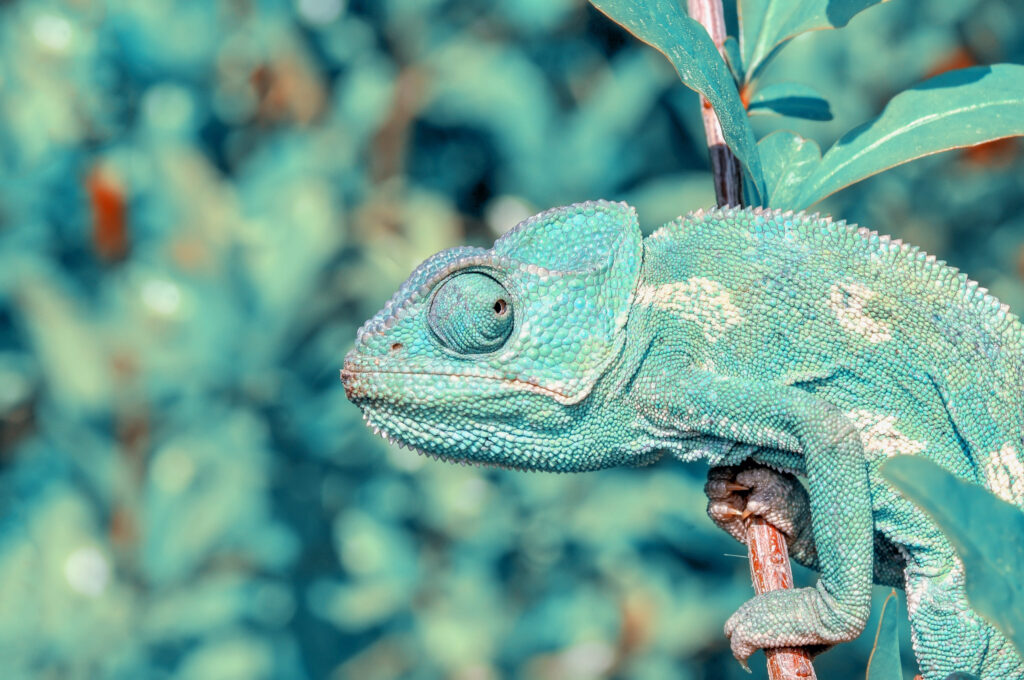
Perhaps the most visually stunning form of animal communication is chameleons’ color-changing ability. While many people associate color change with camouflage, it serves far more purposes in these fascinating reptiles. Chameleons use specialized skin cells called chromatophores to adjust their color, which can reflect their mood, social status, or even their readiness to mate. More vibrant colors, such as reds, yellows, and blues, often signal aggression, dominance, or mating intent, while calmer colors, such as greens and browns, indicate relaxation.
Chameleons’ color changes are not just a means of communication but also a way to regulate body temperature. By changing the amount of light they absorb, chameleons can manage their internal heat, demonstrating a clever adaptation to their environment. This dynamic visual language allows them to interact with their surroundings and other chameleons, signaling everything from aggression to relaxation, and even offering insight into their mood and health.